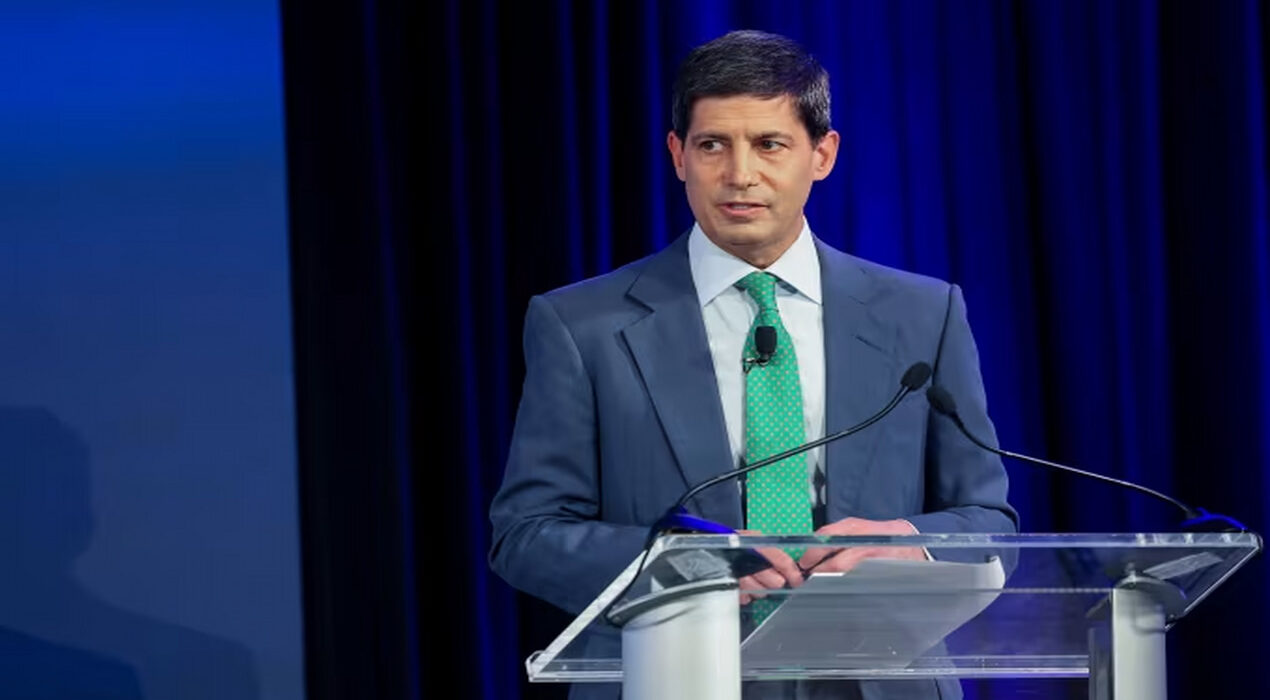
Fed Chair Succession Crisis Deepens as Warsh Faces Senate Roadblocks
The Fed succession crisis is becoming more complex with each passing day. The process to appoint Kevin Warsh has stalled in Washington. As a result, uncertainty now surrounds the future of the Federal Reserve leadership. President Donald Trump announced Warsh’s nomination on January 30. However, the Senate has not yet confirmed him. This delay creates tension as the deadline approaches.
Senate Approval Faces Political Hurdles
Warsh must first pass the Senate Banking Committee. That hearing is now set for April 21. After that, the full Senate must vote.
However, Republican Senator Thom Tillis is holding back support. He wants the Justice Department to drop its investigation into Jerome Powell. Therefore, this demand has slowed the process. In addition, prosecutors are not backing down. This ongoing standoff keeps Warsh’s nomination stuck. As a result, time is quickly running out.
What Happens If There’s No Decision?
Powell’s term ends on May 15. If no replacement is confirmed, Powell plans to stay temporarily. He has said he will remain until the investigation ends clearly. Usually, the current chair takes the interim role. However, Trump strongly disagrees with this approach. He has even threatened to remove Powell if he stays. Such a move could lead to legal action. For example, Powell may challenge the decision in court. This could trigger another high-profile legal battle.
A Rare and Complicated Situation
This situation is unlike previous transitions. Past Fed chairs moved through the process smoothly. For instance, leaders like Janet Yellen and Ben Bernanke faced fewer hurdles.
In contrast, the current scenario mixes politics, legal issues, and timing challenges. Therefore, experts see this as one of the most complex transitions in Fed history. The coming weeks will be crucial. A clear decision could stabilize markets. However, further delays may increase uncertainty and tension.