Pakistan Economic Indicators Improve Faster Than Expected, Says SBP Governor
Pakistan economic indicators improve faster than expected, according to the State Bank of Pakistan (SBP). Governor Jameel Ahmad shared this update during global financial meetings. He highlighted strong progress early in the fiscal year. Moreover, he met leaders from top financial institutions and credit agencies. These meetings took place during the IMF World Bank Spring Meetings. As a result, Pakistan’s economic outlook gained global attention.
Strong Progress Before New Risks
Ahmad explained that the economy had already stabilized before recent global tensions. However, the Middle East conflict has created fresh uncertainty. Even so, Pakistan now stands in a better position than before.
In addition, smart policy decisions helped control inflation. A balanced fiscal and monetary approach supported stability. Therefore, key indicators showed steady improvement.
Growth, Inflation, and Reserves Improve
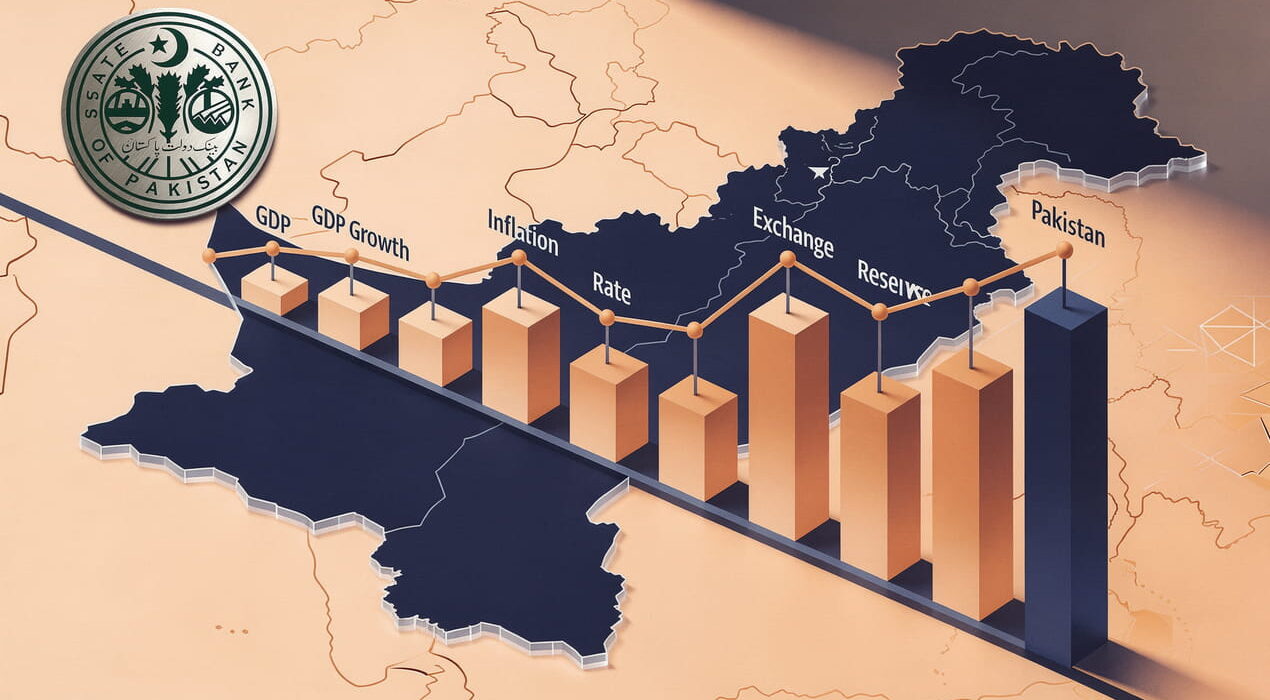
During the first nine months, inflation averaged 5.7%. This level stayed within the target range. Meanwhile, the current account remained in surplus. Foreign exchange reserves also increased to $16.4 billion. This rise came mainly from SBP market purchases. Furthermore, reserves may reach $18 billion by June 2026. Economic growth also picked up pace. GDP grew by 3.8% in the first half of FY26. In comparison, growth was only 1.8% last year. As a result, recovery appears broad based and steady.
Policy Support and Future Outlook
The government maintained a cautious policy stance. For example, interest rates remained positive to control inflation. At the same time, fiscal discipline continued through primary surpluses. However, rising global energy prices pose challenges. Freight and insurance costs have also increased. Despite this, authorities remain committed to stability. Ahmad confirmed continued support from the IMF program. Credit rating agencies also reaffirmed Pakistan’s progress. Therefore, global confidence in reforms remains strong. In addition, remittances showed strong growth through Roshan Digital Accounts. These inflows crossed $12.4 billion. New policy changes now aim to attract more foreign investment.