Ancient “Syphilis Like” Disease in Vietnam Challenges Scientific Assumptions
New research led by Charles Sturt University is questioning a long-standing assumption about ancient infections. Scientists studying prehistoric remains in Vietnam found that congenital disease does not always indicate Syphilis. Instead, the findings suggest multiple related diseases may have caused similar symptoms thousands of years ago.
Evidence from prehistoric skeletons
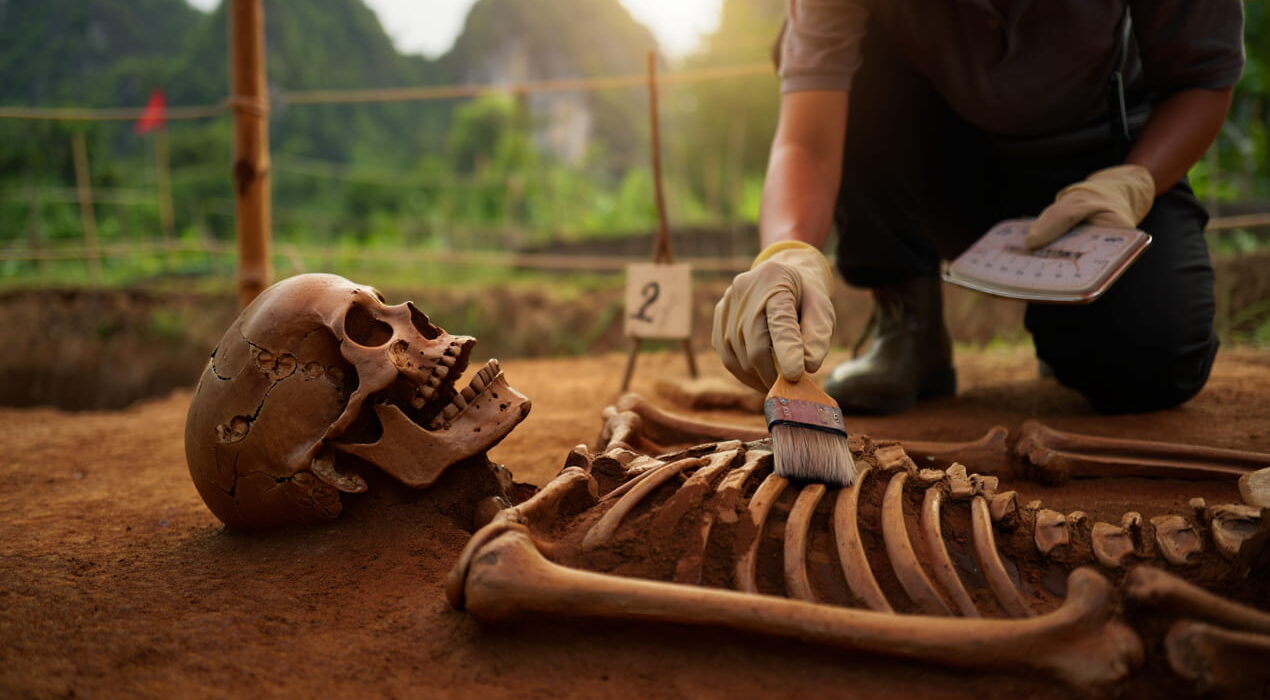
Researchers examined remains from northern and southern Vietnam dating back roughly 4,000 to 3,200 years. They identified congenital infection in a small number of children. These cases were linked to treponemal diseases, a group that includes syphilis, yaws, and endemic syphilis.
Not all cases point to syphilis
For decades, congenital infection in skeletal remains was seen as strong evidence of venereal syphilis. However, this study challenges that idea.
The data suggests that non-sexually transmitted diseases such as Yaws may also have been passed from mother to child. As a result, earlier conclusions about ancient syphilis may need revision.
The broader analysis showed infections were more common among children and adolescents. This pattern aligns with non-venereal diseases spread through skin contact rather than sexual transmission.
Therefore, researchers believe the disease observed was likely not syphilis in its venereal form.
Implications for medical history
The findings could reshape the debate about the origins of syphilis. Scientists have often used congenital cases to determine whether the disease existed before global exploration periods.
Now, it appears that congenital evidence alone is not enough to confirm this.
Studying ancient pathogens remains difficult. DNA preservation is poor in tropical climates, limiting genetic analysis.In addition, ethical concerns restrict destructive testing of human remains. Therefore, scientists must rely on skeletal evidence and context.
A more complex picture of disease evolution
The study highlights that treponemal diseases have a complex and evolving history. Researchers now aim to better understand how these diseases developed over time.Overall, the discovery shows that ancient disease patterns are more complicated than previously believed. It also underscores the need to rethink how scientists interpret evidence from the past.