Critical Reasoning Focus: Experts Stress Importance in Modern Education Systems
Experts highlight the growing need for a critical reasoning focus in modern education systems. They believe students learn better when they think deeply. This approach helps learners question ideas and solve problems. It also builds confidence in decision-making. Schools across the world now encourage this skill more than ever. Therefore, education is shifting from memorizing facts to active thinking. Students gain more control over their learning journey. As a result, they become independent and thoughtful learners.
Stronger Thinking in Classrooms
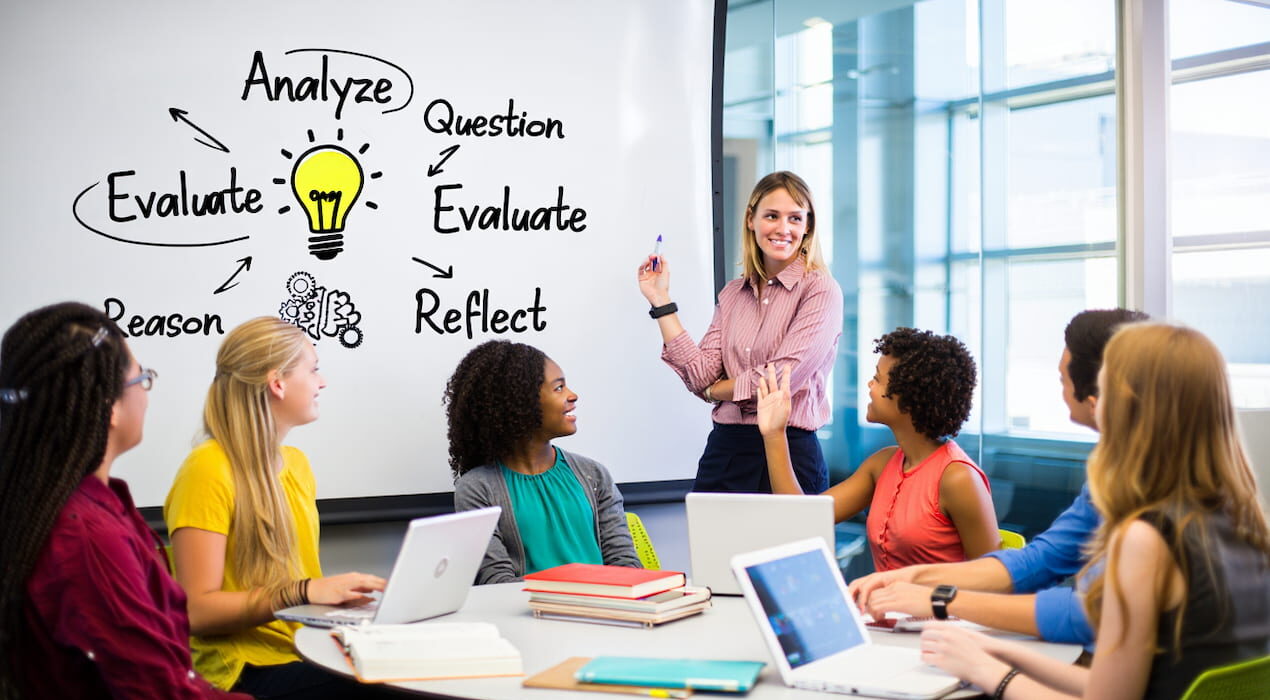
A critical reasoning focus helps students understand information instead of memorizing it. Teachers encourage learners to ask why and how during lessons. For example, students analyze problems rather than copy answers. This method improves curiosity and classroom engagement. Moreover, it prepares students for real-world challenges. Life requires fast thinking and clear judgment. Therefore, schools aim to build these abilities early. In addition, students learn to evaluate information from different sources. This reduces confusion in a digital world. However, many systems still rely on traditional memorization methods. Experts suggest a shift toward active learning strategies.
Practical Learning in Schools
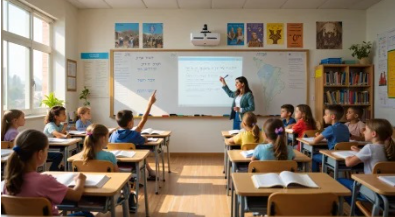
Schools can support a critical reasoning focus by changing classroom practices. Teachers use discussions instead of long lectures. They also assign problem-solving tasks that require teamwork. In addition, open-ended questions help students think more deeply. For example, case studies allow learners to explore real situations. This method makes lessons practical and engaging. Therefore, students stay more interested in learning. Technology also supports modern classrooms. Digital tools offer interactive ways to explore topics. However, teachers must guide students to use these tools wisely. As a result, learners build knowledge and judgment skills. Overall, this approach creates stronger and more capable students for the future.
Education improves when teachers and students work together. They build thinking skills that support lifelong learning and real-world problem solving every day in classrooms worldwide.