Why Japan’s Outbound Travel Stalls While Inbound Tourism Soars
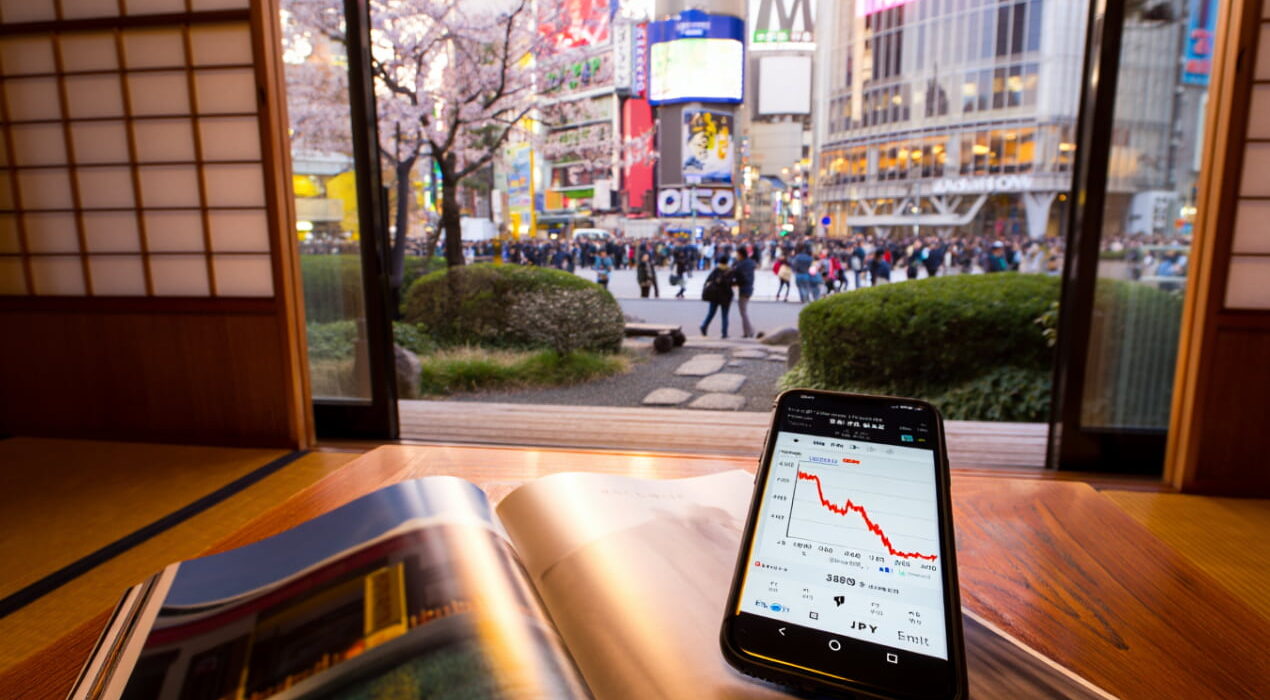
Japan faces a strange travel paradox. Outbound travel remains stuck at 70% of pre-pandemic levels. However, inbound tourism is breaking records. Japanese travelers once dominated global tourism. Now, they are staying home. Therefore, the “Great Staycation” has begun.
The Weak Yen Makes the World Expensive
The primary culprit is the weak Japanese yen. For travelers earning yen, the world will cost 30% to 50% more than in 2019. Consequently, international trips become luxury items. A week in Guam now costs as much as three weeks of luxury travel within Japan. The “Hawaii Dream” is fading for many families. Therefore, the average salaryman looks closer to home.
The Rise of the Inward-Looking Trend
Sociologists note a growing “Uchimuki” (inward-looking) trend among Japanese youth. Gen Z and millennials find satisfaction within their own borders. Unlike previous generations, they do not prioritize study abroad or backpacking. Japan’s domestic tourism infrastructure is among the best in the world. From Hokkaido’s snowy peaks to Okinawa’s subtropical islands, staycations are now the national pastime. Consequently, rural towns see a surge in domestic visitors.
High Ticket Prices and Caution Fatigue
The cost of aviation fuel and reduced flight frequencies keep ticket prices high. Many direct routes from regional airports were suspended during the pandemic. Re-establishing them takes time and passenger volume. Japan’s cautious approach to health and safety also lasted longer. This “caution fatigue” pushes travelers toward the perceived safety of domestic travel. Therefore, international borders seem unpredictable.
The Inbound Paradox
While Japanese citizens hesitate to spend yen abroad, the world rushes in. A weak currency makes Japan attractive to international tourists. Consequently, hotels in Tokyo and Kyoto reach 90% occupancy. For domestic travelers, this means competition with high-spending foreigners. Even domestic travel is becoming more expensive and crowded. Therefore, the lopsided tourism economy deepens.
What This Means for Global Destinations
Markets like Hawaii, Guam, and Taiwan feel the absence. They historically relied heavily on Japanese foot traffic. Some destinations now experiment with “yen-friendly” packages. The Japanese traveler is known for being respectful, high-spending, and loyal. Luring them back requires price sensitivity. Therefore, ultra-luxury niches may be the answer.
A Domestic Renaissance
There is a bright spot in this 70% statistic. Rural Japan is seeing a revitalization. Money that once flowed to Paris or New York now supports local artisans and family-owned inns. Traditional crafts and landscapes are being preserved. Consequently, the “Great Staycation” is a massive reinvestment in Japan’s own cultural heritage.
When Will the Tide Turn?
Economists predict outbound travel won’t fully recover until the yen stabilizes. Japanese wages also need a significant increase. Until then, the Japanese traveler remains a sleeping giant.
They still dream of the Eiffel Tower and Grand Canyon. For now, they find beauty in their own backyard. Therefore, Japan continues to be a world-class host while its people stay home.