FlySafair Cuts Fuel Surcharge for Second Week
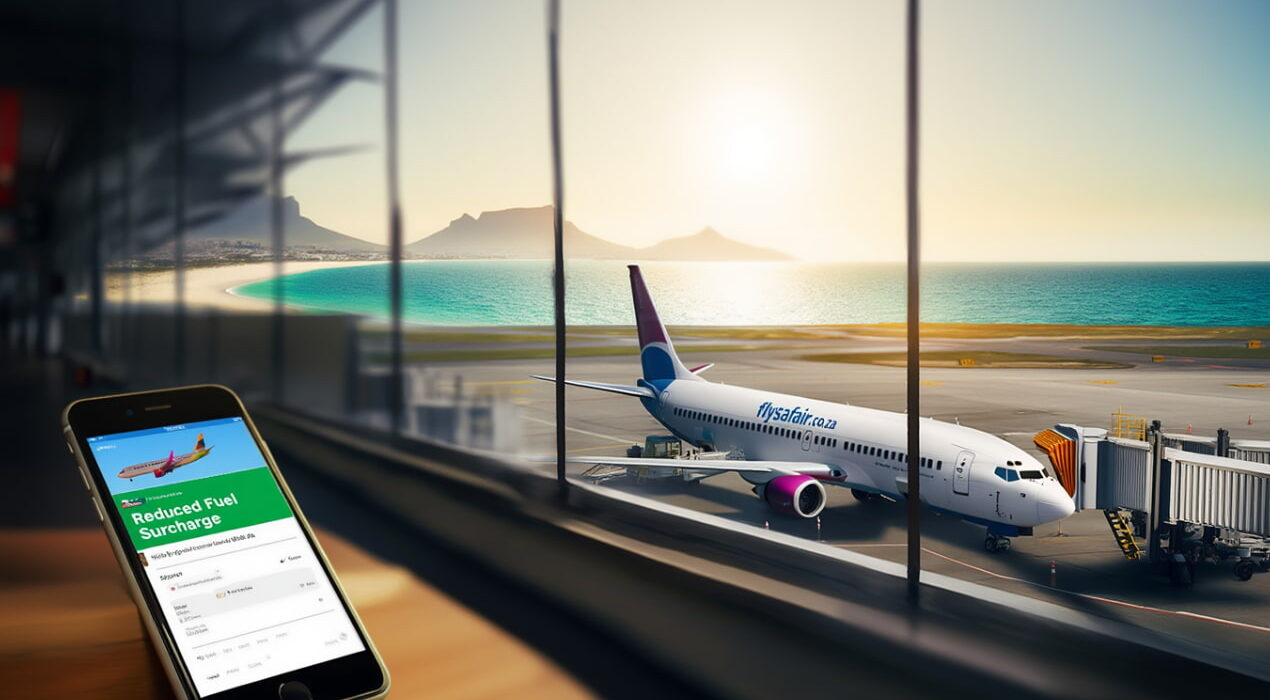
FlySafair has cut its fuel surcharge again. This is the second reduction in successive weeks. Therefore, travel costs go down for passengers. The South African low-cost airline adjusts pricing dynamically. The surcharge moves with actual Jet A1 fuel prices. Consequently, rising fuel costs are passed on fairly.
Why the Surcharge Is Dynamic
The surcharge is adjusted every seven days. The goal is not to generate revenue. Instead, it ensures fuel costs are passed on transparently. Kirby Gordon is Chief Marketing Officer at FlySafair. He says the surcharge moves directly with actual fuel costs. Therefore, customers benefit when fuel prices drop.
Impact on South African Tourism
Reduced fuel surcharges have positive implications for tourism. Lower airfares encourage greater travel demand. This is especially important for international tourists. South Africa has been struggling to recover from the pandemic. High travel costs deter visitors. Consequently, a fair surcharge helps stabilize the industry.
Transparency in Pricing
FlySafair’s transparent approach builds trust. Travelers can better understand how global events impact costs. Tourism businesses can also forecast expenses more accurately. Tour operators and travel agencies benefit too. Consistent adjustments allow better pricing strategies for packages. Therefore, savings can be passed on to customers.
What Passengers Should Know
Existing bookings are not affected. No retrospective charges apply to previous tickets. For those changing a booking, the surcharge applies only if the new travel date falls within the current surcharge period.
The surcharge applies to all new bookings until 21 August 2026. Passengers can plan their travels around weekly fuel price changes. Consequently, they can track how adjustments affect their costs.
A Long-Term Strategy for Tourism
Although the surcharge is a temporary measure, it plays a bigger role. It ensures FlySafair does not face unexpected ticket price rises. Therefore, the tourism industry remains stable for both domestic and international investors. In conclusion, lower fuel surcharges lead to cheaper airfares. This benefits both FlySafair passengers and the wider tourism industry. South Africa can now look forward to an upsurge in tourism activity.