Islamabad HIV Data Gap Raises Concern Over Rising Cases
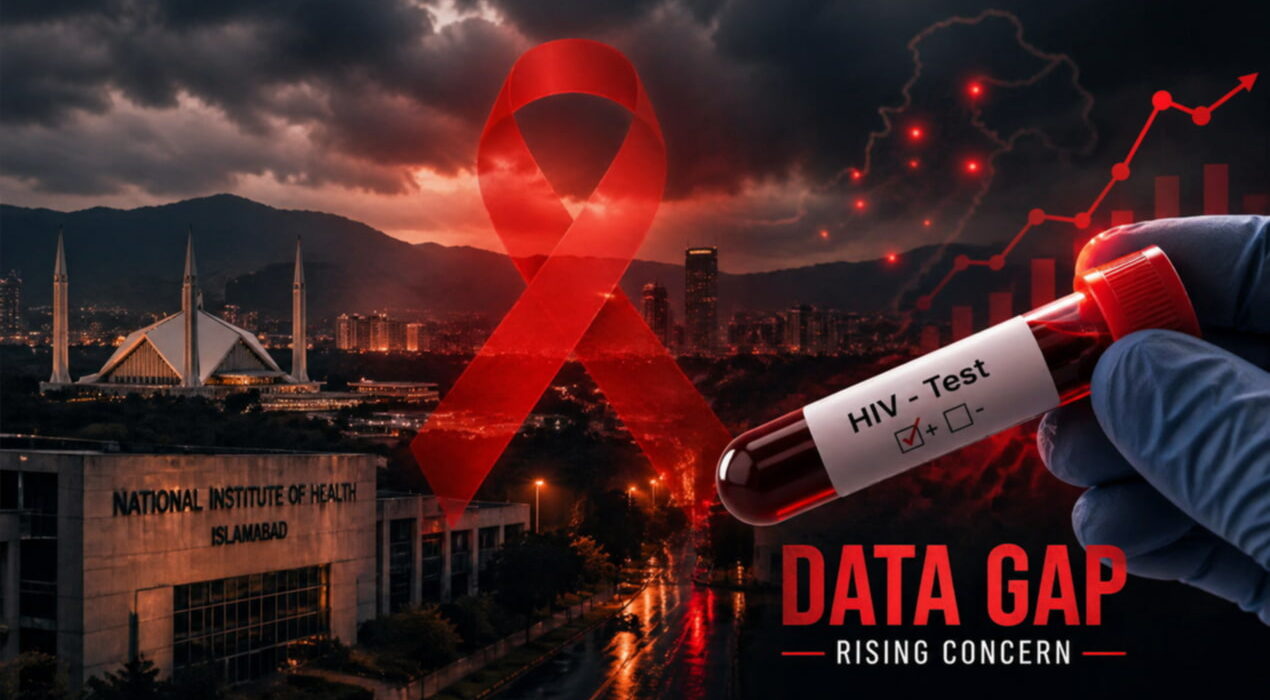
Islamabad is facing a rise in HIV cases, and officials now demand urgent action. The Islamabad HIV data gap is slowing response efforts. Therefore, health authorities want better coordination and faster data sharing.
The District Health Office and the National Institute of Health have contacted the Common Management Unit. They asked for detailed patient data and technical support. However, limited access to real-time data is weakening surveillance and planning.
Recent figures show 618 HIV cases in the past 15 months. On average, 41 new cases appear each month. As a result, experts stress the need for targeted and data-driven strategies.
Need for Accurate Data
Officials say accurate data helps track transmission patterns and high-risk groups. Without it, responses may miss key outbreak drivers. In addition, poor data sharing limits national-level analysis.
The National Institute of Health also raised concerns. It lacks timely and complete data from various programmes. Therefore, it struggles to guide policy and identify infection trends.
Strengthening Prevention Efforts
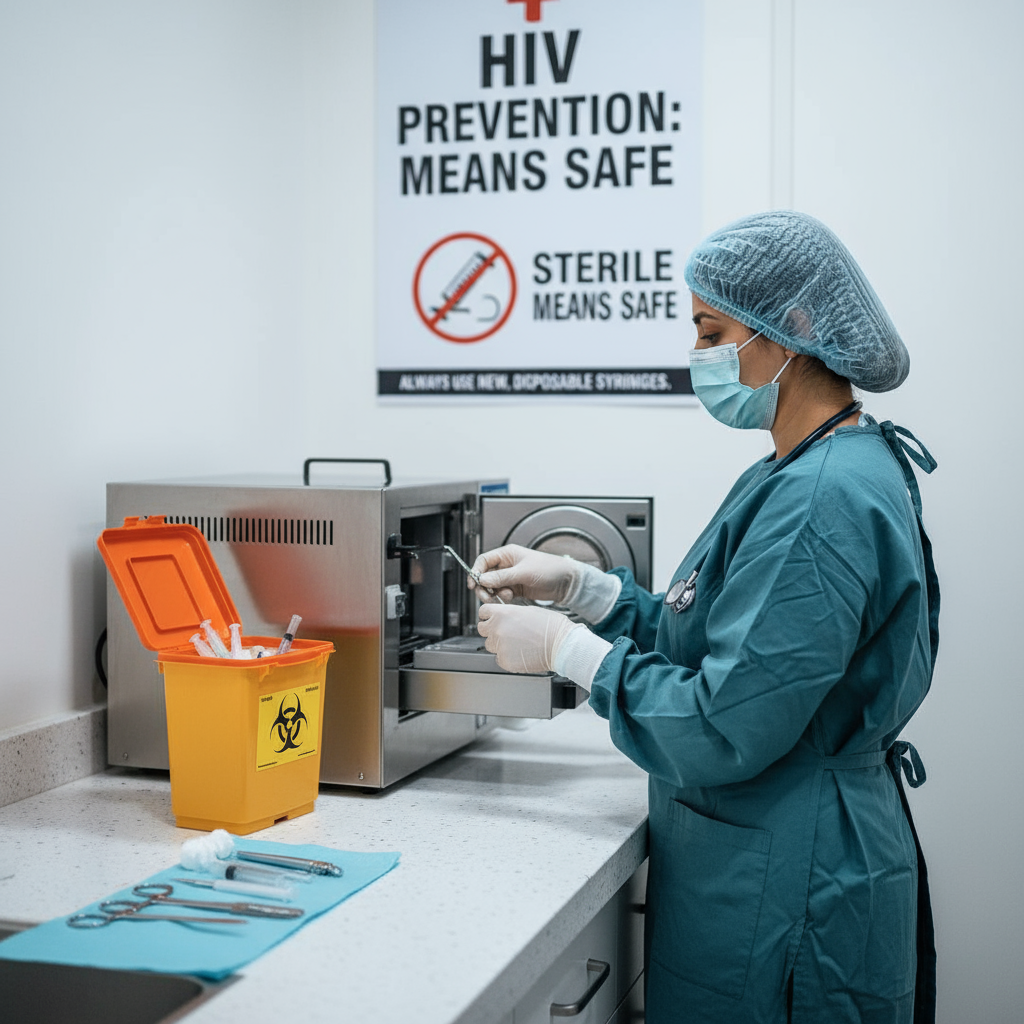
Health authorities have directed hospitals to improve infection control. For example, they must use single-use syringes and sterilise equipment properly. They must also screen blood and report cases quickly.
Authorities asked major hospitals to share anonymised, area-based data. This step will help identify hotspots. Moreover, it will support better planning and intervention.
Call for Coordinated Action
Experts warn that unsafe practices still drive HIV spread. These include reused syringes and weak screening systems. Therefore, strong surveillance and coordination remain essential.
Officials believe real-time data can improve response efforts. Without it, both national and district systems face limits. As one expert noted, controlling HIV requires clear visibility and shared responsibility.