Pakistan Skills Gap Widens as Graduates Struggle to Find Jobs
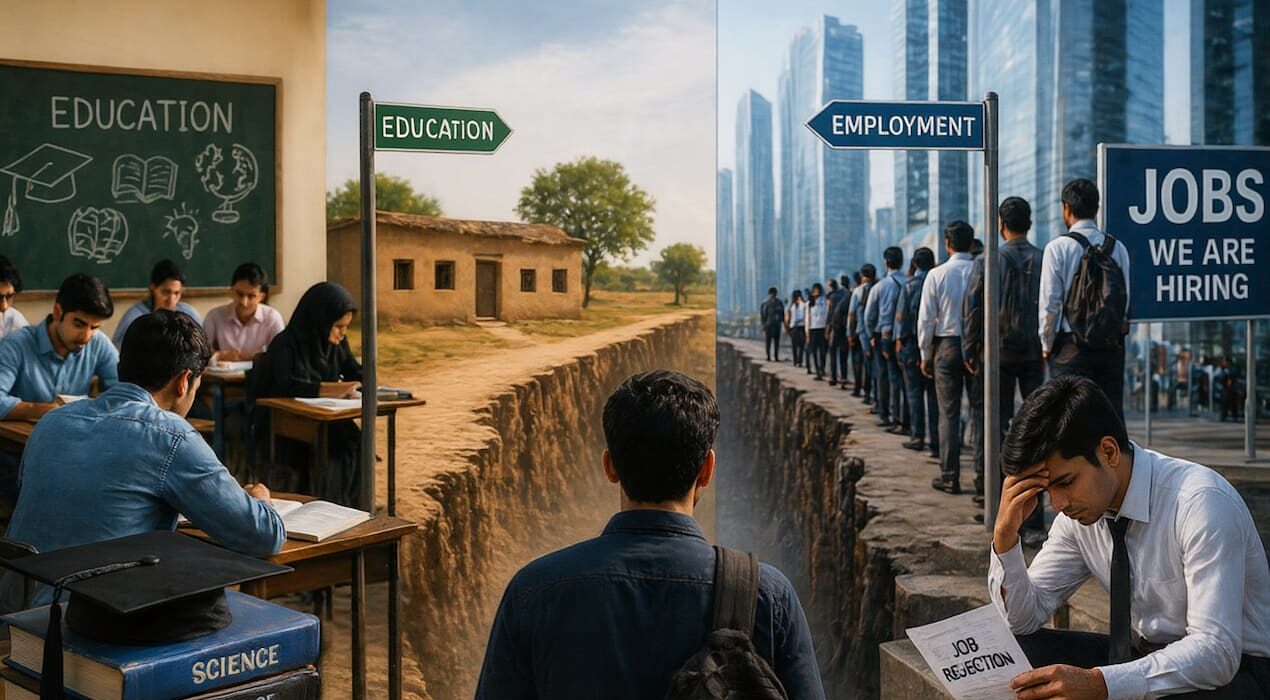
Pakistan faces a rising Pakistan skills gap as education fails to match job market needs. More students now graduate each year. However, many struggle to find suitable employment after completing their studies.
Growing Disconnect Between Education and Jobs
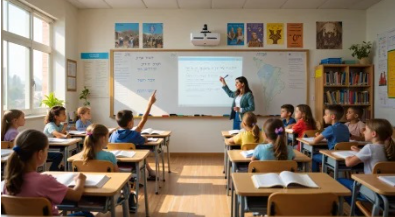
Experts say universities often focus on theory instead of practical skills. As a result, graduates lack hands-on experience required by employers. This gap makes it harder for young people to secure stable jobs.
In addition, industries demand technical and soft skills that many students do not develop. For example, communication, problem-solving, and digital skills remain limited among fresh graduates. Therefore, companies often need to train new hires from scratch.
This mismatch also slows economic growth. When graduates remain unemployed, the workforce loses potential productivity. As a result, both individuals and businesses face long-term challenges.
Rural Areas Face Greater Barriers
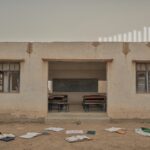
Access to quality education remains uneven across the country. Rural areas continue to struggle with fewer schools and limited resources. In addition, many institutions lack trained teachers and modern facilities.
Students in remote regions often face transport and financial barriers. Therefore, many cannot complete their education or gain useful skills. This situation further widens the gap between urban and rural learners.
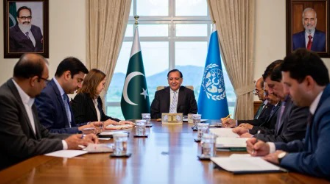
Experts suggest stronger collaboration between industry and education sectors. In addition, practical training programs can prepare students for real-world jobs. For example, internships and vocational courses can improve employability.
Overall, Pakistan must address this gap to build a skilled workforce. Better education and training will help create more job opportunities. As a result, the country can support inclusive and sustainable economic growth.