El Niño 2026 Threat: Heatwaves, Disease Risks, and Global Impact
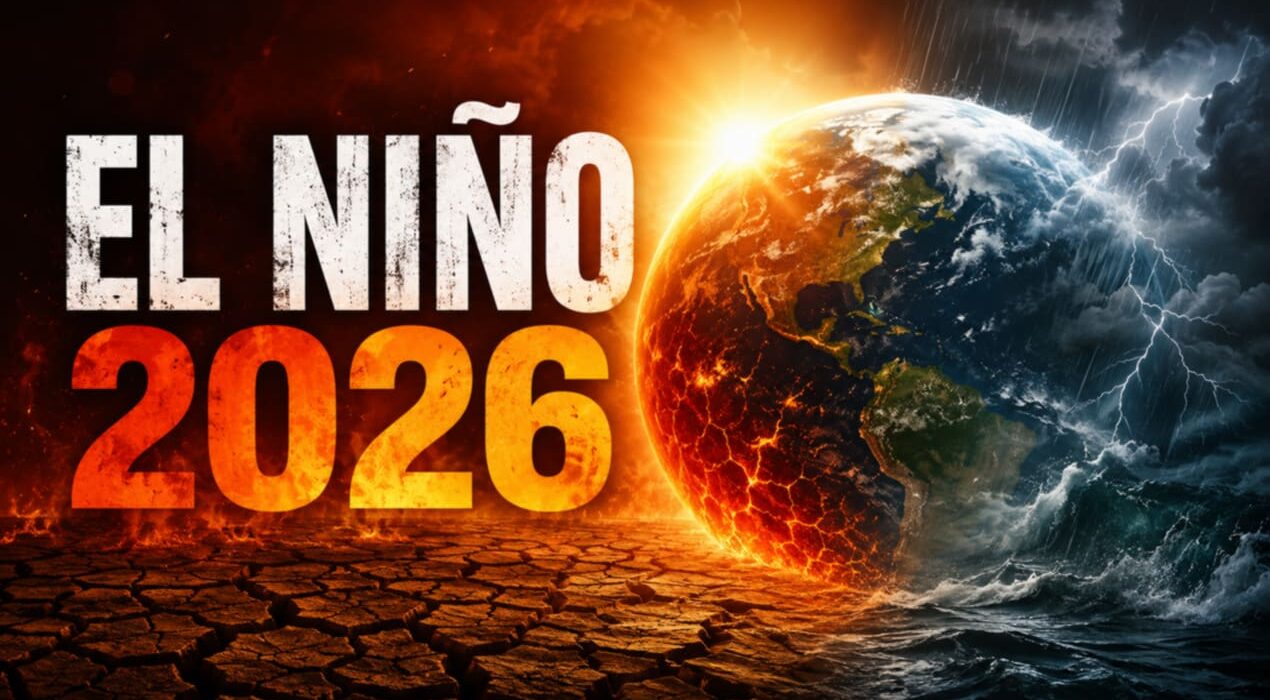
The El Niño 2026 threat is raising global concern as temperatures continue to rise. Scientists warn this climate phase could intensify extreme weather. As a result, communities may face serious health and economic challenges.
Unlike past cycles, this event is unfolding on an already warmer planet. Therefore, even small temperature increases can trigger major impacts. For example, heatwaves may become longer and more dangerous across many regions.
Rising Heat and Health Risks
The El Niño 2026 threat is already linked to stronger heatwaves worldwide. These conditions increase risks of dehydration, heatstroke, and heart problems. In addition, vulnerable groups face greater danger during prolonged heat.
South Asia, including Pakistan, may experience earlier and hotter summers. Cities like Karachi could see rising health emergencies. However, limited resources may make response efforts more difficult. Moreover, heat can strain hospitals and healthcare systems quickly. As a result, medical services may struggle to handle sudden demand. This situation highlights the need for better preparedness.
Economic and Environmental Pressure
The El Niño 2026 threat also affects food, water, and energy systems. Droughts can reduce crop yields and disrupt supply chains. Therefore, food prices may rise and affect daily life. In addition, water shortages may impact both cities and rural areas. Energy demand also increases during heatwaves, putting pressure on power systems. Consequently, outages may become more common.
At the same time, disease patterns are changing due to climate shifts. Warmer conditions can increase the spread of infections like dengue. This creates a growing public health concern. Global cooperation is essential to manage these risks effectively. Early planning and awareness can reduce long-term damage. In conclusion, timely action remains the key to resilience.