Untraceable HIV patients in Pakistan: urgent action needed
A parliamentary committee has called the situation of untraceable HIV patients urgent and sensitive, urging a coordinated national response instead of isolated actions. Lawmakers said rising testing should not be seen as control. They noted screenings grew from 37,000 in 2020 to over 374,000 in 2025.
However they stressed success depends on fewer new infections, not higher numbers alone.
Unsafe Practices Raise Risks
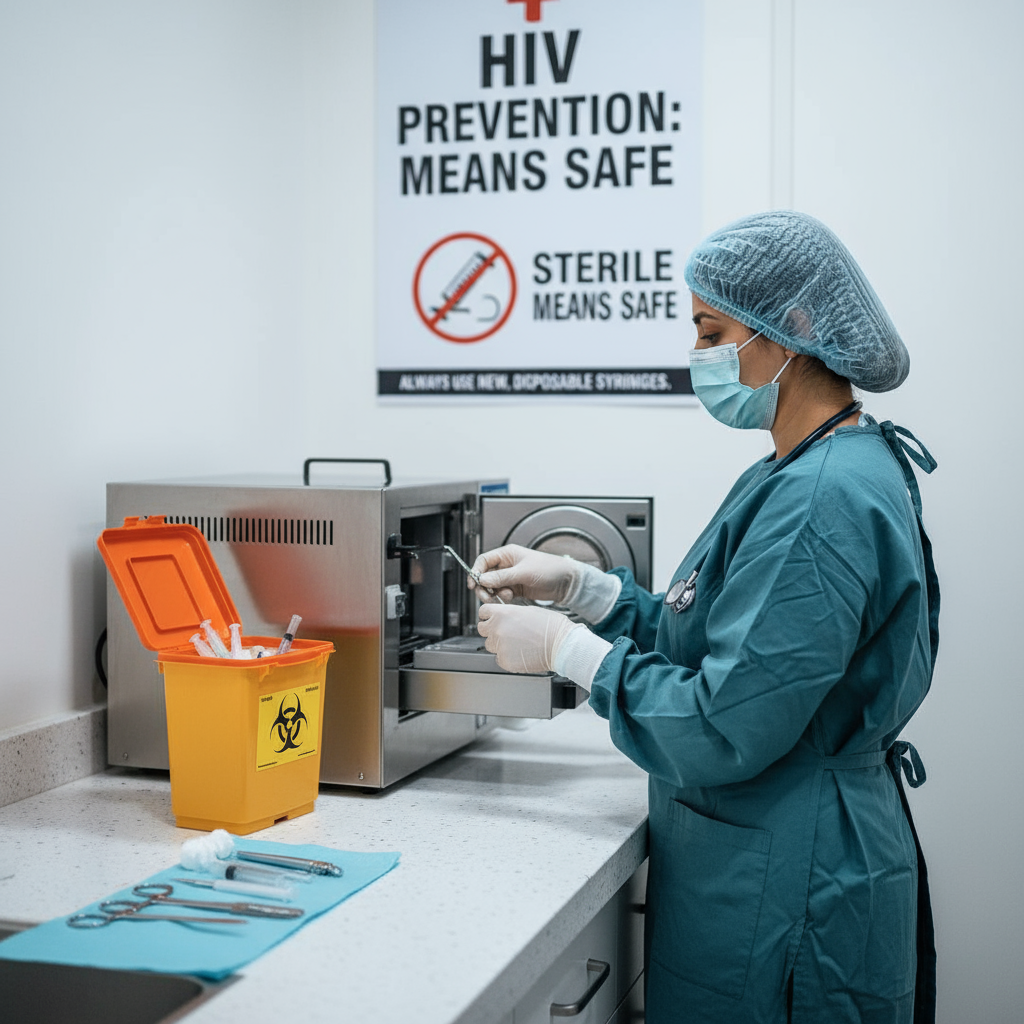
Committee members linked repeated outbreaks in Taunsa, Kot Momin and South Punjab to weak prevention, unsafe medical practices and poor enforcement. During the briefing, officials said the Walika outbreak in Karachi involved 10cc syringes that were not previously banned. Therefore authorities will phase out reusable syringes and tighten regulation. However lawmakers questioned why banned items still appear in markets.
Oversight and Awareness Gaps
Members also highlighted weak blood bank oversight, limited awareness campaigns and ongoing stigma around testing and treatment. In addition, many patients disappear after diagnosis, which disrupts long-term care. This trend increases health risks for communities. They also warned about cross-border risks as deported individuals may return without proper screening.
Urgent National Action Needed
Officials said a new system will link travel data to track and screen returning individuals. Meanwhile the government is preparing a comprehensive plan to address gaps in HIV control. However the committee demanded immediate action, including auto-disable syringes, stricter enforcement and nationwide awareness efforts.
They urged a clear timeline to reduce infections and improve patient follow-up. Experts say coordinated policies can strengthen healthcare systems and rebuild trust among patients. For example, community outreach can encourage testing and support continued treatment.
Moreover digital tracking tools can help monitor cases and reduce loss to follow-up. As a result, consistent efforts may improve outcomes and limit further spread of HIV. Inclusive education campaigns can reduce stigma and help people seek care without fear. Strong collaboration between federal and provincial bodies remains essential for lasting progress nationwide.