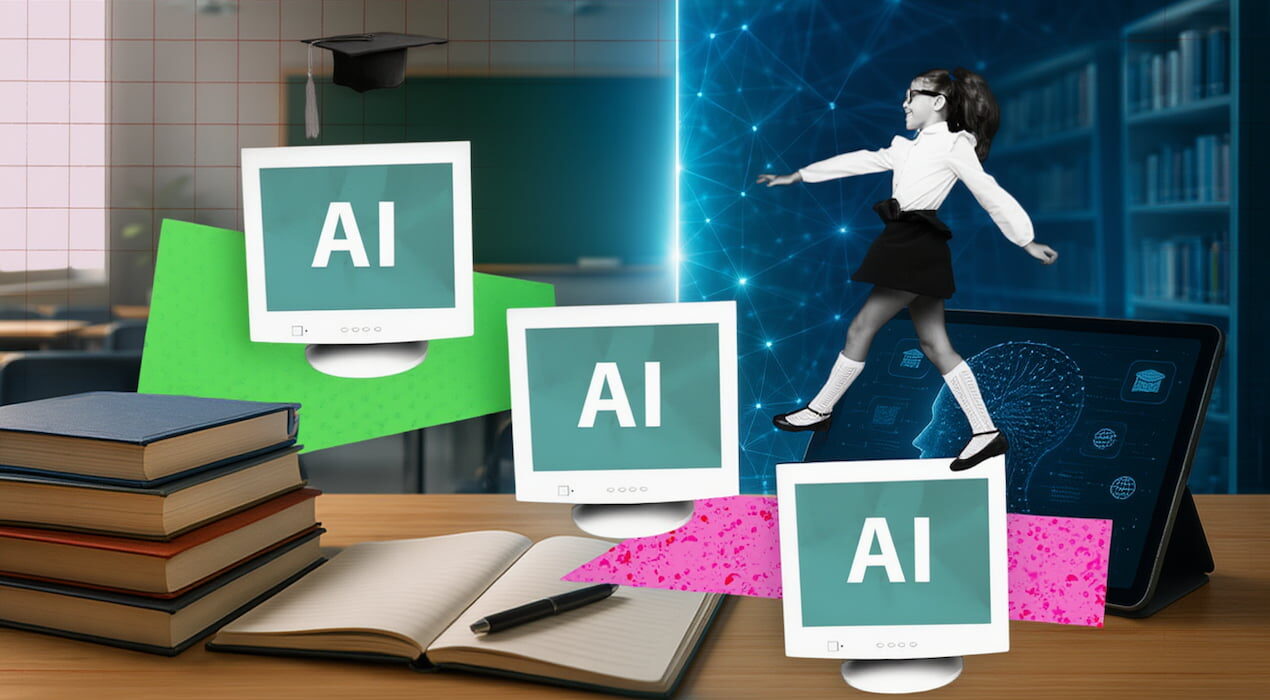
AI in Education Gap Widens as Schools Rush Adoption
Schools around the world are adopting artificial intelligence faster than they can regulate it. A new global report highlights a growing AI education gap across education systems. As a result, schools struggle to balance innovation with clear rules. However, only a small number of institutions have formal AI guidelines in place.
Rapid AI Use in Classrooms
Schools now use AI tools in teaching, grading, and student support. For example, teachers use AI to design lessons and track student progress. In addition, students rely on AI for assignments and research tasks.
However, policy development does not keep pace. Many schools still lack clear rules for AI use. Therefore, confusion grows about how students and teachers should use these tools. Some schools manage AI informally, but this creates inconsistency across systems.
Experts say this gap affects fairness in education. It also raises concerns about academic integrity. For instance, some students use AI without clear limits or supervision. Meanwhile, many teachers do not receive proper training to handle AI tools effectively.
Policy Gaps and Future Challenges
Education leaders now face pressure to act quickly. Governments and institutions must create clear AI policies. Otherwise, the AI education gap will continue to expand.
In addition, experts warn about privacy risks. AI tools collect large amounts of student data. Therefore, schools must introduce stronger data protection measures.
However, AI also brings clear benefits. It improves personalized learning and supports teachers in classrooms. For example, AI systems adjust lessons based on student performance.
As a result, education systems must find balance. They should support innovation while protecting students. Moreover, training programs can help teachers use AI more effectively.
In conclusion, schools must speed up policy development. Responsible AI use will shape the future of education worldwide.