Pancreatic Cancer Weakness Discovery Could Lead to Powerful New Treatments
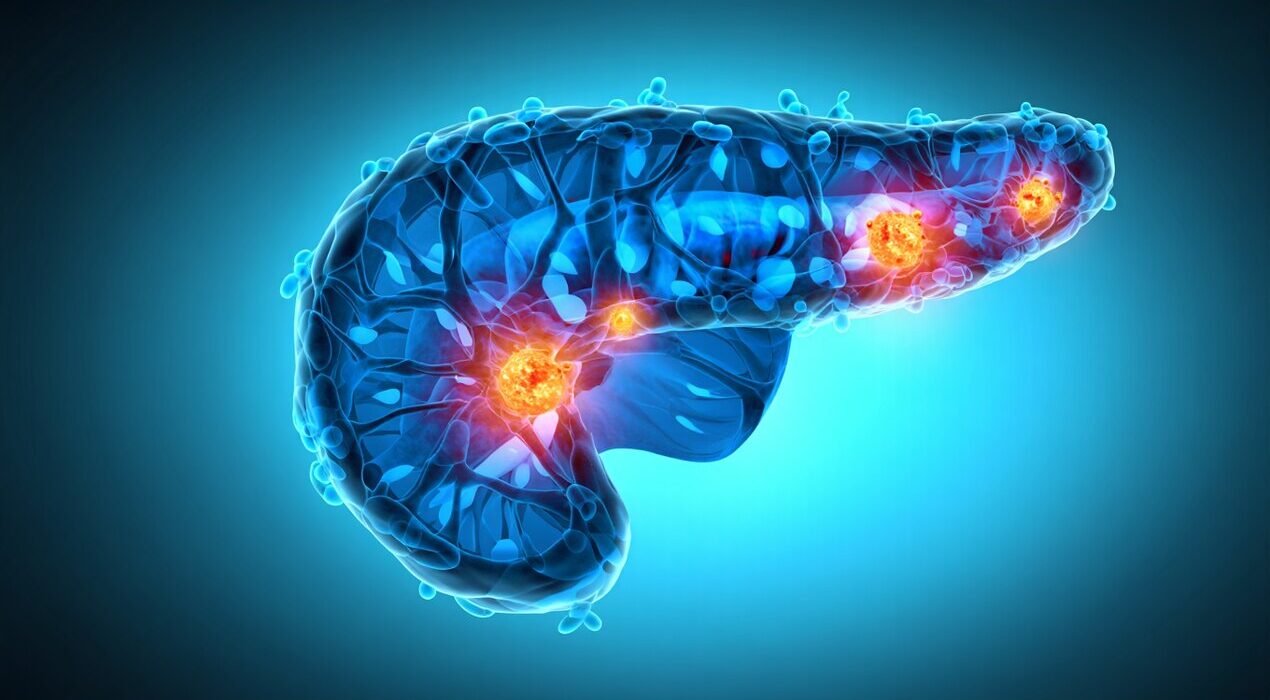
Scientists discovered a surprising pancreatic cancer weakness that could change future treatments. Researchers found that pancreatic tumors depend on inflammation caused by damaged mitochondria. When scientists blocked this process, cancer cells died quickly. The study came from researchers at The Wistar Institute and ChristianaCare’s Helen F. Graham Cancer Center. In addition, the findings may help experts create targeted therapies for one of the deadliest cancers.
Damaged Mitochondria Trigger Dangerous Inflammation
Pancreatic cancer remains extremely difficult to treat. Doctors often diagnose the disease after it spreads through the body. As a result, patients usually face poor survival rates and limited treatment choices.Researchers focused on mitochondria, which produce energy inside cells. Earlier studies showed that many tumor cells contain damaged mitochondria with low Mic60 protein levels. However, scientists did not fully understand how these damaged structures helped tumors survive.
The new study solved that mystery. Researchers discovered that damaged mitochondria leak double-stranded RNA into cancer cells. The immune system mistakes this material for a dangerous infection. Therefore, the cells activate a strong inflammatory response through the TLR3/TRAF6 pathway.
Blocking the Pathway Stops Tumor Growth
Scientists found that pancreatic tumors rely heavily on this inflammatory signal. Cancer cells use the inflammation to grow and survive. However, healthy cells do not appear equally dependent on the process.
Researchers tested drugs that blocked the TLR3/TRAF6 pathway. The treatment killed pancreatic cancer cells while leaving healthy cells unharmed. In mouse studies, the therapy also stopped tumors from growing.
Lead researcher Dr. Dario Altieri called the findings completely unexpected. He explained that scientists never predicted damaged mitochondria could become powerful inflammation centers inside tumors. Researchers now plan to study how Mic60 damage causes RNA leakage. They also hope to develop new drugs that target this pancreatic cancer weakness more effectively.