Inclusive Experiences Drive Exponential Growth in Global Muslim Travel Market
The global tourism industry is experiencing a significant surge in the Muslim travel sector, fueled by an increasing demand for inclusive and faith-conscious experiences. According to the latest industry reports, Muslim travelers are now looking beyond traditional destinations, seeking locations that offer a blend of luxury, adventure, and adherence to faith requirements. This demographic is rapidly becoming one of the most influential segments in the global travel economy.
The Shift Toward Inclusivity
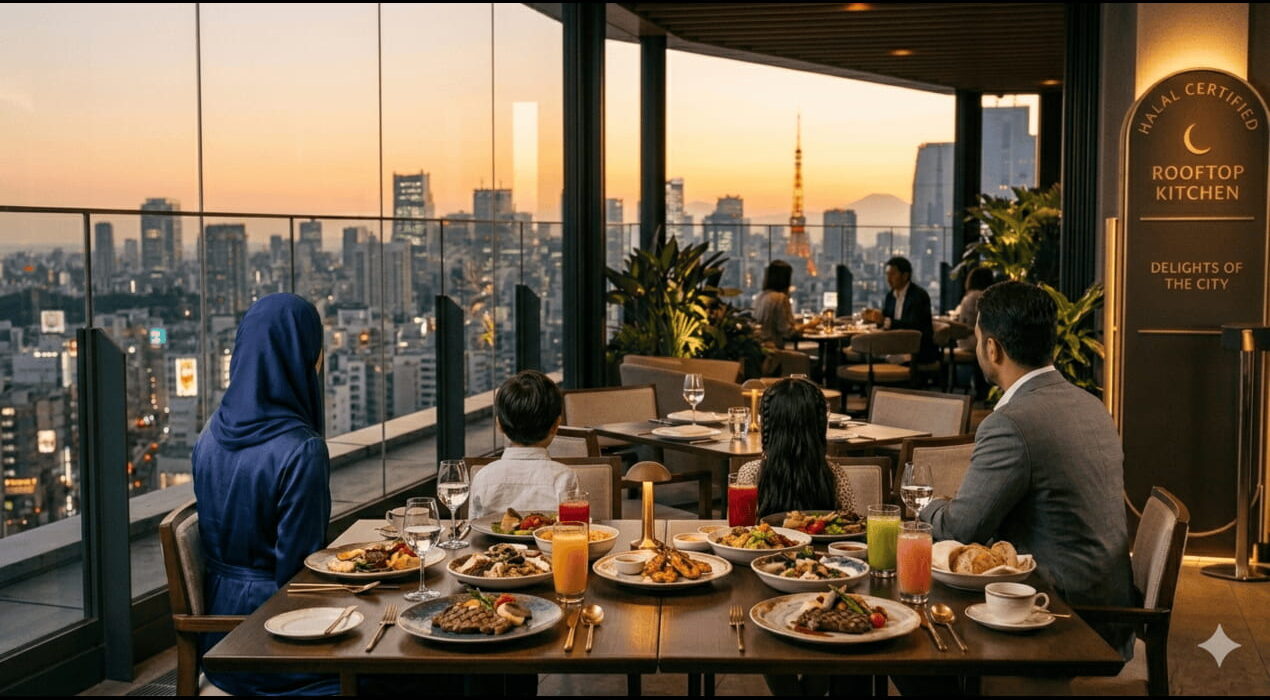
Destinations are increasingly adapting to cater to the specific needs of Muslim travelers. For example, major hotel chains are introducing Halal-certified dining options and prayer facilities within their premises. In addition, many non-OIC (Organization of Islamic Cooperation) countries, such as Japan and the UK, are improving their “Halal-friendly” rankings to capture this growing market. Furthermore, the rise of “Halal-centric” travel tech is making it easier for families to find gender-segregated leisure facilities and alcohol-free environments.
Driving Economic Diversification
The economic impact of this growth is substantial, with the market expected to reach multi-billion dollar valuations by the end of the decade. Therefore, many nations are integrating Muslim-friendly tourism into their national economic strategies. Moreover, younger “Gen Z” and Millennial Muslim travelers are prioritizing authentic and sustainable experiences, leading to a rise in eco-tourism within this segment. As a result, the industry is seeing a shift from “basic” Halal options to sophisticated, high-end “Lifestyle Halal” packages.
This growth underscores a broader trend of personalization and inclusivity in global travel. It highlights the importance of cultural sensitivity and accessibility in modern tourism. However, the industry must continue to innovate to meet the diverse expectations of travelers from different regions. The future of global travel is increasingly defined by how well destinations can accommodate the diverse beliefs and values of their guests.