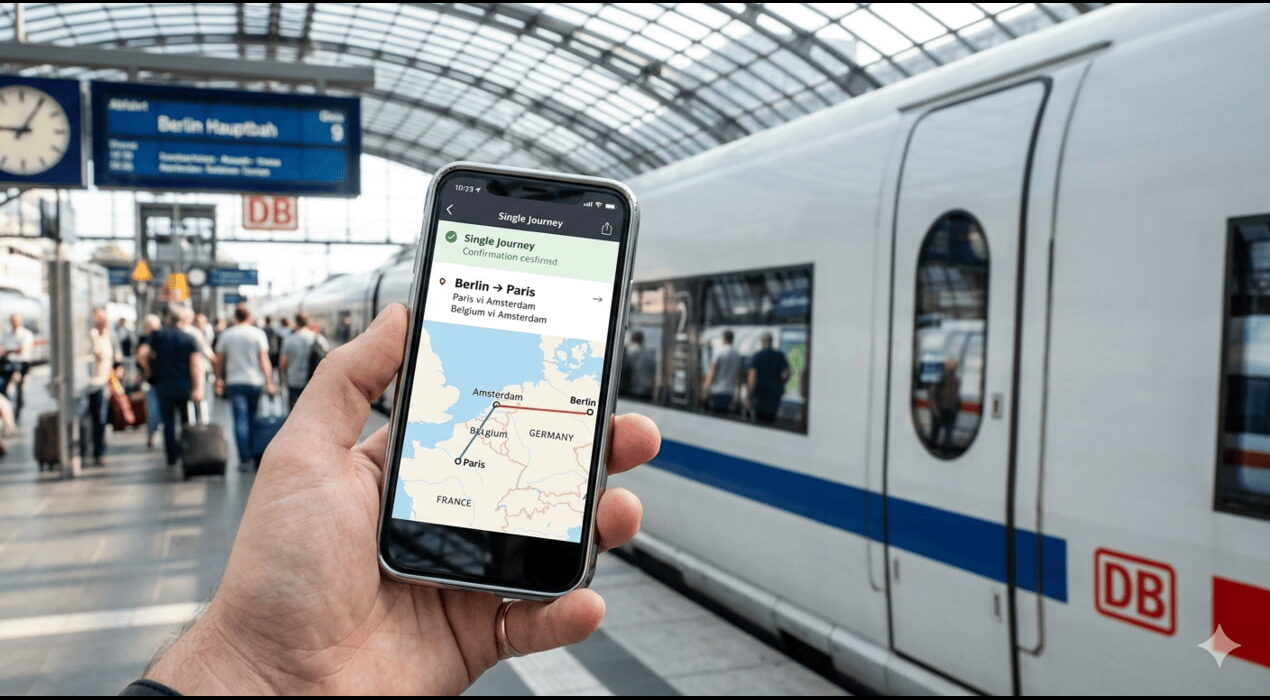
European Proposal to Enable Single-Ticket Travel Across Rail Companies and Borders
A transformative shift is coming to the European rail network that could finally make international train travel as seamless as flying. The European Commission has introduced a legislative proposal that would require rail companies across the continent to share real-time data with third-party booking platforms. This initiative is designed to eliminate the current “fragmented” system where travelers must navigate multiple websites and separate tickets for a single international journey.
Seamless Cross-Border Journeys
The core of this proposal is the creation of a unified digital infrastructure for rail sales. For example, a traveler going from Paris to Berlin would be able to purchase one ticket covering multiple rail operators. In addition, the proposal includes provisions for passenger rights, ensuring that if a traveler misses a connection due to a delay on the first leg, they are protected and re-routed regardless of which company operated the different segments. Furthermore, this data sharing would include information on delays, cancellations, and platform changes in real-time.
Environmental and Strategic Impact
By simplifying the booking process, the EU aims to make rail a more attractive and competitive alternative to short-haul flights. Therefore, this legislation is a key component of the Green Deal’s goal to reduce transport emissions. Moreover, it encourages smaller rail operators to compete on a level playing field with state-owned giants. As a result, increased ticket transparency and price competition are expected to benefit millions of commuters and tourists alike.
This proposal represents a major victory for consumer advocacy groups who have long argued for “through-ticketing” across Europe. It addresses the technical and commercial barriers that have historically prevented a truly integrated European rail area. However, some major rail companies have raised concerns regarding the costs of data integration and the protection of commercial secrets. Despite these hurdles, the momentum for a “one-stop-shop” for European rail is stronger than ever.