Meta Opens Display AI Glasses Platform to Third-Party Developers
Meta is opening its Display AI glasses platform to third-party developers. The move allows outside creators and companies to build apps and experiences for the wearable device. However, Meta is not opening every part of the system immediately. The company plans a gradual rollout with selected developer tools and access.
What the Developer Access Includes
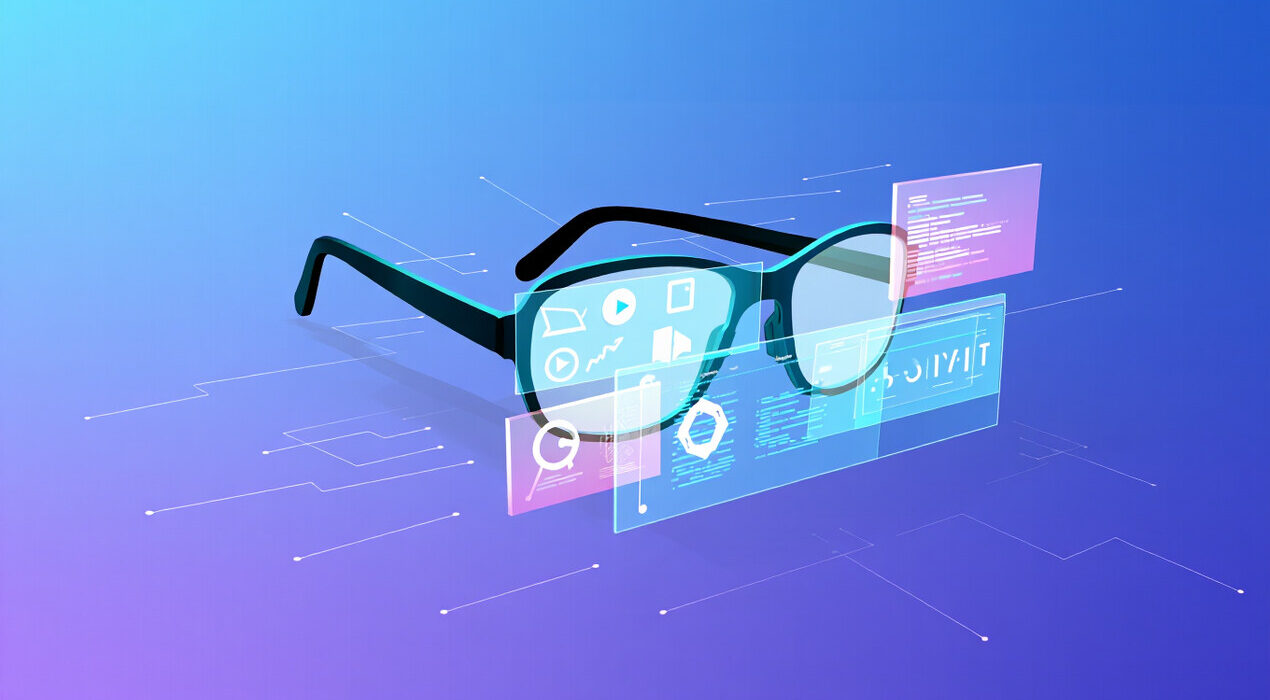
Developers will be able to create apps and interactive features for Meta’s AI-powered glasses. These tools may support notifications, navigation, entertainment, and productivity experiences. For example, developers could build real-time translation tools or fitness tracking features. As a result, glasses may become more useful in everyday life. In addition, Meta wants developers to experiment with AI-powered interactions and voice controls.
Why Meta Is Expanding the Platform
Meta continues investing heavily in wearable technology and artificial intelligence. The company sees smart glasses as a major part of future computing. Therefore, opening the platform to developers can accelerate innovation. Third-party apps often help devices grow faster and attract more users. Moreover, Meta wants to compete more directly in the wearable technology market.
What This Means for Developers
Developers may gain access to a new ecosystem for AI-powered experiences. Early adoption could create opportunities for unique apps and services. For instance, companies could design tools for education, travel, health, or communication. As a result, Meta’s glasses could evolve beyond a niche hardware product into a broader platform.
Challenges Ahead
Smart glasses still face adoption challenges. Privacy concerns, battery life, and pricing remain important issues for consumers. However, Meta believes developer support can improve the platform’s long-term value. In addition, success will depend on whether users see practical daily benefits.
Final Thoughts
Meta’s decision to open its AI glasses platform marks a major step in wearable technology. The company wants developers to help shape the future of augmented experiences. In conclusion, third-party support could expand the possibilities for AI-powered glasses. If adoption grows, wearable AI may become a bigger part of everyday digital life.