Sindh Education Policy Proposes Golden Handshake for Surplus Teachers
The Sindh government has prepared a new policy to tackle staffing imbalances in public schools. The proposed plan focuses on improving resource management and reducing surplus staff across the education sector. As part of the initiative, officials may offer voluntary early retirement to teachers identified as surplus. These measures form a key part of the broader Sindh teacher reforms agenda.
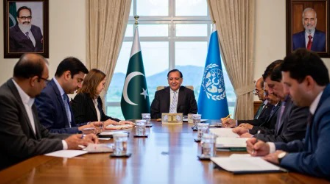
Sindh Education Minister Sardar Shah said the department is conducting a facial recognition-based verification process. This exercise will help determine the exact number of teachers and students in government schools. As a result, authorities will gain a clearer picture of staffing needs across the province.
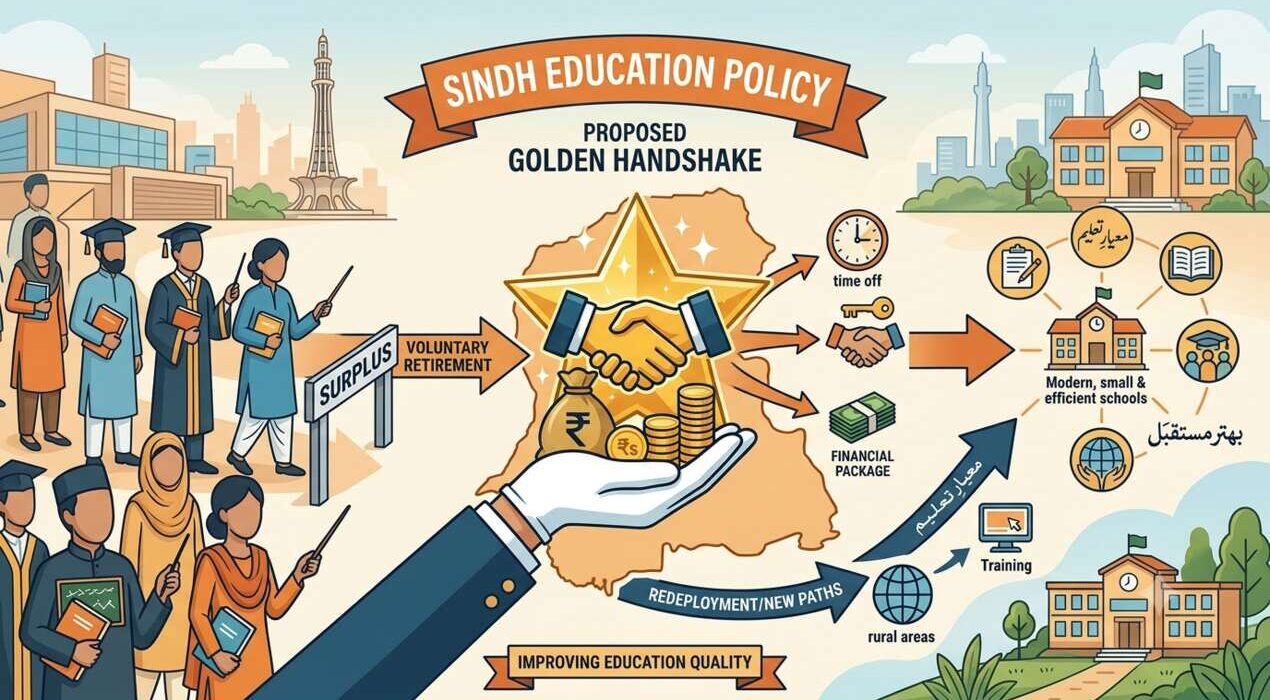
Golden Handshake Scheme for Surplus Teachers
Under the proposed policy, schools with more teachers than required based on student enrollment will undergo staff reviews. Officials will identify surplus teachers after completing the verification process. Those teachers may receive the option to accept a voluntary golden handshake package and retire early.
According to Sardar Shah, the department has continued to face challenges due to excess recruitment carried out in previous years. He explained that reducing surplus staff could help the government manage education spending more effectively. In addition, the move could allow resources to reach schools that face teacher shortages.
The government believes the policy will create a better balance between student numbers and available teaching staff. Therefore, schools may operate more efficiently and provide improved educational services.
New Recruitment Powers for Headmasters
The proposed reforms also include changes to recruitment procedures. Under the new plan, school headmasters will receive authority to hire lower-grade support staff. For example, they may recruit watchmen, gardeners, office attendants, and other support employees.
Education officials believe this step will improve administrative efficiency at the school level. Moreover, headmasters will be able to address staffing needs more quickly without lengthy approval processes.
The proposed Sindh teacher reforms aim to strengthen school management and improve resource allocation. If implemented, the policy could help the education department reduce financial pressure while ensuring schools maintain appropriate staffing levels. Ultimately, officials hope these changes will support a more effective and sustainable education system across Sindh.