Karachi Heat Crisis Warning: Urban Heat Could Spark Major Public Health Emergency
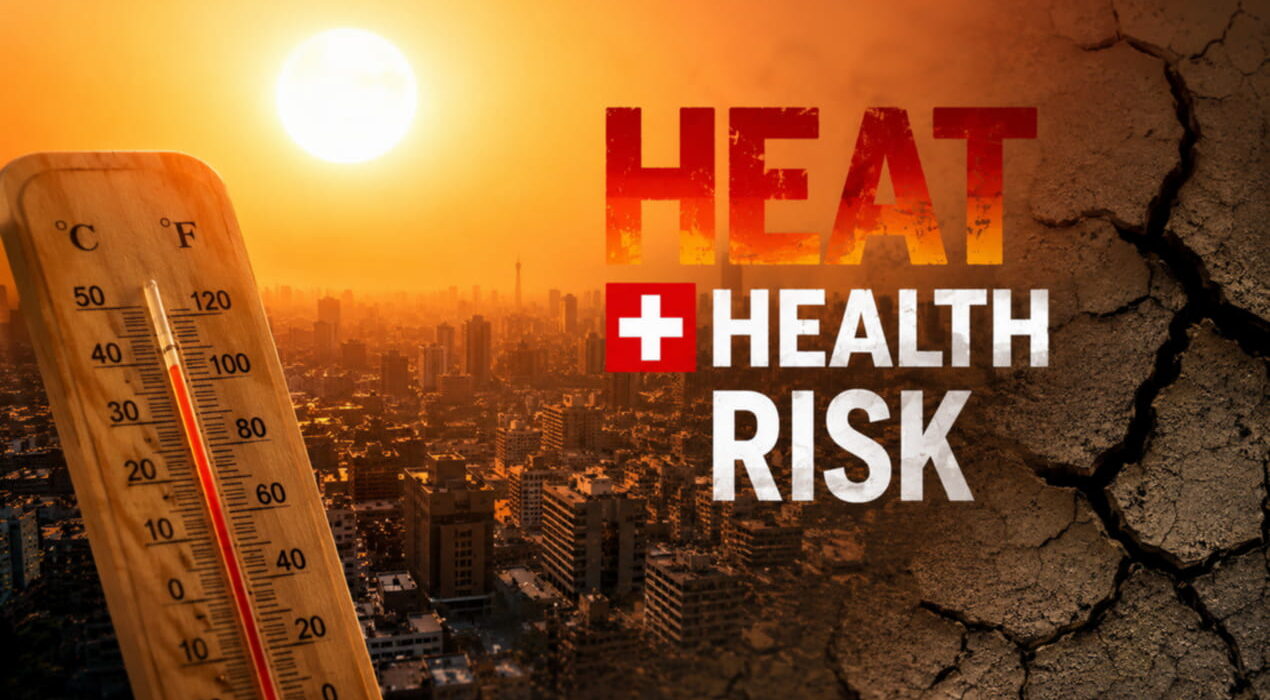
Karachi is facing growing health risks as rising temperatures continue to put pressure on people and public services. Experts warn that the Karachi Heat Crisis is not only about extreme weather. It is also linked to poor sanitation, unsafe water, overcrowding, and weak urban infrastructure.
High temperatures can increase the spread of diseases, especially when communities lack access to clean water and proper waste management. As a result, vulnerable groups face a greater risk of illness during prolonged heatwaves. These challenges can affect health, productivity, and daily life across the city.
Heat and Urban Challenges
Experts say heat becomes more dangerous when it combines with existing urban problems. Poor drainage systems, unsafe water storage, and waste accumulation create conditions that can worsen public health outcomes.
In Karachi, these issues often occur together. Therefore, many residents face multiple risks at the same time. Crowded neighborhoods and limited municipal services can make it harder to cope with extreme temperatures.
Steps People Can Take
Health specialists advise people to avoid outdoor activities during the hottest hours of the day. In addition, residents should drink safe water regularly, stay in shaded areas, and cover their heads when outside.
Families should also monitor children, older adults, pregnant women, and people with chronic illnesses. Warning signs include dizziness, confusion, fainting, severe weakness, and unusually hot skin. Outdoor workers need shaded rest areas, drinking water, and adjusted working hours for protection.
Long-Term Solutions Needed
Experts stress that emergency measures alone will not solve the problem. The city also needs long-term action to reduce heat exposure and improve resilience.
Key measures include protecting trees, expanding green spaces, improving public transport, reducing emissions, and preventing waste burning. Furthermore, authorities should establish cooling centers, public water points, and heat-health alerts. Without coordinated action, the Karachi Heat Crisis could continue to threaten public health and quality of life for many residents.