CDC Warns Cosmetic Surgery Tourists About Rising Infection Risks
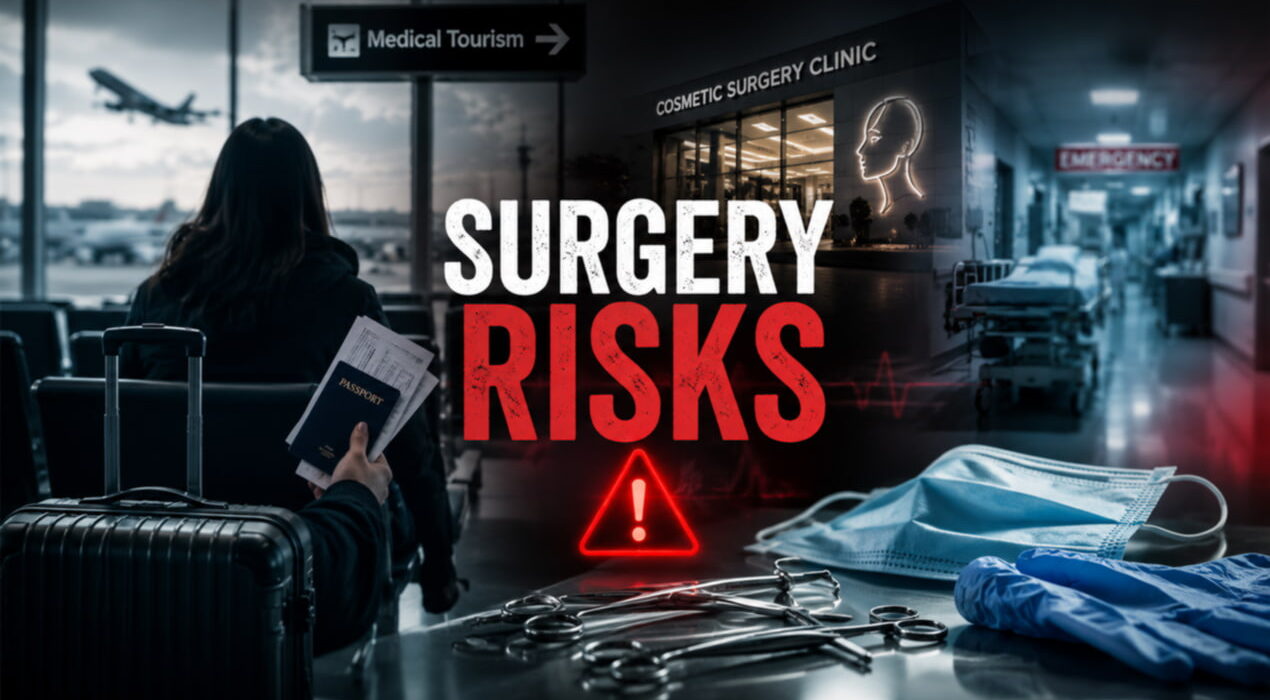
Many people travel abroad for cosmetic procedures to save money or reduce waiting times. However, new findings from the U.S. Centers for Disease Control and Prevention (CDC) show that cosmetic surgery risks can be serious and, in some cases, life-threatening.
CDC Reviews A Decade Of Cases
The CDC reviewed more than 2,100 reports involving U.S. residents who travelled for cosmetic procedures between 2014 and 2024. The study appeared in the agency’s Emerging Infectious Diseases journal.
Researchers identified 21 investigations involving about 145 patients who experienced complications after surgery. These cases included infections and other adverse health outcomes. In addition, the CDC recorded four reports involving patient deaths linked to cosmetic procedures.
Infections Raise Major Concerns
According to the study, 20 of the investigations involved infections. Furthermore, 12 cases were linked to suspected or confirmed bacterial outbreaks.
The affected patients underwent procedures such as liposuction and breast augmentation. Many travelled to destinations including Mexico, Canada, countries in Central America, South America, and the Caribbean.
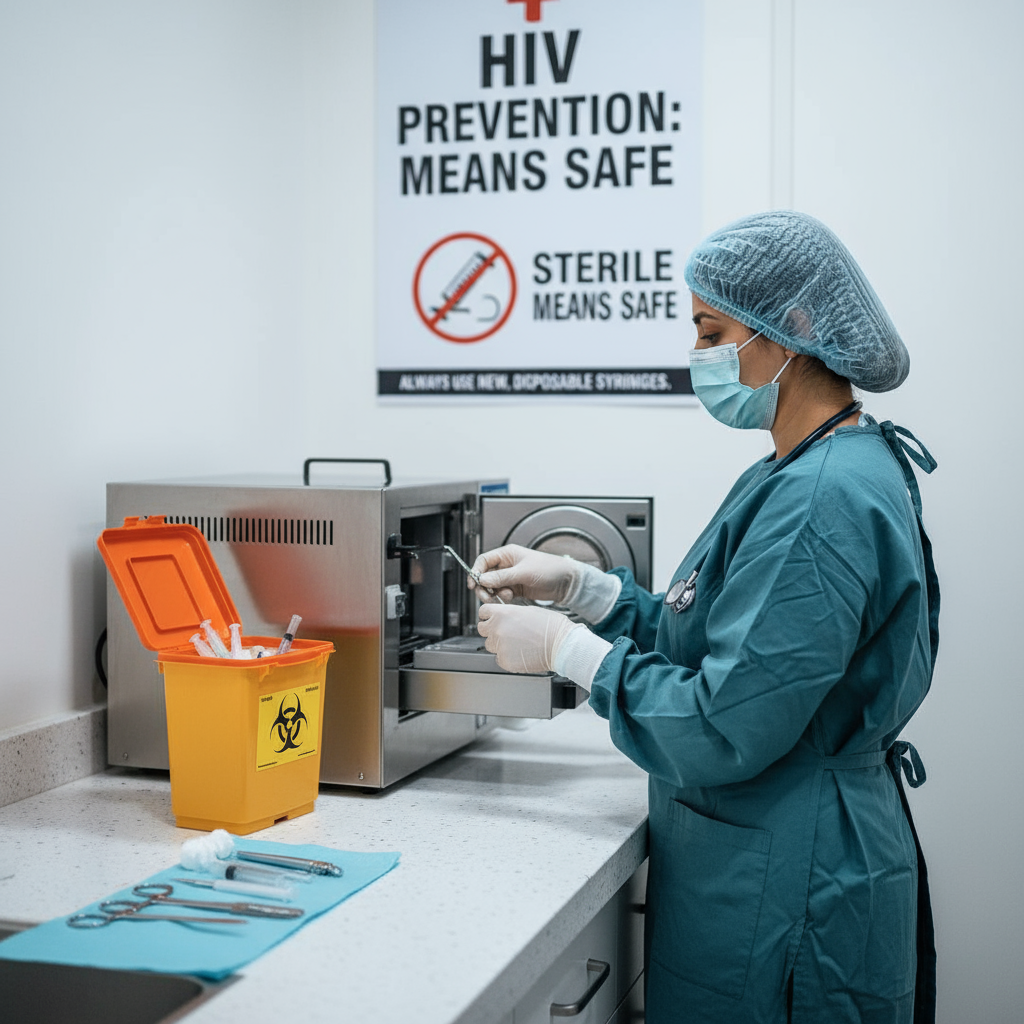
Investigators also found problems at some clinics and surgical centers. For example, they identified poor environmental cleaning practices, inadequate hand hygiene, improper use of protective equipment, and issues with sterilizing surgical tools. As a result, these shortcomings may have increased the risk of infection.
CDC Calls For Greater Awareness
The CDC said the findings highlight the need for better awareness of cosmetic surgery risks associated with medical tourism.
Therefore, the agency is urging stronger surveillance systems and closer cooperation between healthcare providers and public health authorities. In addition, it recommends better patient education so people can recognise complications early and seek medical care quickly.
Health experts say informed decisions and proper safety standards can help reduce risks and improve outcomes for patients considering cosmetic procedures abroad.