Stationery Tax Hike: FBR Weighs 18% Sales Tax on School and Office Supplies
The proposed Stationery Tax Hike could increase the cost of school and office supplies across Pakistan. The Federal Board of Revenue (FBR) is considering raising the sales tax on stationery items from 10 percent to 18 percent in the Budget 2026-27. If the government approves the proposal, the new tax rate will take effect on July 1, 2026. As a result, consumers may pay significantly more for everyday educational and office products.
Consumers May Face Higher Expenses
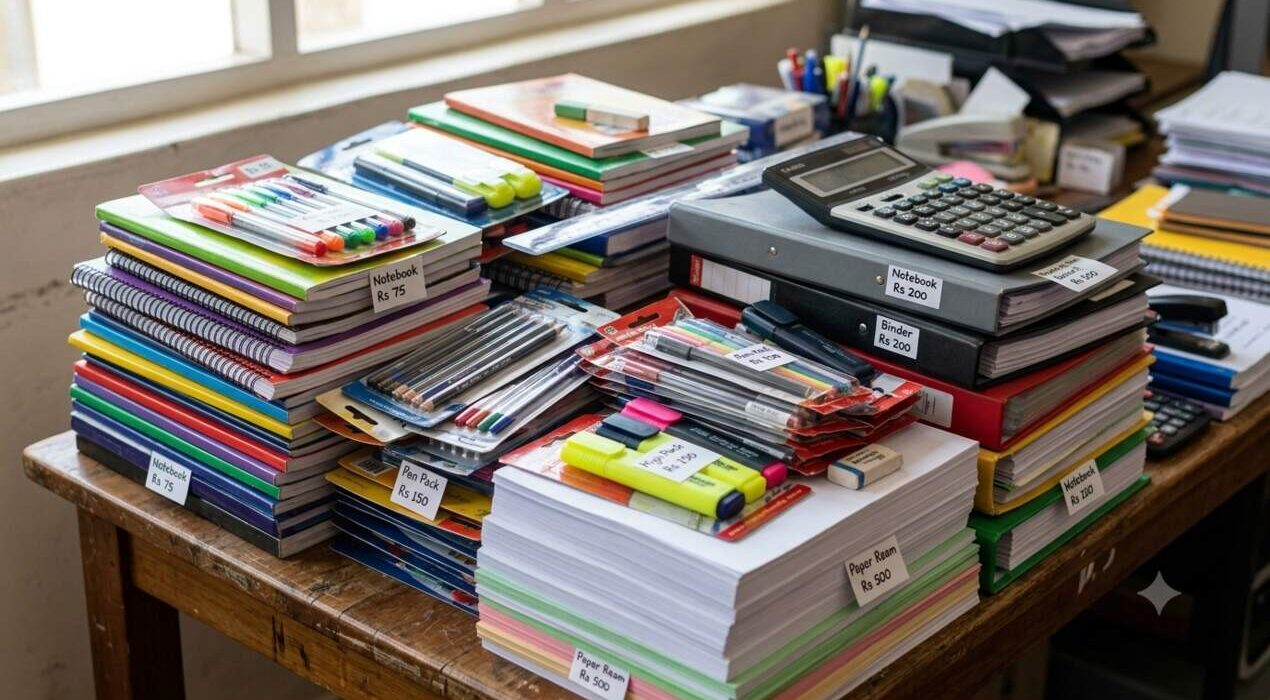
According to sources, the proposed tax increase will apply to a wide range of stationery products. These items include notebooks, registers, pens, pencils, markers, and other essential supplies. Therefore, students, parents, teachers, and office workers could face higher expenses in the coming fiscal year.
Sources said the government is reviewing the proposal as part of broader tax reforms. In addition, officials are considering changes to several tax exemptions in different sectors. The government believes these measures could improve revenue collection and support fiscal targets.
However, the proposed increase may add pressure to household budgets. Many families already struggle with rising prices of essential goods and services. A higher tax on stationery products could further increase education-related spending. Likewise, businesses that regularly purchase office supplies may also experience higher operating costs.
Budget Reforms Could End Tax Concessions
The government is also considering reducing or removing tax concessions available to the stationery sector. As a result, retailers may face a higher tax burden and pass some of the additional cost on to consumers.
Moreover, the jump from 10 percent to 18 percent represents a substantial increase in taxation. Industry stakeholders expect retail prices to rise if authorities implement the proposal. For example, schools, offices, and small businesses that buy stationery in bulk could see a noticeable increase in expenses.
Meanwhile, consumers and business owners await the final budget announcement. Until then, officials continue to review the proposal as part of the government’s wider fiscal reform agenda for 2026-27.