Poultry Industry Seeks Tax Relief in Budget 2026-27 Amid Rising Costs
Poultry Tax Relief has emerged as a major demand following the federal budget for 2026-27. Representatives of the poultry sector have expressed disappointment, saying the government did not announce meaningful support for an industry facing rising operational costs. Industry leaders argue that higher taxes on essential inputs continue to place significant financial pressure on producers. As a result, many businesses struggle to maintain profitability while meeting growing market demand.
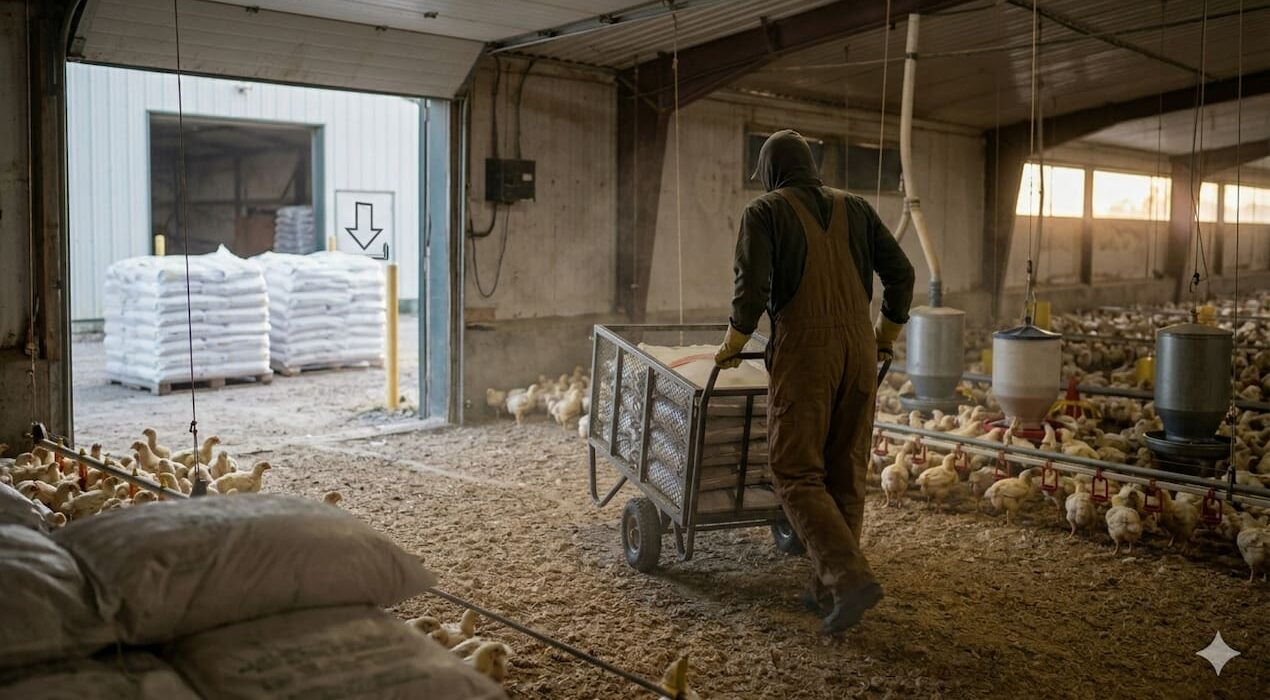
Speaking to the media, poultry industry representative Khalique Arshad highlighted several challenges confronting the sector. He said producers continue to bear heavy tax burdens on vaccines and medicines that protect chicks from diseases and support healthy growth. Therefore, he urged the government to reduce these taxes to encourage investment and expansion.
Industry Calls for Lower Taxes
Arshad stressed that vaccines and medicines play a vital role in poultry production. He argued that reducing taxes on these products would lower production costs and strengthen the industry’s long-term sustainability. In addition, such measures could help increase output and create new employment opportunities across the country. The poultry sector contributes significantly to food security and economic activity. However, industry stakeholders believe current tax policies limit growth potential. Consequently, they continue to call for reforms that support producers and encourage business development.
Arshad also criticized the General Sales Tax (GST) imposed on day-old chicks. According to him, producers pay Rs10 per chick despite already operating under financial constraints. He said this additional burden further reduces profit margins and creates difficulties for poultry farmers.
Concerns Over Rising Production Costs
Industry representatives warn that the absence of Poultry Tax Relief could create additional challenges in the coming months. Higher production costs may place further strain on businesses already facing economic pressures. Moreover, these costs often pass through the supply chain and affect consumers.
Stakeholders believe targeted tax reductions would help stabilize the sector. They argue that lower taxes could improve productivity, support employment, and strengthen food production. Ultimately, industry leaders want policymakers to introduce measures that ensure sustainable growth while protecting both producers and consumers from rising costs.