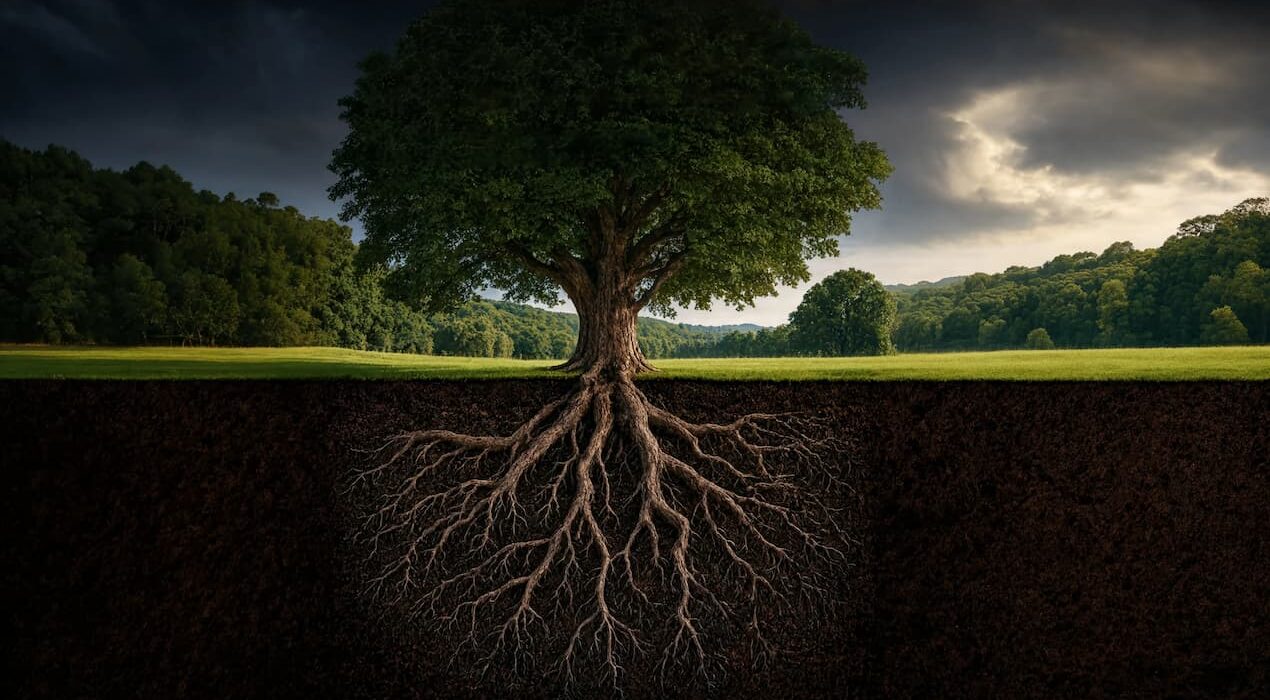
Oak carbon insight reveals hidden split in tree activity
Oak carbon insight shows a hidden split in tree activity across the forest today in the early twenty‑first century now. Photosynthesis can outpace wood formation during late seasons, extending leaf function while roots prepare for winter, influencing storage dynamics significantly. The research combined satellite imagery, ground sensors, and tree‑ring data to verify the observed pattern, confirming the split, and evidence.
A hidden splitMeasurements across many sites show leaves keep working even after trunk growth pauses, indicating continued activity in temperate zones today. The pattern appears in eastern forests and also in western groves, showing widespread occurrence and coastal subtropical regions worldwide. Seasonal timing varies, but the split remains consistent across regions, suggesting a broad cross‑ecosystem shared ecological response and ecosystem services.
Why it matters
Hot, dry spells lower internal pressure, halting expansion quickly, while Leaves still capture sunlight and sustain metabolism, alter storage cycles. Growth stops almost instantly, but photosynthesis continues at a reduced rate, therefore ensuring continued photosynthetic output and growth. These conditions are becoming more common as climates shift, increasing the frequency of growth pauses, making climate impacts are more pronounced. The extra energy fuels leaf growth, root repair, or starch accumulation in tissues, however supporting seasonal recovery, supporting biodiversity for
wildlife.
Some of it returns to soil as microbes break down organic matter, releasing nutrients for other organisms, for downstream organisms. A portion also supports microbial communities that help trees access nutrients, enhancing overall ecosystem health, enhancing long‑term ecosystem resilience further. Models that assume growth follows photosynthesis may overestimate long‑term storage, leading to misleading storage estimates and inaccurate projections.
Researchers now call for updated tools to track daily size changes accurately, ensuring budget estimates, for climate projections globally. The oak carbon insight guides future forest models, providing a roadmap for future forest management strategies, and inspire new policies.