Wingless Fly Sacrifices Sight for Survival
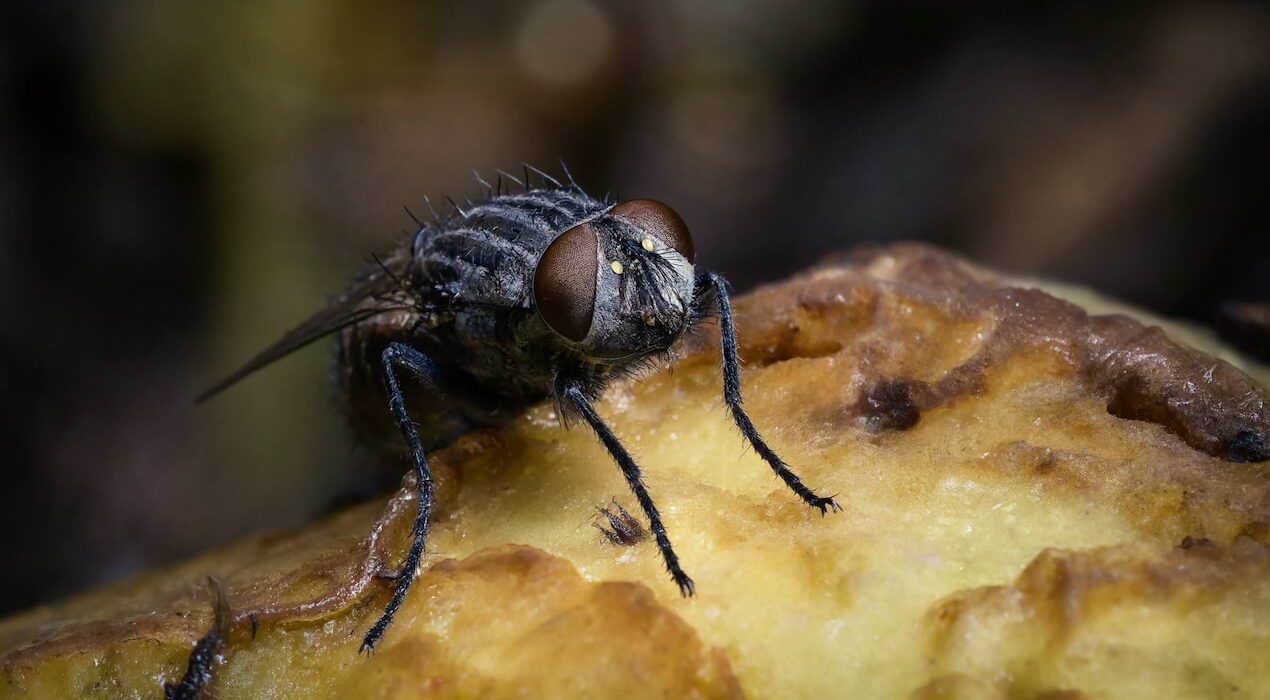
Scientists have discovered a fly that sheds its wings and reduces its vision after finding a host.The insect, called the deer ked, begins life with wings and sharp eyesight. It uses both to locate animals such as deer. However, once it lands, it permanently loses its wings and shifts to a parasitic lifestyle.
Vision Declines After Transformation
Researchers at Aberystwyth University and the University of Florence studied deer keds at different stages. They found that winged adults rely heavily on vision, similar to tsetse flies. After shedding wings, the flies reduce activity in opsin genes, which control visual sensitivity. Dr. Roger Santer explained: “Vision is vital but costly. Evolution favors sensory systems matched to lifestyle. Deer keds are fascinating because they switch between two extremes.”
Losing wings means the fly no longer needs strong vision. Instead, it conserves energy for digestion and reproduction. Opsin activity drops to half the previous level, showing that sight is not lost but weakened.This adaptation highlights how parasites redirect resources to survive. It also shows how sensory systems evolve when lifestyles change dramatically.
Comparing Flying and Wingless Flies
The team compared winged deer keds captured in flight with wingless ones collected from deer. Genetic analysis revealed clear differences in vision genes. The findings suggest that once the fly becomes an ectoparasite, sight becomes less important.
The Takeaway
Deer keds sacrifice wings and reduce vision to thrive as parasites. The study, published in the Journal of Experimental Biology, offers new insight into how insects adapt their senses. Understanding these changes may help improve monitoring and control of biting flies.