Free Education Quota Faces Scrutiny as Private Schools Come Under Spotlight
Education is a fundamental right in Pakistan. However, growing concerns have emerged over the implementation of the free education quota in private schools. Recent disclosures have raised questions about whether thousands of deserving children are receiving the opportunities guaranteed under the law.
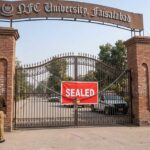
The Right to Free and Compulsory Education Act 2012 requires private schools to reserve at least 10 percent of their seats for children from low-income families. The law aims to promote equal access to quality education. However, information presented before the Islamabad High Court suggests that many institutions may not fully comply with this requirement.
Thousands of Students May Miss Educational Opportunities
According to available figures, Islamabad has around 1,571 private educational institutions with nearly 389,000 students enrolled. Based on the legal requirement, more than 38,000 children should benefit from free education placements. However, reports indicate that many schools may not have allocated the required number of seats.
Education experts believe stronger enforcement could help address this issue. They argue that effective implementation would allow thousands of children to attend quality schools without financial barriers. As a result, more families could access educational opportunities that might otherwise remain out of reach.
The issue becomes even more important as private school expenses continue to rise. Tuition fees, admission charges, books and uniforms create a significant financial burden. Consequently, many middle-income families struggle to manage these costs, while low-income households face even greater challenges.
Need for Oversight and Accountability
The matter gained further attention during proceedings in the Islamabad High Court. However, the petitioner later withdrew the case. This development raised questions among legal observers about accountability and future investigations.
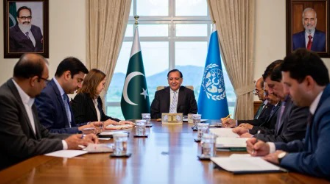
Meanwhile, the Private Educational Institutions Regulatory Authority (PEIRA) says it has taken steps to monitor compliance. The authority has requested data from schools and established a monitoring mechanism. In addition, officials continue efforts to verify records and assess implementation. Experts stress that laws alone cannot guarantee results. Strong oversight, transparent reporting and public awareness remain essential. Parents also need clear information about their rights.
The debate highlights a broader challenge for Pakistan’s education sector. If education is truly a right, then every eligible child should receive a fair chance to learn, grow and succeed regardless of financial circumstances.