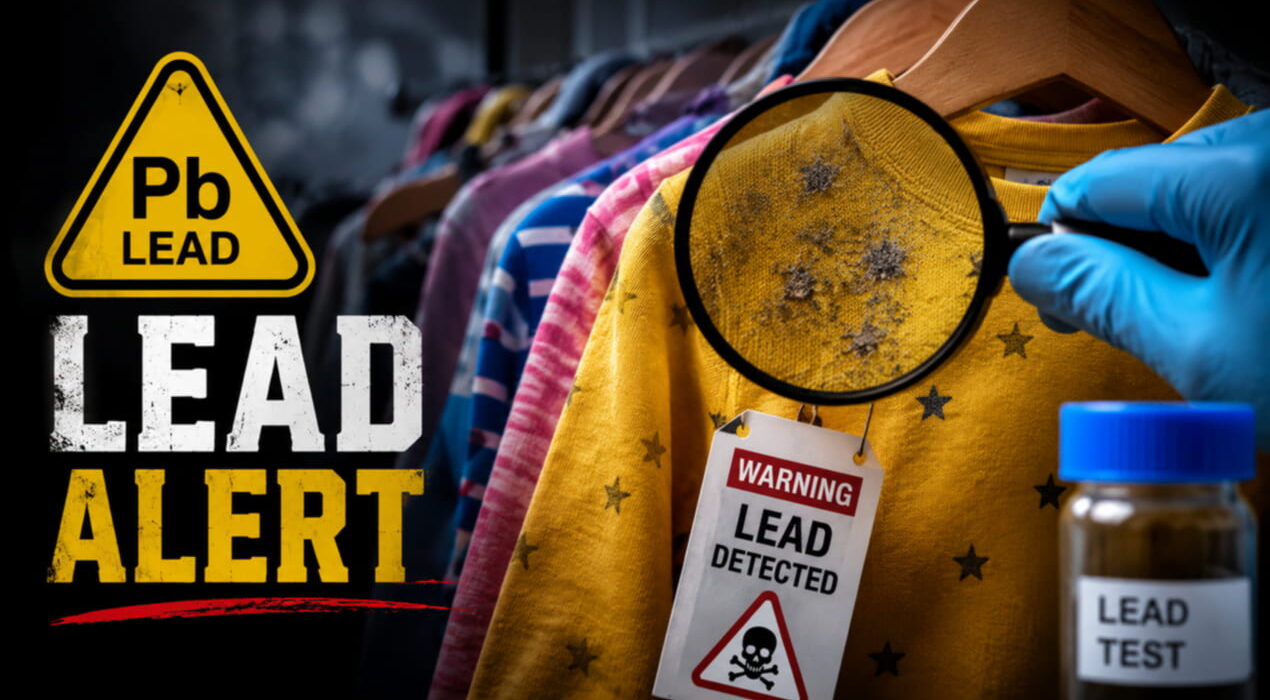
Children’s Clothing Lead Study Finds Unsafe Levels, Raising Safety Concerns
Children’s clothing lead study has raised fresh concerns about the safety of products many families use every day. Researchers found unsafe lead levels in some children’s clothing items. As a result, experts are urging stronger safeguards to protect young children from harmful exposure.
Lead is a toxic metal that can affect children’s growth and development. Young children face greater risks because their bodies and brains are still developing. Therefore, even low levels of repeated exposure may become a concern over time.
The study examined various clothing products designed for children. Researchers discovered that some items contained lead levels above limits many experts consider safe. These findings highlight the need for strict product testing before items reach store shelves.
Why This Discovery Matters
Children wear clothing for many hours each day. In addition, they often have close and repeated contact with fabrics. Because of this, safety standards for children’s products remain essential.
Quality control can help identify harmful substances before products enter the market. Manufacturers also have a responsibility to use safer materials and follow established guidelines. Parents deserve confidence that the products they buy meet high safety standards.
The Role of Research and Regulation
Scientific research often uncovers hidden risks that consumers cannot easily detect. For example, studies like this provide valuable information to regulators and industry leaders. As a result, they can strengthen oversight and improve safety requirements.
Greater transparency also helps families make informed choices. Continued monitoring ensures that emerging concerns receive proper attention.
Creating Safer Products for Children
This children’s clothing lead study serves as an important reminder. Innovation should focus on both quality and safety. Improved manufacturing practices, stronger regulations, and increased awareness can create safer environments for children. Together, these efforts can help families trust the products they use every day.