Diabetes Rise in IIOJK Linked to Chronic Stress, Health Experts Warn
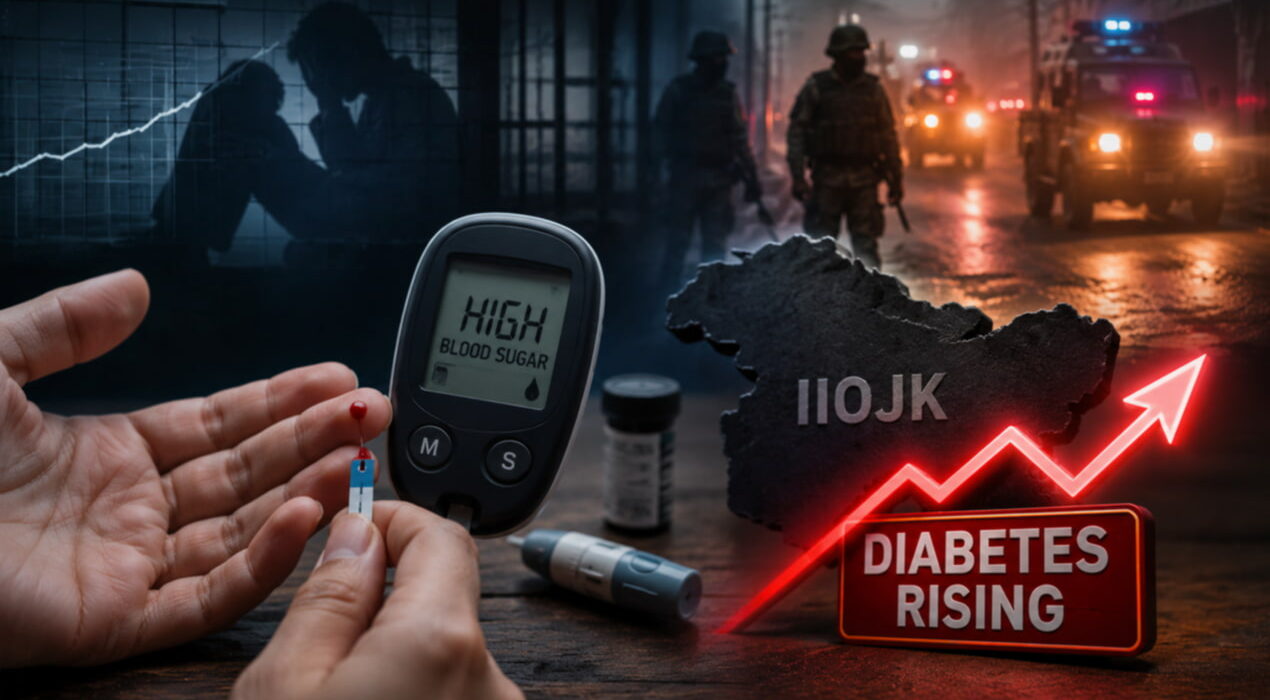
Diabetes cases are increasing rapidly in Indian illegally occupied Jammu and Kashmir (IIOJK), raising fresh concerns among health experts. The latest Family Health Survey-6 (2023-24) shows that more adults now have high blood sugar or take diabetes medication. The report found that 13% of women and 11.3% of men aged 15 years and above are affected. In comparison, the 2019-21 survey recorded 8.7% of women and 8% of men with high blood sugar. Experts say the growing diabetes burden needs urgent attention because more people are developing the disease at younger ages.
Stress Emerging as a Major Risk Factor
Doctors say obesity, unhealthy eating habits, and physical inactivity continue to increase diabetes risk. However, they also believe prolonged stress has become an important trigger. According to medical experts, frequent day and night raids and harassment by Indian occupation forces create constant psychological pressure. As a result, stress hormones such as cortisol remain elevated. This can disturb sleep, increase blood sugar levels, and raise the risk of developing Type-2 diabetes. Experts warn that long-term stress can damage metabolic health and make diabetes harder to prevent.
Survey Shows Regional Differences
The survey estimates diabetes prevalence in the Jammu region at 18.9%. Urban areas recorded a much higher rate of 26.5%, while rural areas reported 14.5%. In addition, researchers estimate that nearly 40% of diabetes cases remain undiagnosed. This means many people may live with the condition without receiving treatment or lifestyle advice.
Younger Adults Also at Risk
Prof. Dr. S. Muhammad Salim Khan of Government Medical College Srinagar said diabetes is no longer limited to older adults. Increasingly, younger people are also developing the disease. Doctors say poor diet, hypertension, tobacco use, lack of exercise, inadequate sleep, and chronic stress all contribute to rising diabetes rates. They urge early screening, healthier lifestyles, and better awareness to help reduce the growing burden across IIOJK.