AI Heart Risk Detection: Routine ECG May Predict Sudden Cardiac Death
A routine ECG could soon do more than check your heartbeat. New research suggests artificial intelligence (AI) may detect a hidden risk of sudden cardiac death before symptoms appear. Scientists at the University of California, Berkeley developed an AI model that analyzed routine ECG scans for warning signs that doctors often miss. The findings were published in the journal Nature.
AI Finds Hidden Heart Clues
Researchers trained the AI using more than 440,000 ECGs collected in Sweden. They matched each scan with health records and death certificates. Next, they tested the system with patient data from the United States and Taiwan. The model performed well across different healthcare systems.
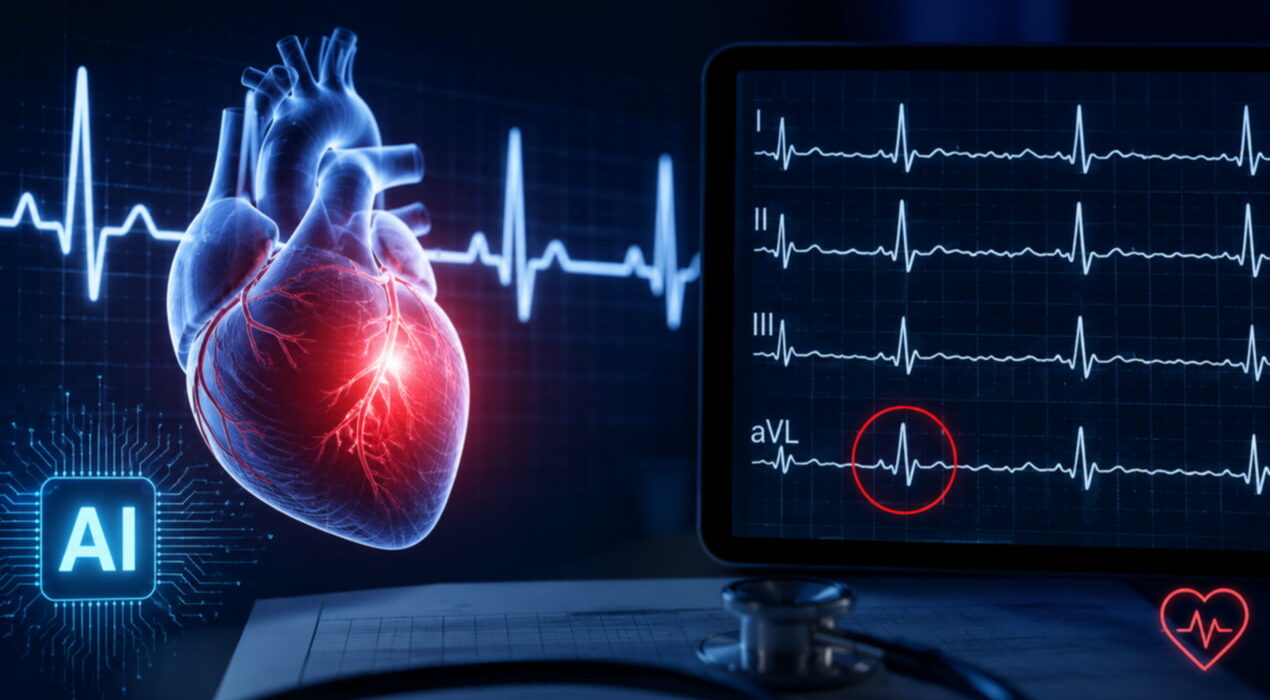
Unlike current screening methods, the AI identified patients with a higher risk of sudden cardiac death even when their hearts appeared normal. Researchers also found a new ECG pattern in the aVL lead’s QRS complex. This signal strongly predicted deadly heart rhythm problems and had not been described before. Therefore, the discovery could improve future heart screenings.
Better Screening, Better Decisions
Doctors currently rely on left ventricular ejection fraction (LVEF) to assess risk. However, this method does not identify every high-risk patient. Many people who suffer sudden cardiac death have normal pumping function.
The AI model identified a group with a 7% yearly risk, compared with 4.6% using standard LVEF screening. As a result, doctors may better decide who needs closer monitoring or an implantable defibrillator. Researchers are now testing the technology in hospitals before routine use.
What It Means for Patients
Although this tool is not yet available for public use, the results are encouraging. Experts also stress the need for strong privacy protections because AI depends on large health datasets.
Meanwhile, people should never ignore fainting, unexplained dizziness, rapid heartbeats or a family history of sudden cardiac death. Early medical advice remains essential. In addition, learning CPR and knowing where automated external defibrillators are located can help save lives during emergencies.