Hospital HIV Infections: Families Seek Justice for Affected Children
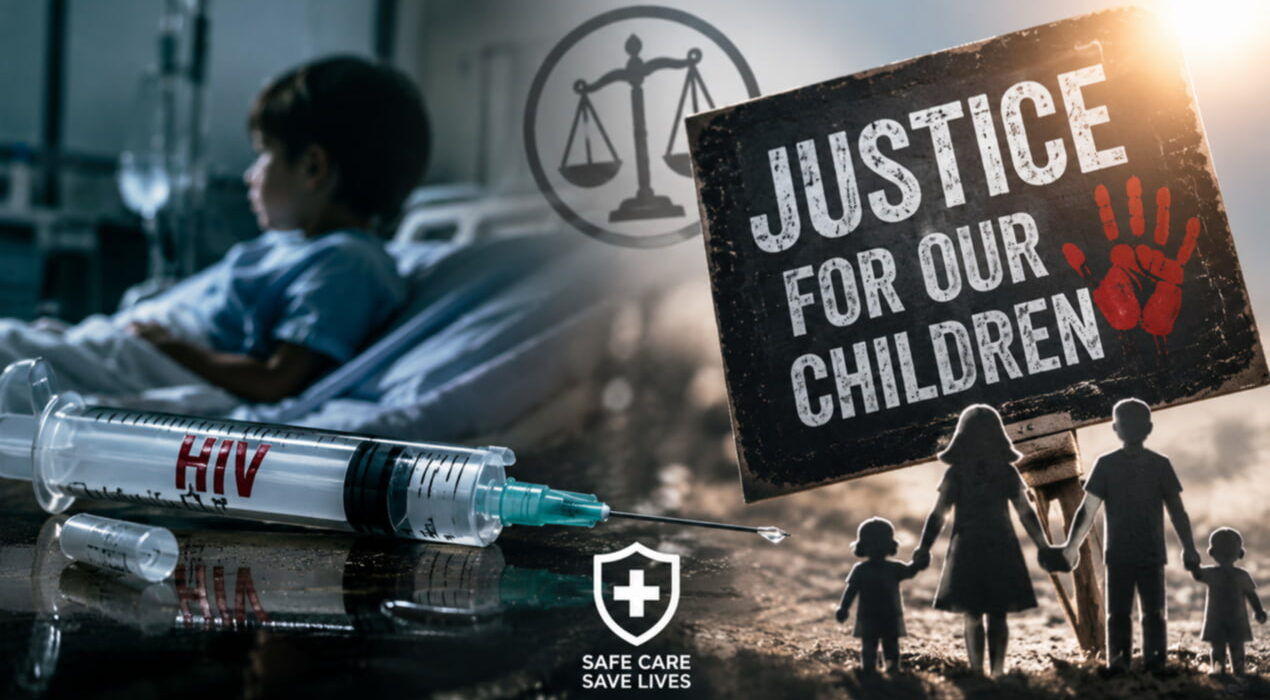
Families of children who contracted hospital HIV infections at a government hospital are demanding justice and urgent action from the Sindh government. They say officials have failed to protect patients despite laws designed to prevent unsafe medical practices. As a result, affected families continue to struggle while waiting for proper treatment and accountability.
Law Still Not Enforced
Advocate Mansoor said Sindh already has a law that bans the manufacture, sale, and use of conventional syringes. Instead, healthcare providers must use auto-break syringes that become unusable after one injection. This measure aims to stop the spread of dangerous infections, including HIV and hepatitis.
However, he argued that the government has failed to enforce the law. According to him, officials have still not framed the rules under the Sindh Regulation and Control of Disposable Syringes Act, 2010. Therefore, the legislation remains ineffective even after 16 years.
Families Demand Accountability
Mansoor said the government spends billions of rupees on hepatitis and HIV programmes with support from international donors. Even so, he believes authorities have not addressed the root causes of preventable infections. Consequently, many families continue to suffer without justice.
He added that he contacted several government departments, including the Sindh Healthcare Commission. However, he claimed he received no meaningful response. Because of this, he approached international organisations, including UNICEF and the International Labour Organization, seeking support for affected families.
Appeal for Better Treatment
Mansoor questioned whether poor families were being ignored because of their financial condition. He said the government’s silence forced them to seek international help. Pakistan, he noted, is a signatory to several conventions protecting children’s and workers’ rights.
The families now want authorities to accept responsibility for the affected children. They are also demanding quality treatment at Aga Khan University Hospital or medical care abroad with one family member. They hope swift action will finally deliver justice and secure a healthier future for every child.