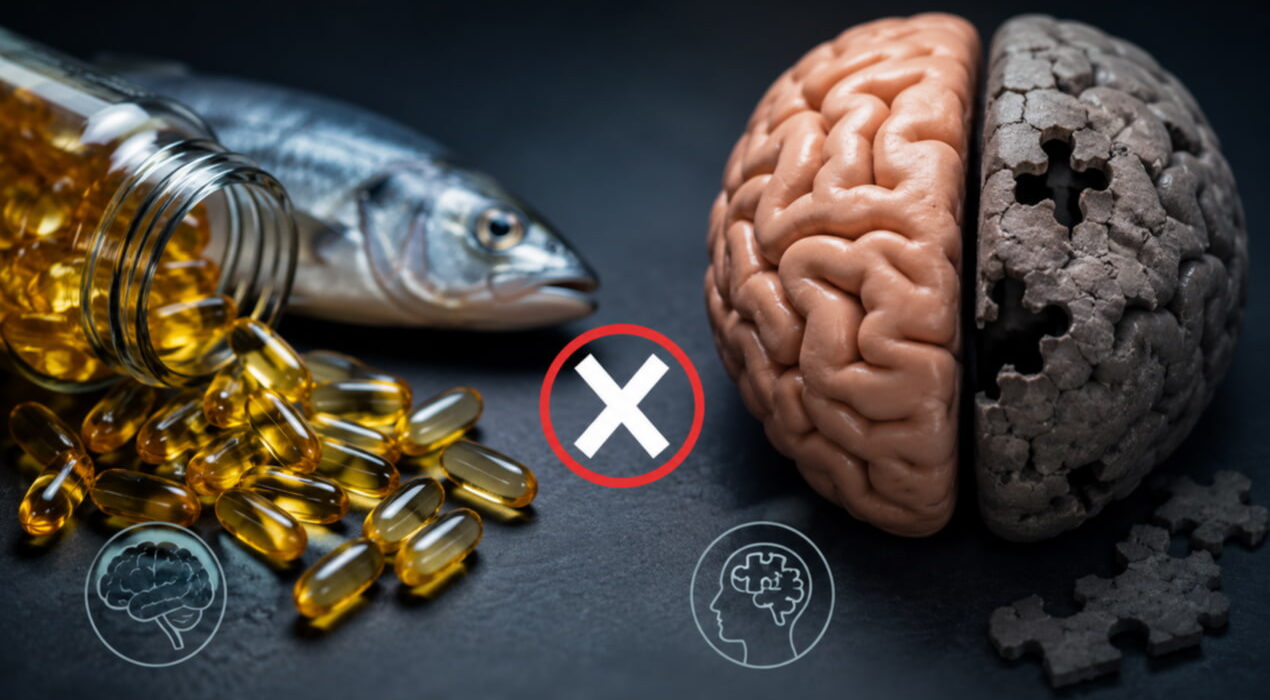
Fish Oil Brain Study: Omega-3 Supplements Show No Alzheimer’s Benefit
Millions of people take fish oil brain study supplements hoping to protect memory and lower the risk of Alzheimer’s disease. However, a new clinical trial found that these supplements did not improve brain health in older adults. Researchers said fish oil increased omega-3 levels in the brain, but it failed to deliver meaningful benefits for memory or thinking skills over two years.
Fish Oil Reached the Brain
Researchers at the University of Southern California studied 365 adults aged 55 to 80 who rarely ate fish. All participants faced a higher risk of Alzheimer’s disease, and nearly half carried the APOE4 gene, a major genetic risk factor. Participants received either a daily high-dose DHA fish oil supplement or a placebo.
After six months, tests showed DHA levels in the fluid surrounding the brain increased by 17%. Therefore, researchers confirmed that omega-3 from the supplements successfully reached the brain. However, this increase did not improve memory, thinking ability, or other measures of cognitive health during the study.
No Protection Against Brain Aging
Researchers also used brain scans to examine the hippocampus, an area linked to memory. The scans showed no difference between people taking fish oil and those receiving a placebo. As a result, the supplements did not slow brain shrinkage associated with Alzheimer’s disease.
Healthy Lifestyle Remains Key
Scientists believe omega-3s may work better through a Mediterranean-style diet instead of supplements alone. In addition, they plan to study how age, genetics, diet, and overall health affect the brain’s ability to use these nutrients.
Lead researcher Hussein Naji Yassine said there is no single solution for preventing Alzheimer’s disease. Instead, experts recommend regular exercise, quality sleep, and a balanced diet to support long-term brain health. The findings challenge popular claims about fish oil supplements and shift attention toward healthy lifestyle choices that may better protect memory as people age.