ML-1 Project Removed from CPEC as Pakistan Seeks ADB Financing
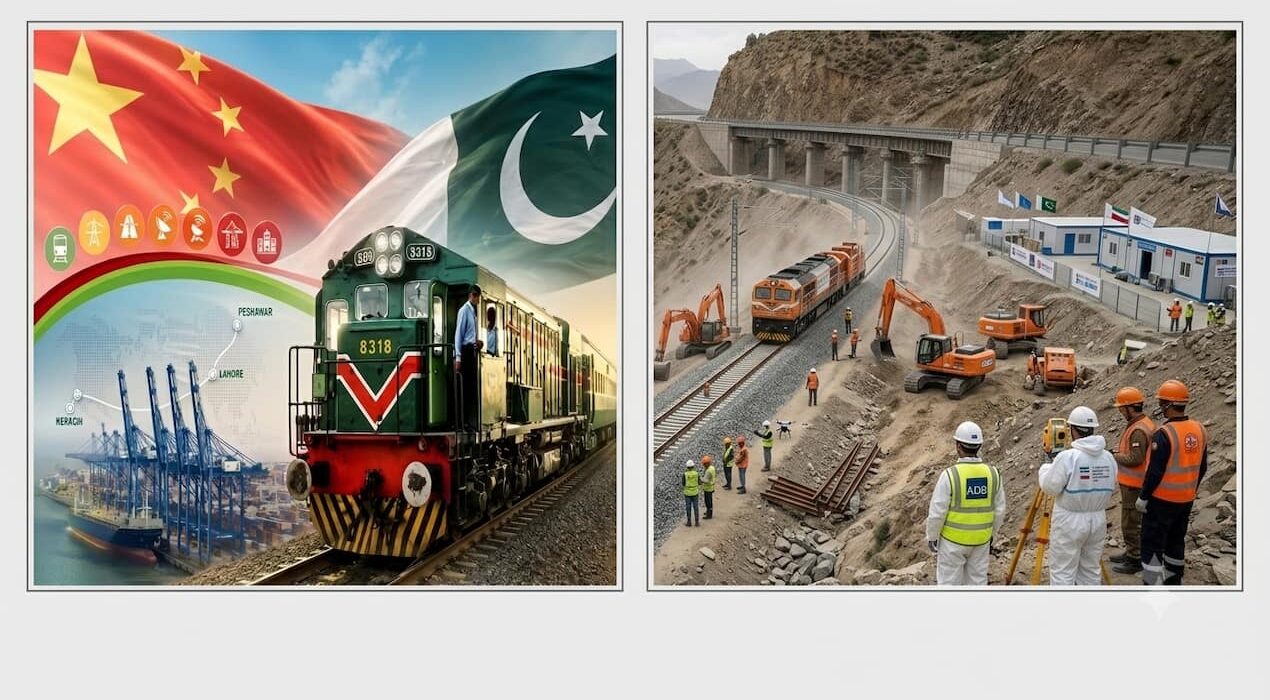
The ML-1 project is no longer part of the China-Pakistan Economic Corridor (CPEC), the federal government informed lawmakers on Friday. Officials said Pakistan will now seek financing from the Asian Development Bank (ADB) and other international financial institutions. The announcement came during a meeting of the Senate Standing Committee on Economic Affairs. The decision marks a major shift in the government’s strategy for one of the country’s largest infrastructure projects.
Economic Affairs Secretary Hameer Karim told the committee that the project was initially planned under the CPEC framework. The government had estimated the cost at around $7.7 billion. However, authorities have now separated the project from CPEC and started exploring alternative funding sources. Therefore, multilateral lenders have emerged as the preferred option for financing the scheme.
Government Pursues New Financing Plan
The ML-1 project aims to modernize Pakistan’s main railway line from Karachi to Peshawar. The project includes track replacement, upgraded signaling systems and improved freight services. In addition, it seeks to increase train speeds and enhance passenger safety across the network.
Officials described the project as the largest railway modernisation initiative in Pakistan’s history. However, financing challenges and cost negotiations delayed progress for several years. As a result, the government has now turned to international lending institutions to move the project forward.
The Senate committee requested detailed information about the revised financing structure. Members also questioned officials about legal matters linked to foreign-funded projects.
Lawmakers Seek Progress Updates
Meanwhile, the National Assembly Standing Committee on Railways reviewed the performance of Pakistan Railways. Lawmakers directed officials to submit reports on railway land encroachments and the implementation of the railway restructuring plan.
The committee also discussed recent railway accidents, including the Shalimar Express collision and the Tezgam derailment. Pakistan Railways briefed members on departmental inquiries and disciplinary action taken against responsible officials.
Furthermore, lawmakers sought updates on the ML-1 project and the Pipri Marshalling Yard project. They instructed the Ministry of Railways to present a comprehensive progress report at the next meeting. Members stressed that timely completion of the ML-1 project remains vital for improving Pakistan’s transport infrastructure and boosting economic connectivity across the country.