AI in Higher Education Brings New Challenges Beyond Better Writing
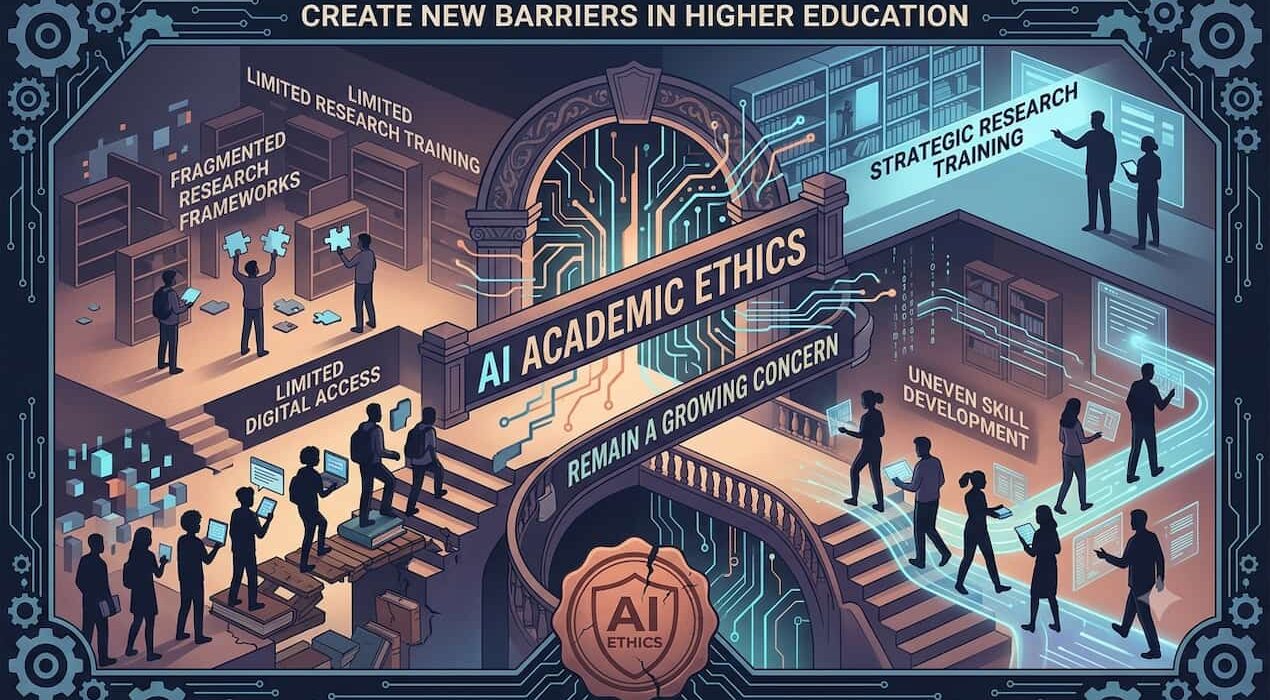
Artificial intelligence is changing how students and researchers write, learn and conduct research. Many people believe the technology helps those who struggle with English. As a result, AI appears to make higher education more accessible. However, the benefits often depend on digital skills and academic knowledge that not everyone possesses. Therefore, AI can reduce language barriers while creating new ethical and academic challenges.
Teachers and journal editors increasingly see students relying on AI for assignments, research proposals and academic papers. Although AI tools are widely available, not everyone knows how to use them responsibly. Many users cannot verify sources, identify fabricated references or understand academic integrity. Consequently, they may submit inaccurate work without realizing the risks.
Digital Skills Matter More Than Ever
Effective AI use requires more than writing prompts. Students also need research skills, ethical awareness and the ability to evaluate information critically. For example, many users assume AI always provides correct answers. Others fail to recognize that AI can invent references or generate misleading content.
In addition, some researchers do not understand the difference between language editing and producing original academic work. Without proper guidance, they often depend too heavily on AI. As a result, they risk plagiarism, poor-quality research and disciplinary action. Strong research training remains essential despite rapid advances in artificial intelligence.
Better Training Can Reduce Academic Risks
Many universities have introduced guidelines that allow AI only for language improvement while requiring researchers to write their own work. These rules promote academic integrity. However, awareness remains limited because many students receive little formal training in research methods or publication ethics.
Furthermore, pressure to publish frequently encourages some academics to take shortcuts. Heavy teaching loads and career expectations also contribute to unethical practices. AI makes it even easier to produce large amounts of text quickly.
Universities can address these challenges by offering practical training on AI use, research ethics and critical thinking. Students should learn how to evaluate information instead of relying entirely on technology. Ultimately, AI should support learning rather than replace academic skills. Responsible use, combined with strong research training, will help ensure that artificial intelligence improves higher education without compromising academic integrity.