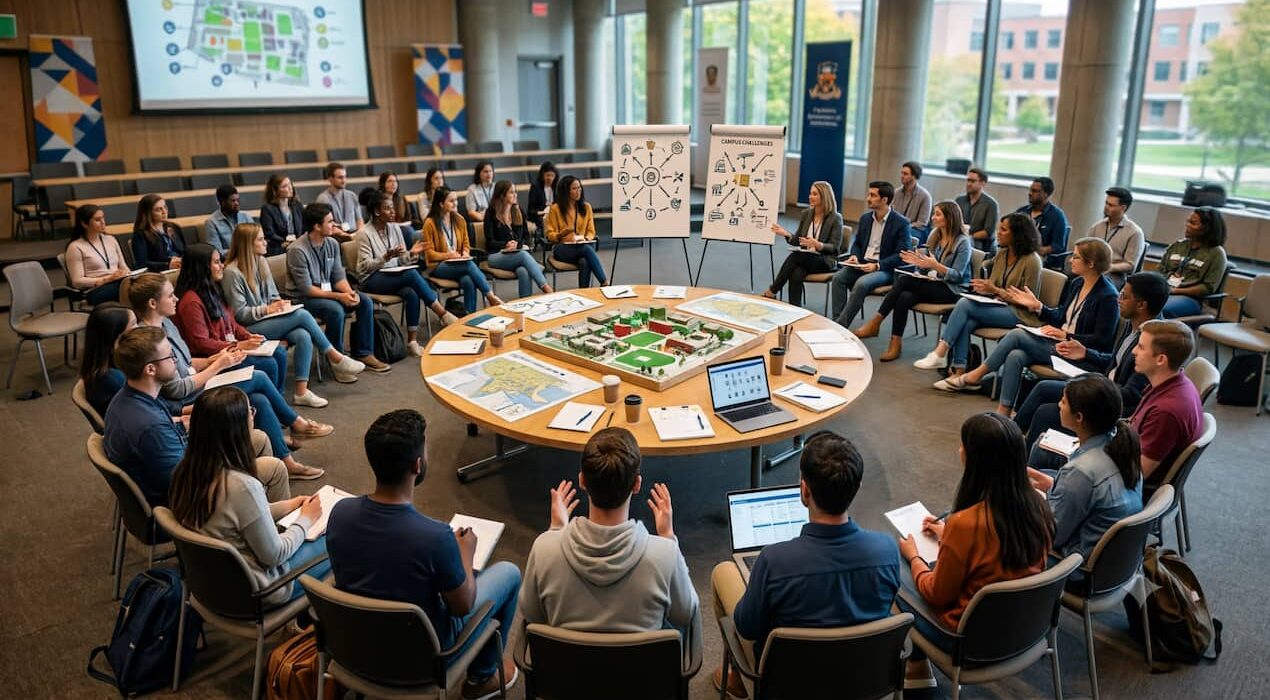
University Citizens Assembly: A New Way to Solve Campus Challenges
A University citizens assembly could offer a fresh way to solve complex campus challenges. Instead of relying only on senior leaders, universities can involve students, academics, and professional staff in important decisions. Therefore, many education experts believe this approach can improve trust, strengthen cooperation, and produce practical solutions. A recent initiative at the University of Westminster has shown how this model can support meaningful change.
Bringing every voice to the table
The University of Westminster created a citizens’ assembly to examine its climate policy. The initiative brought together people from different parts of the university, including students, lecturers, researchers, and support staff. Each participant shared ideas, discussed evidence, and worked with others to develop recommendations.
Unlike traditional meetings, the assembly encouraged open discussion and equal participation. As a result, everyone had the opportunity to contribute, regardless of their role. Participants said the process created a respectful environment where different opinions received equal attention. In addition, they believed the discussions produced more balanced and informed decisions.
Many participants also said the model could address other university issues. For example, institutions could use similar assemblies to discuss student wellbeing, funding, campus development, equality, or artificial intelligence in education. Experts believe shared decision-making can help universities respond more effectively to changing academic and social needs.
A model for future university reforms
Supporters say citizens’ assemblies build stronger relationships across campuses. They encourage transparency and increase confidence in university leadership. Moreover, they help decision-makers understand concerns from different groups before introducing new policies.
The Westminster experience suggests that universities can benefit from collaborative problem-solving. However, organizers stressed that successful assemblies require careful planning, clear objectives, and a commitment to listening. Participants also need access to reliable information before making recommendations.
Education experts believe the approach can complement existing governance systems rather than replace them. Therefore, universities can combine expert knowledge with community participation to achieve better outcomes.
The University citizens assembly model may not solve every challenge overnight. However, it offers an inclusive way to involve the entire academic community in shaping the future of higher education. As universities face growing financial, environmental, and technological pressures, collaborative decision-making could become an important tool for lasting institutional improvement.