Punjab Digital Health Census Nears Completion as 94 Million Citizen Profiles Registered
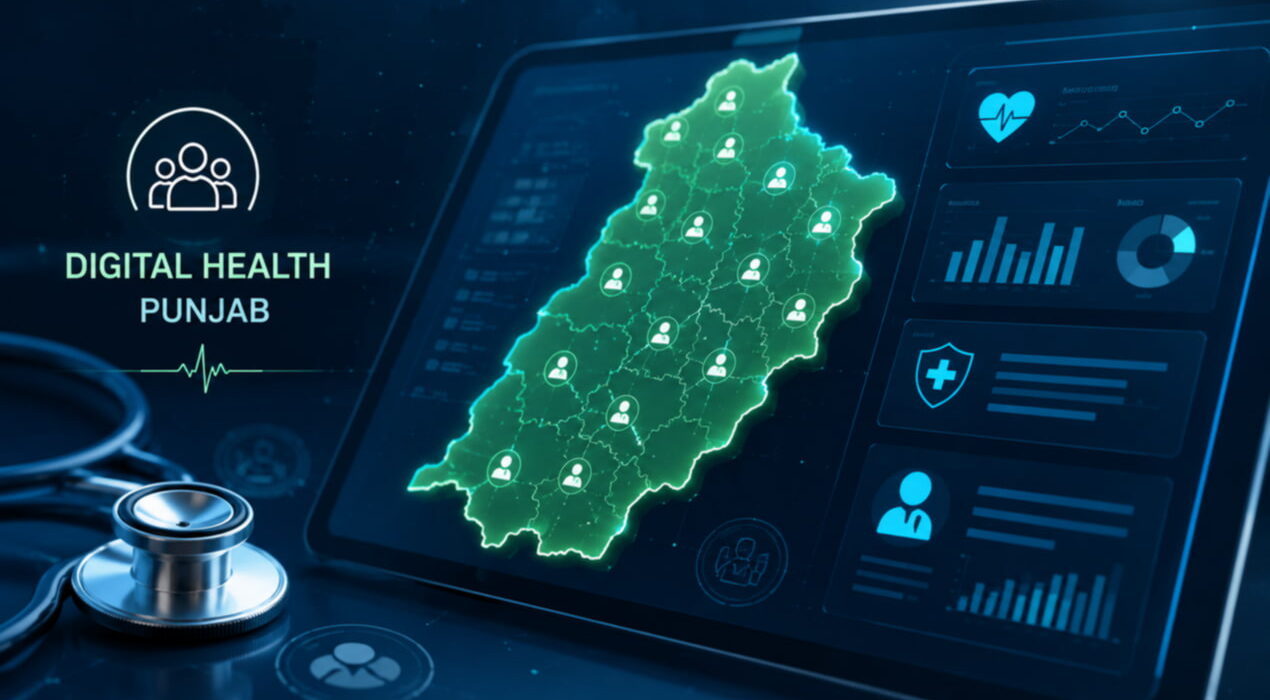
Punjab’s Punjab health census is close to completion after the government digitally registered health and demographic profiles of more than 94.3 million citizens. The project aims to improve healthcare planning through verified information instead of estimates. Officials say the initiative will help deliver faster and more effective public health services across the province.
Digital Mapping Expands Across Punjab
Officials told Chief Minister Maryam Nawaz that over 85 percent of residents in 18 districts have been covered. In addition, five districts achieved full coverage, while five others crossed the 95 percent mark.
Every household received a unique identification number through digital mapping. Furthermore, 14,300 community health inspectors visited homes to collect medical, demographic, lifestyle, and socio-economic information. The digital dashboard also records drinking water access, disabilities, and other key indicators.
Better Healthcare Through Verified Data
The chief minister said reliable information is essential for effective healthcare policies. Therefore, future planning will rely on verified digital records instead of estimates. She added that accurate data will help authorities identify patient numbers and medicine requirements in every area.
Meanwhile, the government announced that 16 cardiac catheterization laboratories will become operational by December. Five labs already provide services, while facilities in Bhakkar, Bahawalnagar, and Layyah will open soon. Officials must also submit weekly performance reports and improve medicine home delivery services.
New Healthcare Programmes Planned
The meeting reviewed a proposal for the Maryam Nawaz Sehatmand Gharana Programme. Under this plan, citizens will connect directly with primary healthcare centers. As a result, hospital visits could decrease. Patients with diabetes, hypertension, hepatitis, cancer, and malnutrition will receive digital follow-up monitoring.
Finally, the government will establish a disaster recovery site to protect health records. Officials also welcomed negative environmental polio samples from 19 districts and praised frontline workers for protecting children from the disease.