Valika Hospital HIV Outbreak Linked to Reused Syringes, Inquiry Report Finds
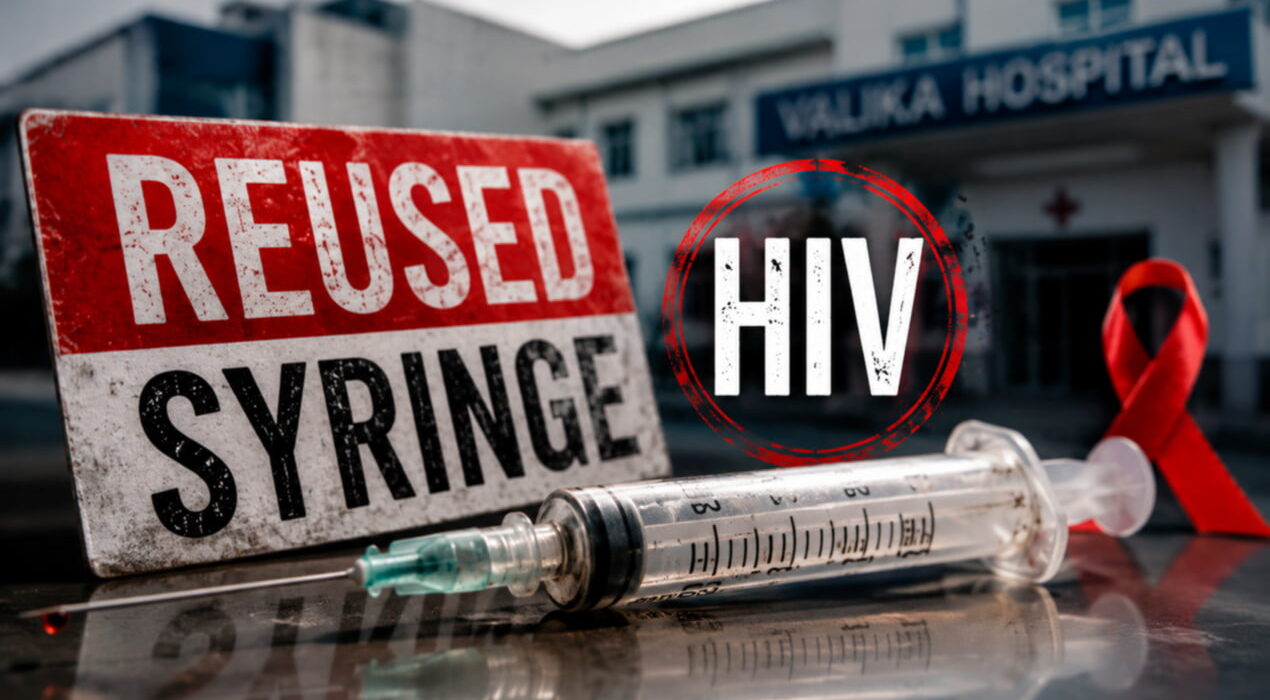
An inquiry report has identified the Valika Hospital HIV outbreak as the result of reused syringes at Karachi’s government-run Kulsum Bai Valika Social Security SITE Hospital. Officials said the outbreak has affected 104 people, including 95 children. The findings have raised serious concerns about infection control and patient safety across public healthcare facilities.
According to the report, hospital staff allegedly used a single 10cc syringe on several newborns. As a result, HIV spread among patients receiving treatment. In addition, the report stated that the World Health Organization had raised concerns about infections at the hospital in November last year. Health officials later confirmed more than 100 linked cases.
Inquiry reveals serious lapses
A federal team visited the hospital and nearby communities after the outbreak became public. The team also met hospital officials and families of affected children. Therefore, it recommended an independent investigation into the incident.
Meanwhile, the Sindh High Court directed the provincial government to submit a detailed report within two weeks. During the hearing, parents of HIV-positive children urged authorities to hold those responsible accountable. They argued that contaminated syringes exposed many children to the virus.
Government responds with new measures
Earlier this year, Federal Health Minister Syed Mustafa Kamal said reused syringes caused the outbreak. He also announced a nationwide ban on five syringe types after HIV cases increased in different parts of Pakistan. Furthermore, officials reported additional infections in Islamabad and Taunsa.
Latest case keeps concerns alive
On July 1, a three-year-old girl from Karachi also tested positive for HIV after three laboratory tests confirmed the infection. Her family said she had received treatment at Valika Hospital before her health worsened. As investigations continue, health experts stress the need for strict infection control, safe injection practices, and stronger hospital oversight to protect every patient and restore public confidence.