Gut-Brain Memory Link: Stanford Study Reverses Age-Related Memory Loss in Mice
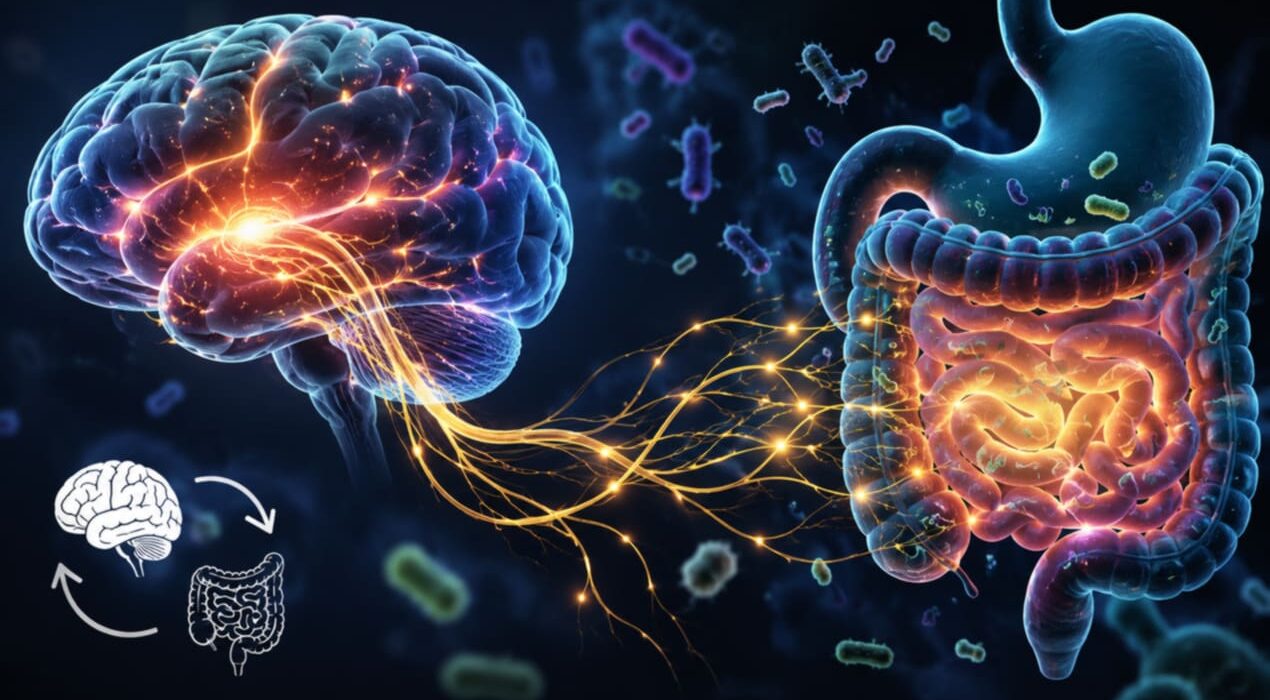
Aging may affect memory through the gut instead of the brain alone, according to new Stanford Medicine and Arc Institute research. The Gut-Brain Memory connection changed in older mice, reducing communication between the intestines and the brain. However, restoring those signals helped older mice remember objects and solve mazes as well as younger animals.
Gut bacteria influence memory
Researchers found that aging changes the gut microbiome, which is the community of bacteria living in the intestines. As these bacteria shift, immune cells trigger inflammation that weakens signals traveling through the vagus nerve. This nerve connects the gut with the hippocampus, the brain region responsible for learning and memory.
Scientists stimulated vagus nerve activity in older mice. As a result, the animals regained strong memory performance. In addition, young mice exposed to gut bacteria from older mice also developed memory problems. These findings suggest that gut health plays a key role in cognitive aging.
Scientists identify a possible trigger
The team also discovered that one bacterial species, Parabacteroides goldsteinii, became more common in older mice. Young mice carrying this bacterium performed worse in memory tests and showed lower hippocampus activity. However, treating mice with broad-spectrum antibiotics restored their memory abilities.
Furthermore, mice raised without gut bacteria did not develop age-related memory decline. Even older germ-free mice performed as well as young mice. Therefore, researchers believe specific gut microbes directly influence brain function.
New hope for future treatments
The researchers believe memory decline is not fixed and may be reversible. Because the gut is easy to target through diet or medicines, future treatments could improve brain health without directly treating the brain.
Although these findings come from mice, they highlight a promising direction for future human research. Scientists now hope to explore whether adjusting the gut microbiome can help protect memory and support healthy aging in people.