Karachi HIV Cases: Why Are Children Getting Infected?
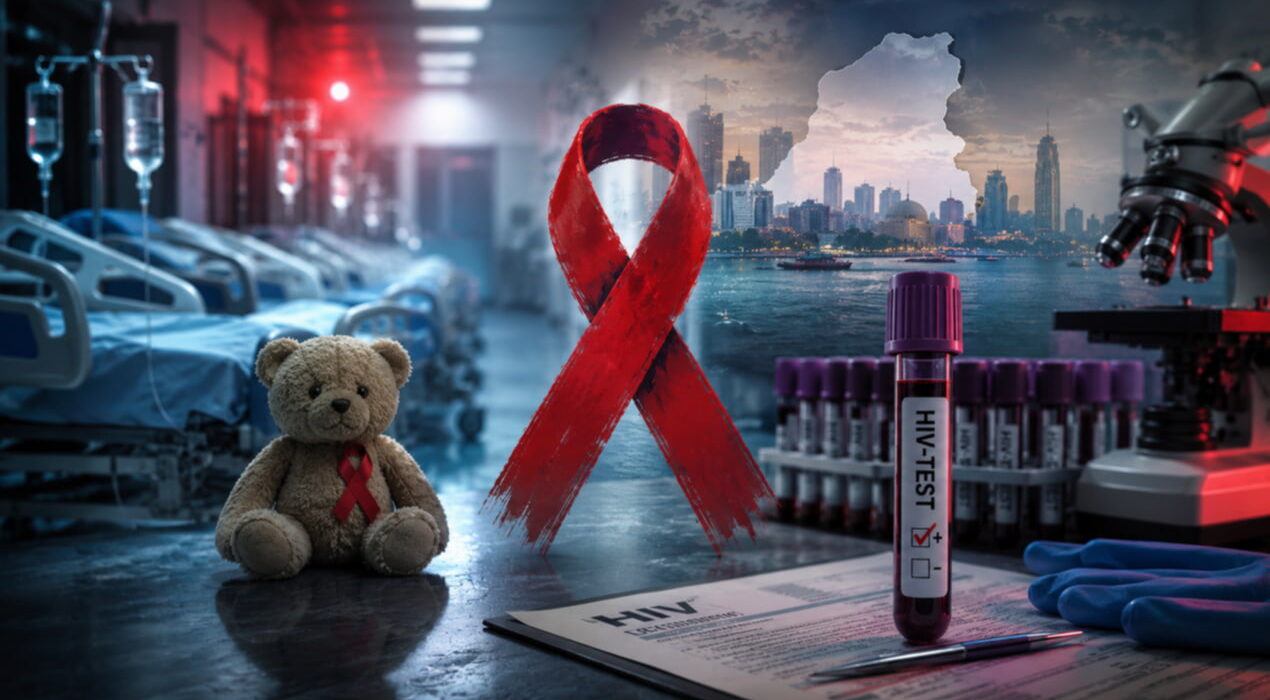
Karachi is facing growing concern after more than 100 children tested positive for Karachi HIV children infections. The children belong to the same neighborhood and received treatment at a local hospital during the past nine months. Residents also claim that nine children have died over the last year. Therefore, health experts are urging authorities to act quickly. They believe the issue goes beyond a medical emergency. Instead, they say it reflects serious weaknesses in healthcare management and public oversight. Families now want answers, while doctors stress the need for immediate action. In addition, they demand transparent investigations and stronger protection for every child. Public confidence depends on timely action and honest communication from health officials.
Unsafe Injection Practices Raise Risks
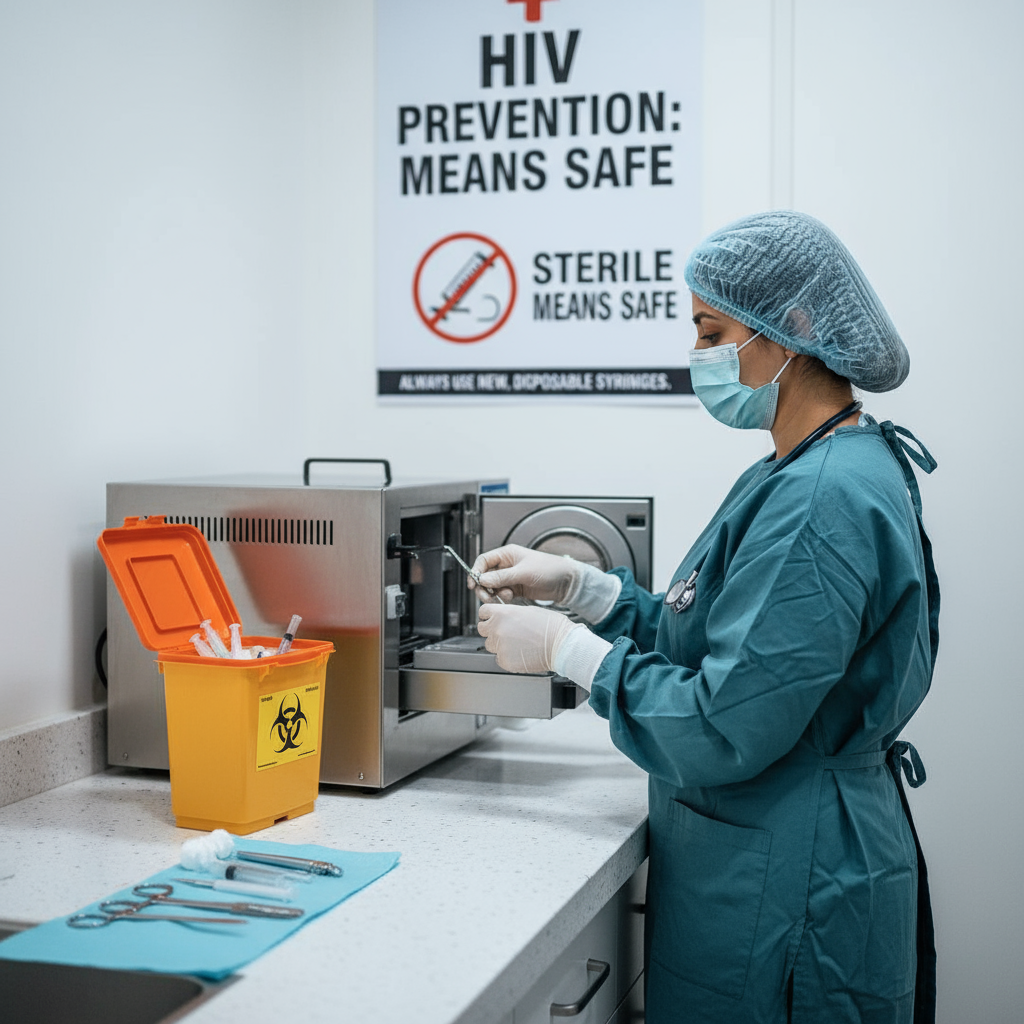
Former World Health Organization official Dr. Zafar Mirza explained that Pakistan created a national task force after the 2019 Ratodero HIV outbreak. The initiative aimed to improve injection safety across the country. As a result, authorities banned the reuse of disposable syringes. However, illegal reuse still happens in some places. This dangerous practice can spread HIV and other serious diseases. Experts believe strict enforcement is essential. They also recommend regular inspections and better training for healthcare workers. Furthermore, communities should receive awareness about safe medical practices. These measures can reduce preventable infections and improve patient safety.
Better Blood Screening and Accountability Needed
Dr. Mirza also highlighted concerns about blood transfusions. Every donated blood sample should undergo screening for HIV, hepatitis B, hepatitis C, syphilis, and malaria before use. However, weak monitoring sometimes allows unsafe blood to reach patients, especially children. He added that authorities should focus on identifying the real causes instead of controlling public discussion. Moreover, experts believe transparent reporting builds public trust. Strong accountability, effective inspections, and improved healthcare standards can help prevent future outbreaks. As a result, families will feel safer, and Pakistan can strengthen its public health system for everyone