Karachi HIV Outbreak: 78 Children Infected as Screening Expands
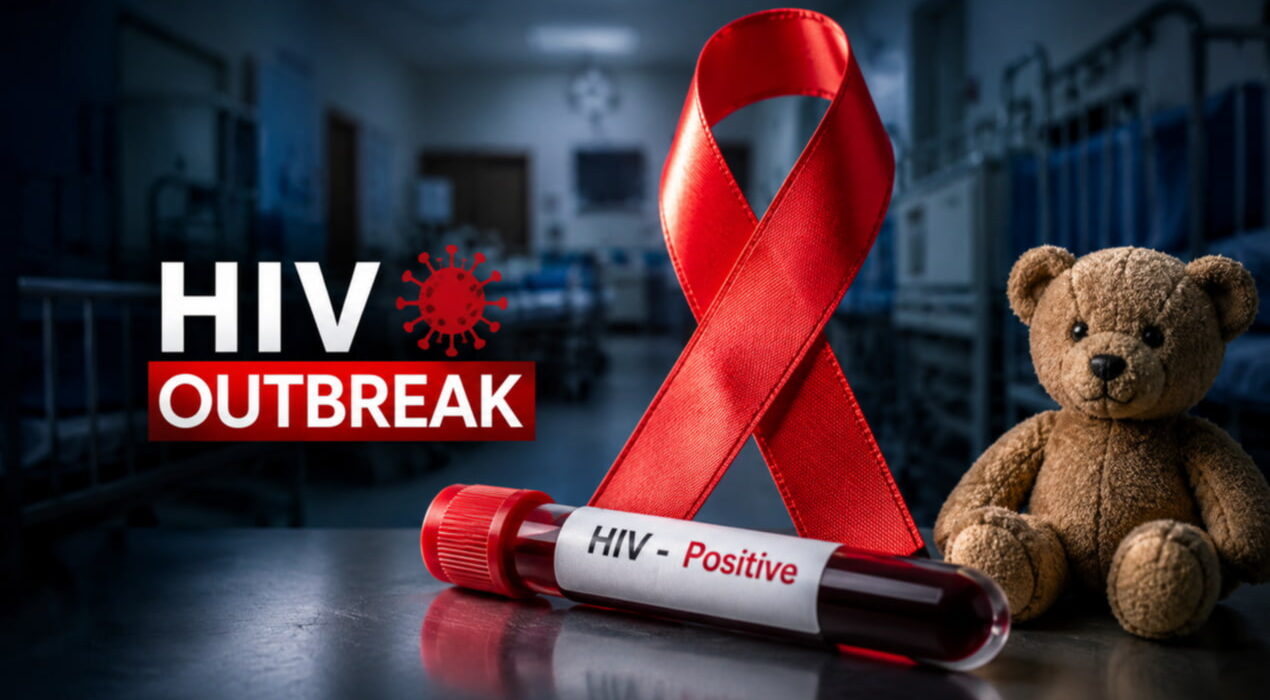
The Karachi HIV outbreak has raised serious concerns after health officials confirmed 78 children contracted HIV. The Sindh government linked the cases to SESSI-run Valika Hospital. Authorities have started investigations and promised lifelong treatment for every affected patient.
Officials said six infected children have died. Many families now face emotional, financial, and social challenges. In some homes, more than one child tested positive. Therefore, parents continue to seek justice and long-term support. The government also stressed that patient identities will remain confidential to reduce stigma.
Screening Continues as Treatment Expands
Health authorities launched a screening campaign in October 2025. Since then, they have screened more than 10,500 people near the hospital. As a result, officials confirmed 120 HIV-positive cases. Another screening drive in Landhi tested about 2,000 residents and identified 10 additional cases.
Meanwhile, the government continues treatment for all infected patients without cost. The 78 children receive care at leading hospitals, including Indus Hospital, Aga Khan University Hospital, and Dow University of Health Sciences. In addition, Sindh created a Rs2 billion endowment fund to support long-term treatment. Medical experts will supervise patient care and monitor the fund.
Inquiry, Court Action and Prevention Measures
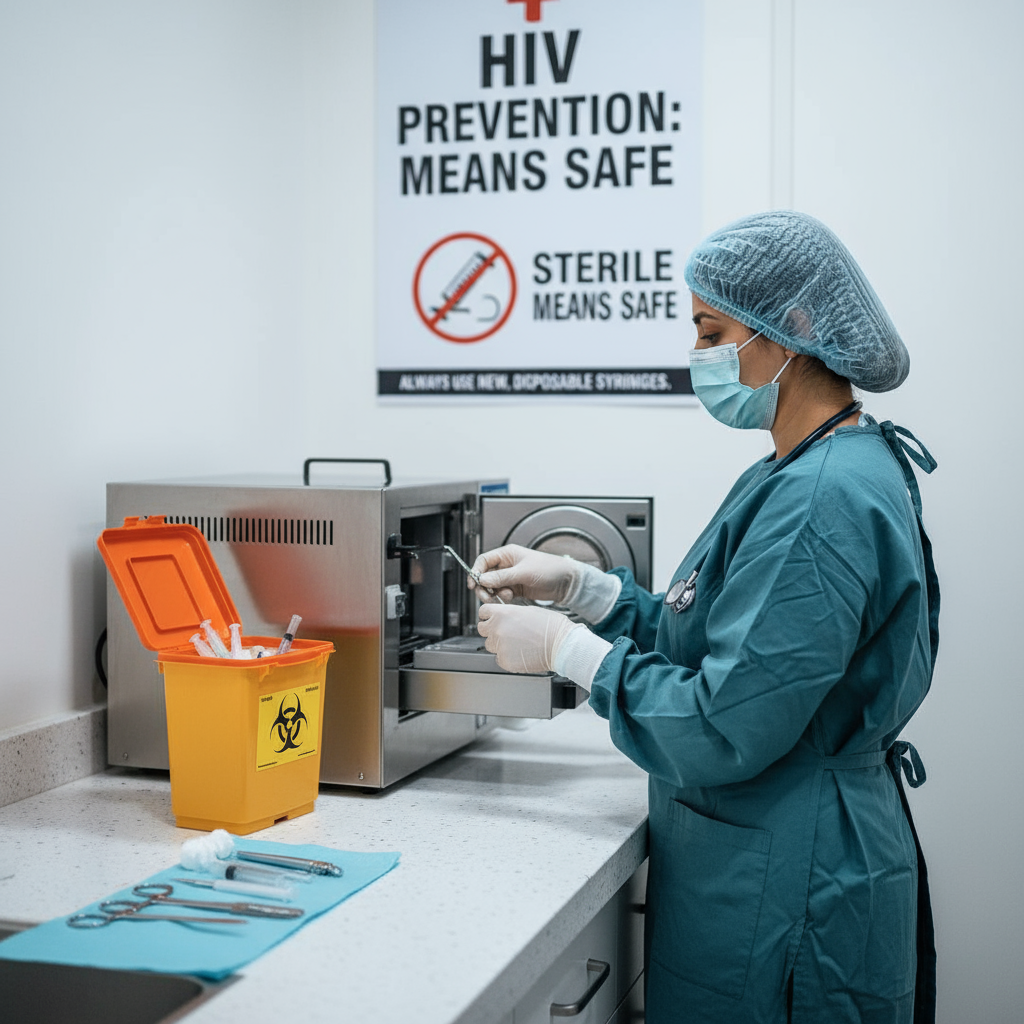
Investigators are examining claims that hospital staff reused syringes and mishandled medical waste. Officials also suspended 37 employees, including senior staff members. Furthermore, legal action will follow if negligence is confirmed.
The Sindh High Court has requested a detailed government report within two weeks. Officials said screening will continue because early detection improves treatment. Medical experts also urged all healthcare providers to use new syringes and strengthen infection-control measures. They believe these steps can reduce future outbreaks. Families, however, still await accountability while hoping affected children receive continuous care and compassionate support throughout their lives.