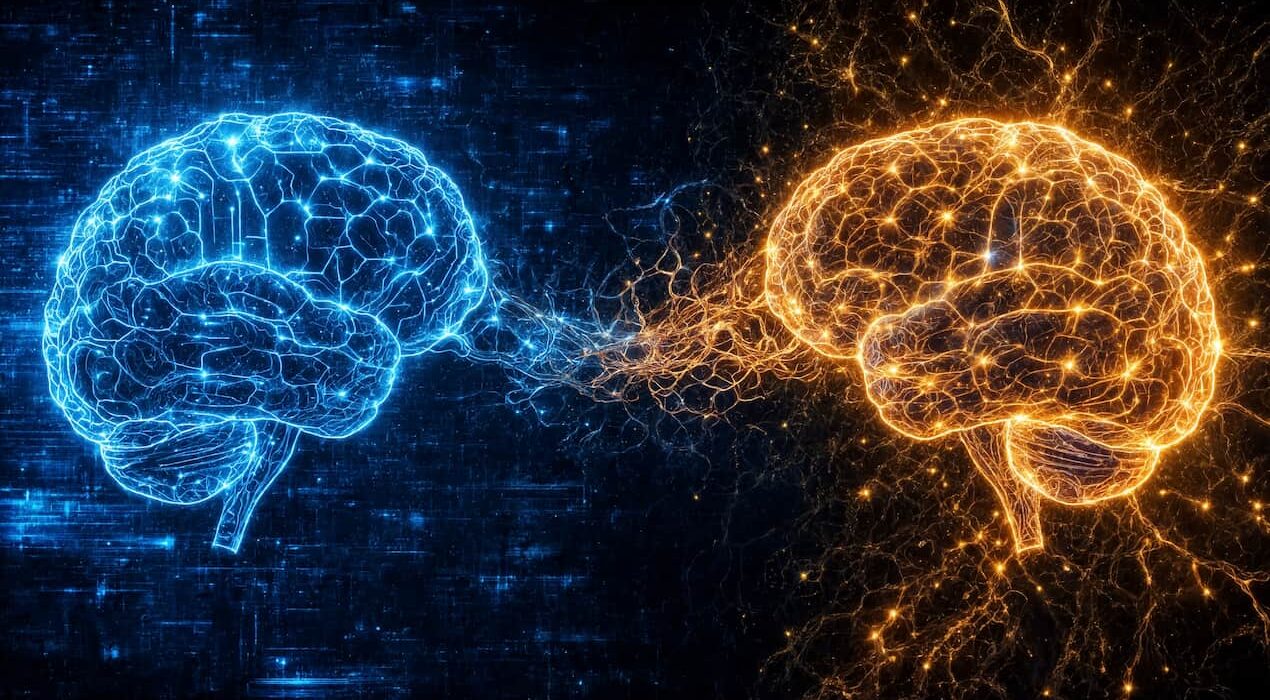
Brain-Like AI Models May Not Think Like Humans
Scientists have found that brain-like AI models may not think like the human brain after all. A new study reveals important differences in how artificial intelligence and primates process visual information. The findings could reshape future AI and neuroscience research.Many researchers believed modern AI closely copied the brain’s visual system. However, the latest evidence suggests that similarity may only appear on the surface. AI often reaches the correct answer using different internal processes.
A New Test Reveals Hidden Differences
Researchers at York University developed a reverse prediction test. Instead of asking whether AI predicts brain activity, they reversed the question. They tested whether brain activity could predict what happened inside AI models.The team analyzed more than 1,600 images. These included animals, vehicles, household objects, drawings, outlines, and artistic versions. The broad image set helped measure AI performance across many visual styles.The results surprised the researchers. AI accurately predicted brain activity during object recognition. However, brain activity failed to predict many of the AI model’s internal features.Scientists also compared brain activity between different primates. Those comparisons showed much stronger agreement than comparisons between brains and AI systems. Therefore, today’s AI models likely rely on visual strategies the brain does not use.
Why the Findings Matter
Researchers often use AI to study human perception and brain function. Consequently, inaccurate models could lead to misleading scientific conclusions. Better AI models may improve research into autism, post-traumatic stress disorder, and other neurological conditions.The new testing method helps scientists identify which AI components truly resemble biological vision. As researchers refine these systems, future AI may better reflect how the human brain understands the world.