KP Free Insulin Program Brings Better Type 1 Diabetes Care for Children
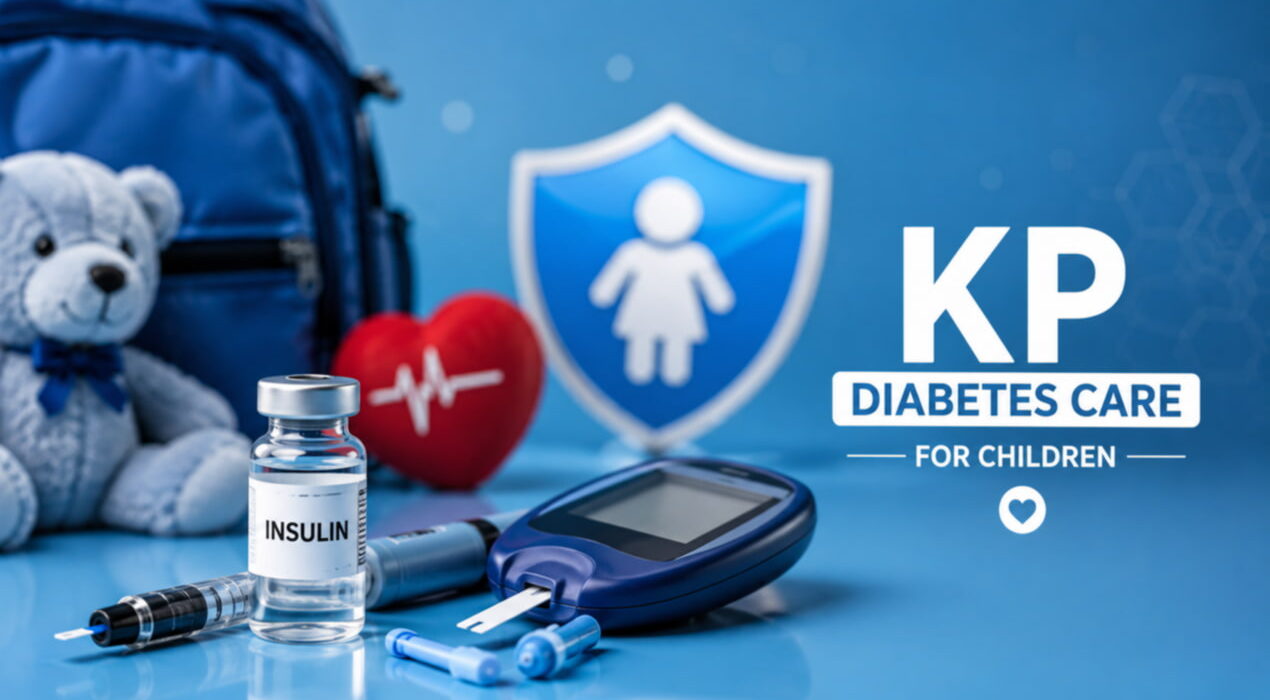
The KP Free Insulin Program has started to improve care for children living with Type 1 diabetes across Khyber Pakhtunkhwa. The provincial government launched this three-year initiative with the Health Department, the Pakistan Endocrine Society, and private partners. It offers free insulin, specialist treatment, telemedicine, family education, and digital follow-up for eligible children.
Health officials will screen 500,000 schoolchildren and 200,000 visitors at healthcare facilities. In addition, the program will train 140 doctors and 560 paramedics. These efforts aim to improve early diagnosis and provide timely treatment throughout the province.
Better Care Through Digital Health
Authorities expect to register around 2,265 children with Type 1 diabetes. They also plan to establish insulin banks and create a digital patient registry. As a result, healthcare teams can monitor patients more effectively and improve future planning.
The program uses the SMILE digital care model, developed by endocrinologist Dr. Syed Abbas Raza. The platform supports patient registration, electronic medical records, telemedicine consultations, diabetes education, and long-term follow-up. Furthermore, Dr. Raza will help train healthcare professionals in evidence-based diabetes care.
Complete Support Beyond Insulin
Program Director Dr. Ibrar Ahmed explained that children need much more than insulin alone. They also require regular monitoring, healthy nutrition, emotional support, and specialist care. Therefore, the initiative combines all these services into one coordinated healthcare system.
The program includes treatment guidelines and structured education for patients and caregivers. Children under 15 will receive care from pediatric endocrinologists. Later, young people will move to adult specialists through a planned transition pathway with regular follow-up.
A Model for Future Diabetes Care
The initiative will also provide laboratory tests, blood glucose monitoring, virtual consultations, and scheduled checkups. Deserving children may receive glucometers, test strips, and continuous glucose monitoring devices. In addition, peer-support groups will guide families through daily diabetes management. Officials believe this program could become a national model for improving Type 1 diabetes care across Pakistan.