Repeated HIV Outbreaks Highlight Healthcare Gaps in Sindh
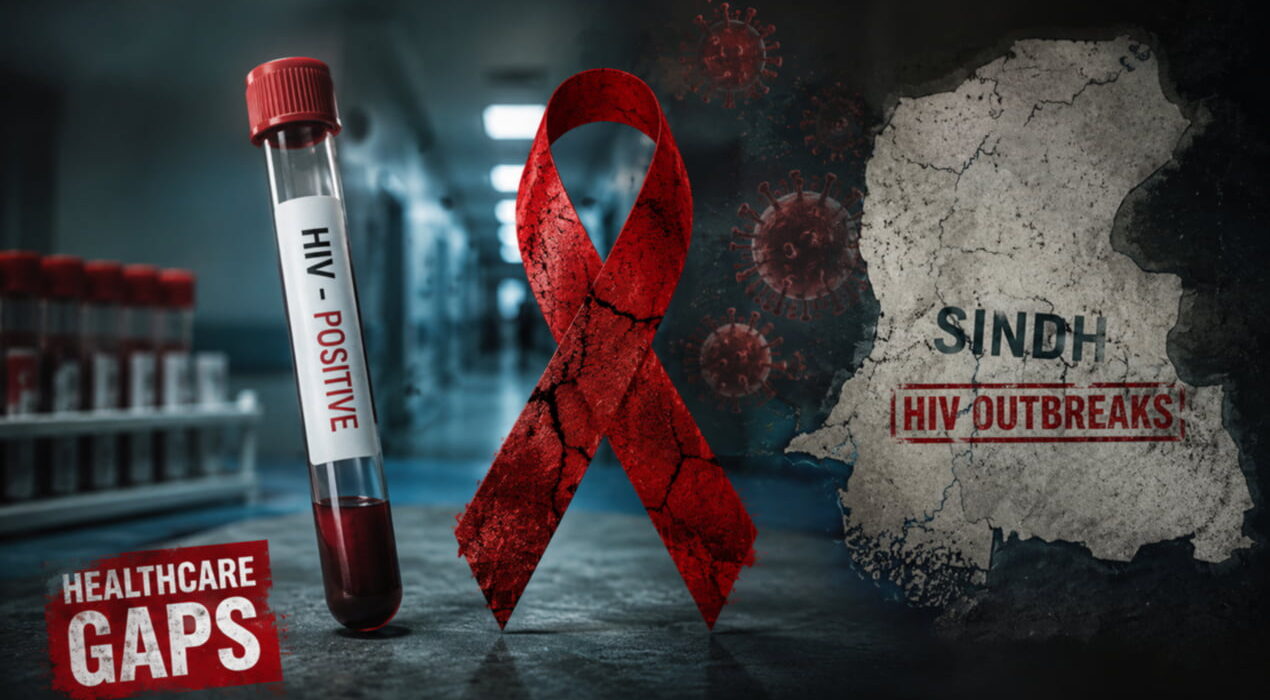
Sindh has faced repeated HIV outbreaks Sindh in the past decade, raising concerns about healthcare safety and infection control. Experts say weak monitoring, unsafe medical practices, and poor regulation continue to create risks for communities.
The province has experienced four major HIV outbreaks since 2016. These incidents have exposed gaps in blood screening, syringe safety, and healthcare facility management. Therefore, health experts are calling for long-term solutions instead of temporary actions.
Early Outbreaks Raised Serious Concerns
The first major HIV outbreak appeared in Larkana in 2016. Several dialysis patients tested positive for HIV, which led to questions about blood safety and medical procedures.
Authorities reviewed blood banks and healthcare practices after the incident. However, experts say many planned reforms were not fully implemented.
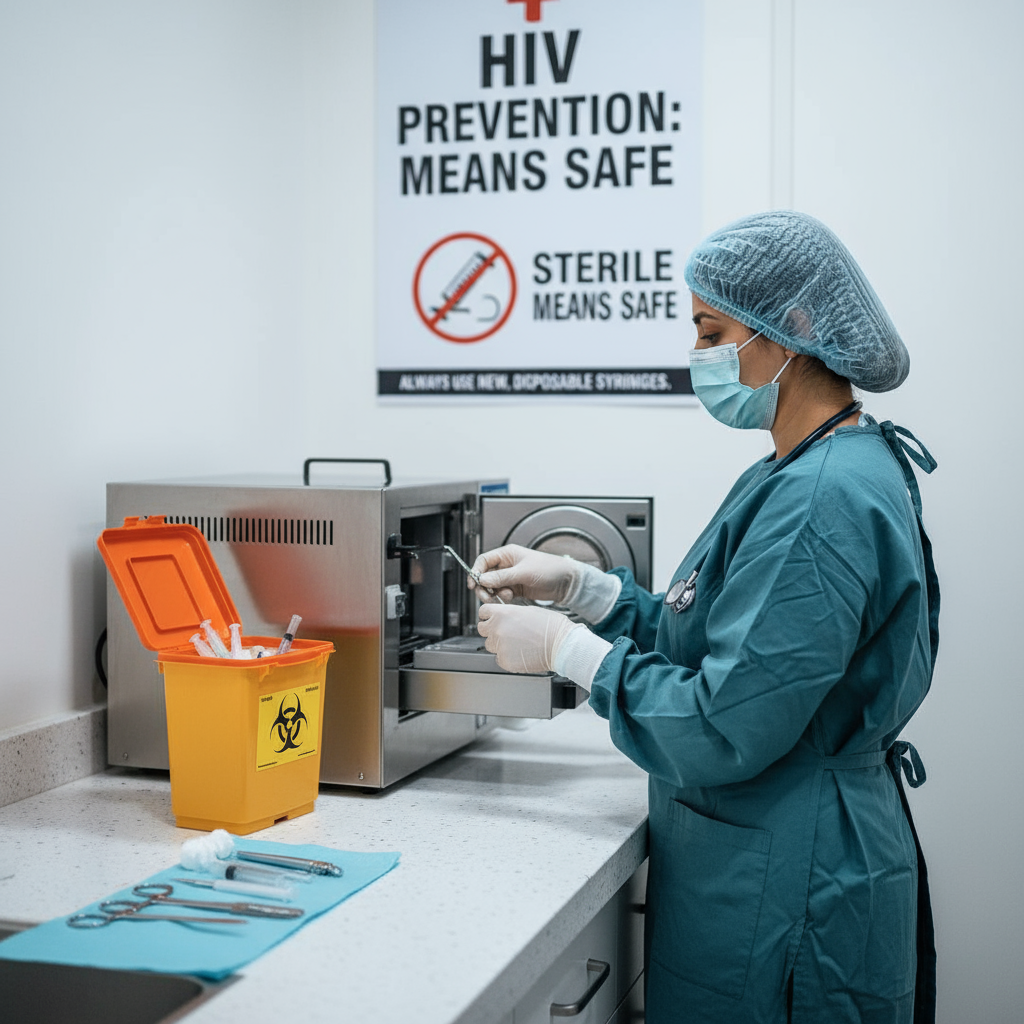
In 2019, Ratodero faced one of Pakistan’s largest HIV outbreaks. More than 1,000 people became infected, and most patients were children. Investigations linked the spread to unsafe injections and reused contaminated syringes.
Recent Cases Show Ongoing Challenges
New HIV cases among children have continued to raise concerns in Sindh. In May 2026, more than two dozen HIV-positive children reached a medical facility in Khairpur.
Similarly, pediatric HIV cases appeared at Karachi’s Kulsum Bai Valika Hospital from late 2025. Authorities took action against responsible individuals. However, experts believe stronger healthcare reforms are needed.
Specialists say unsafe injections, weak infection control, and limited monitoring remain major challenges. These problems can increase the risk of preventable infections.
Experts Demand Long-Term Healthcare Reforms
Health professionals warn that repeated outbreaks show the need for better systems. For example, healthcare facilities require strict safety checks and regular monitoring.
The Medical Microbiology and Infectious Diseases Society of Pakistan reported a rise in HIV cases across the country. The report stated that many people living with HIV remain undiagnosed and untreated.
Therefore, experts stress early testing, safe medical practices, and better access to treatment. Strong reforms can help protect patients and prevent future outbreaks.