Pakistan Circular Debt Rises Despite Power Sector Reforms
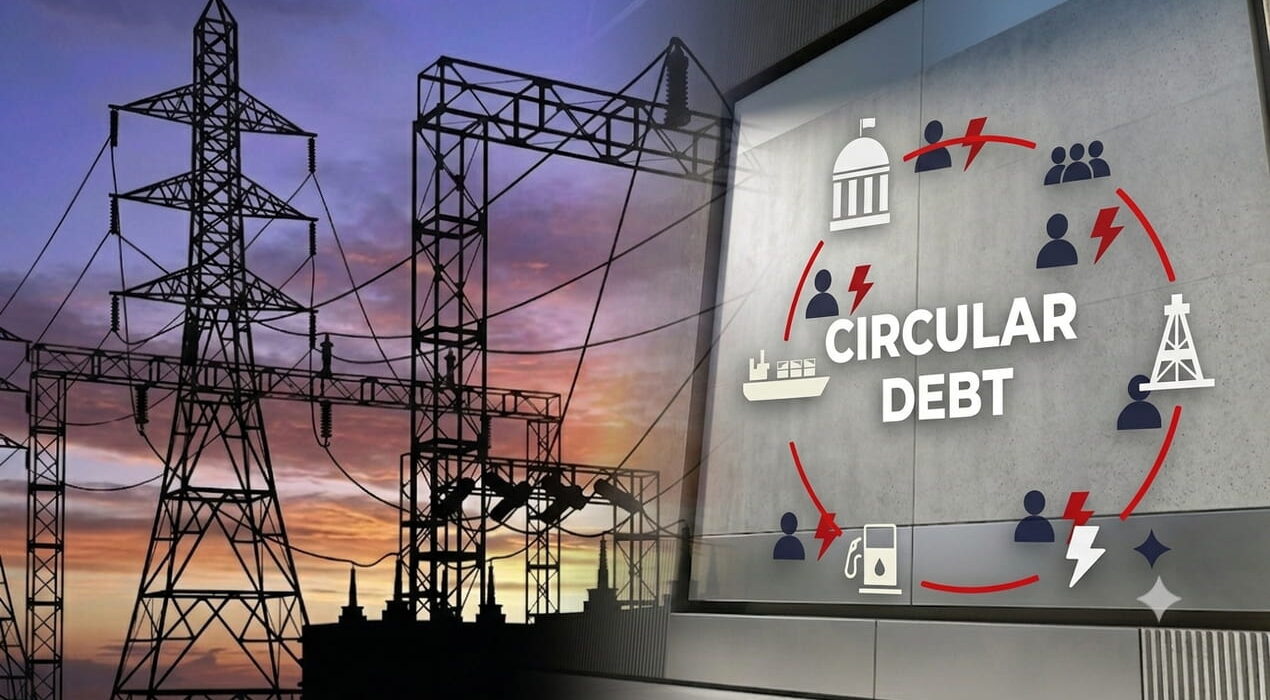
Pakistan circular debt increased by Rs61 billion in fiscal year 2025-26. This rise followed a cut in government funding. As a result, reform gains could not fully reduce the burden. The government had set aside Rs893 billion for the power sector. However, it later reduced this allocation by Rs98 billion. Therefore, the funding gap pushed debt higher during the year. Officials said full funding could have lowered the debt further. In fact, it might have dropped to Rs1.577 trillion. Instead, reduced support limited the impact of reforms.
One-Time Fiscal Decision
The Power Division called the funding cut a one-time move. Moreover, it clarified that performance has not weakened. This means the sector continues to operate efficiently. Leaders stressed that reforms are still active. They aim to improve systems and reduce inefficiencies. As a result, the sector remains on a recovery path. Earlier, reforms delivered strong results. For example, circular debt fell by Rs779 billion in FY2024-25. This was one of the largest annual declines in recent years. The total dropped to Rs1.614 trillion from Rs2.393 trillion. Therefore, the overall trend still shows improvement. These gains reflect consistent policy efforts.
DISCO Losses Continue to Fall
Power distribution companies, or DISCOs, also improved performance. Their losses declined to Rs326 billion in FY2025-26. In comparison, losses were Rs397 billion the previous year. Earlier, losses stood at Rs591 billion in FY2023-24. As a result, total losses dropped by Rs265 billion over two years. This shows steady progress in financial control. Officials linked this change to structural reforms. These include better billing and recovery systems. In addition, improved monitoring reduced electricity theft.
Future Outlook for Energy Sector
A spokesperson said reforms are strengthening financial health. The government remains focused on long-term stability. Therefore, efforts will continue to control Pakistan circular debt. The sector still faces challenges. However, steady reforms provide hope for improvement. With consistent support, further progress is achievable.