Solar Battery Incentive Proposed to Reward Peak-Hour Power Supply
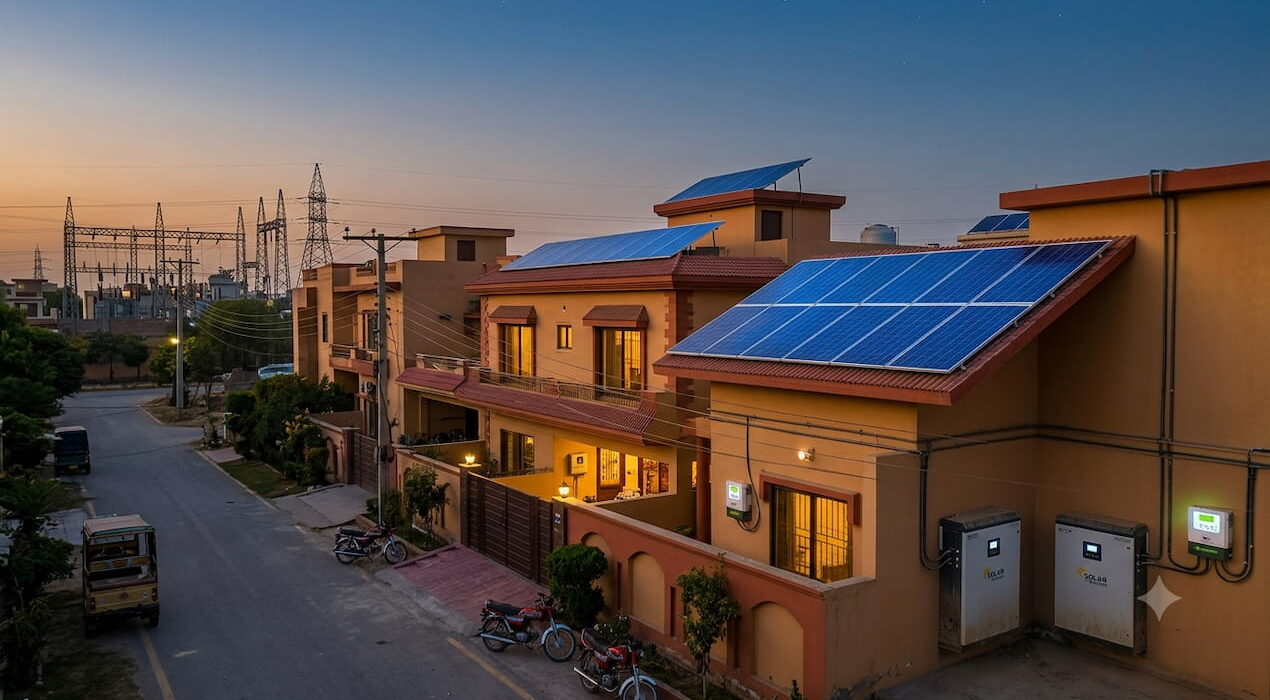
The government has proposed a solar battery incentive to encourage consumers to supply stored electricity during evening peak hours. The Power Division wants to introduce a new Time-of-Use (ToU) net metering and net billing system. Under the proposal, solar users with battery storage could earn an extra Rs. 18 to Rs. 22 per kilowatt-hour between 5 PM and 10 PM. As a result, the plan could help reduce pressure on the national electricity grid.
Pakistan’s evening electricity demand now exceeds 26,000 megawatts. Therefore, power companies face increasing challenges in meeting peak-hour demand. Officials believe battery storage can provide a practical solution by shifting daytime solar energy to the evening when electricity demand reaches its highest level.
Battery Storage Market Grows Rapidly
Pakistan’s battery storage market has expanded at a remarkable pace. Between January 2024 and June 2026, the country imported 6.004 gigawatt-hours of lithium-ion batteries worth Rs. 126 billion, or about $454.7 million.
Monthly imports also increased sharply. They rose from just 42 megawatt-hours in January 2024 to a record 652.2 megawatt-hours in April 2026. Meanwhile, telecom companies, commercial businesses, and large-scale projects continue investing in battery storage systems.
The growing trend shows that many consumers now store solar energy during the day instead of using it immediately. Later, they use the stored electricity or feed it back into the system during evening demand.
New Rules Needed for Expanding Sector
Although battery adoption continues to grow, regulations have not kept pace. Pakistan still lacks clear safety standards, battery registration rules, grid connection guidelines, and a formal tariff framework for energy storage.
Experts warn that more consumers may disconnect from the national grid without proper regulations. Consequently, the remaining grid users could face higher electricity costs.
The proposed solar battery incentive aims to address this challenge. By rewarding consumers for supplying stored electricity during peak hours, the government hopes to strengthen the power system, improve grid stability, and encourage smarter use of renewable energy.