Rethinking Pakistan’s Classrooms for an AI-Driven Future
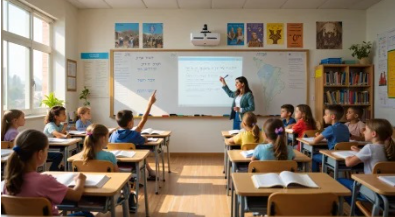
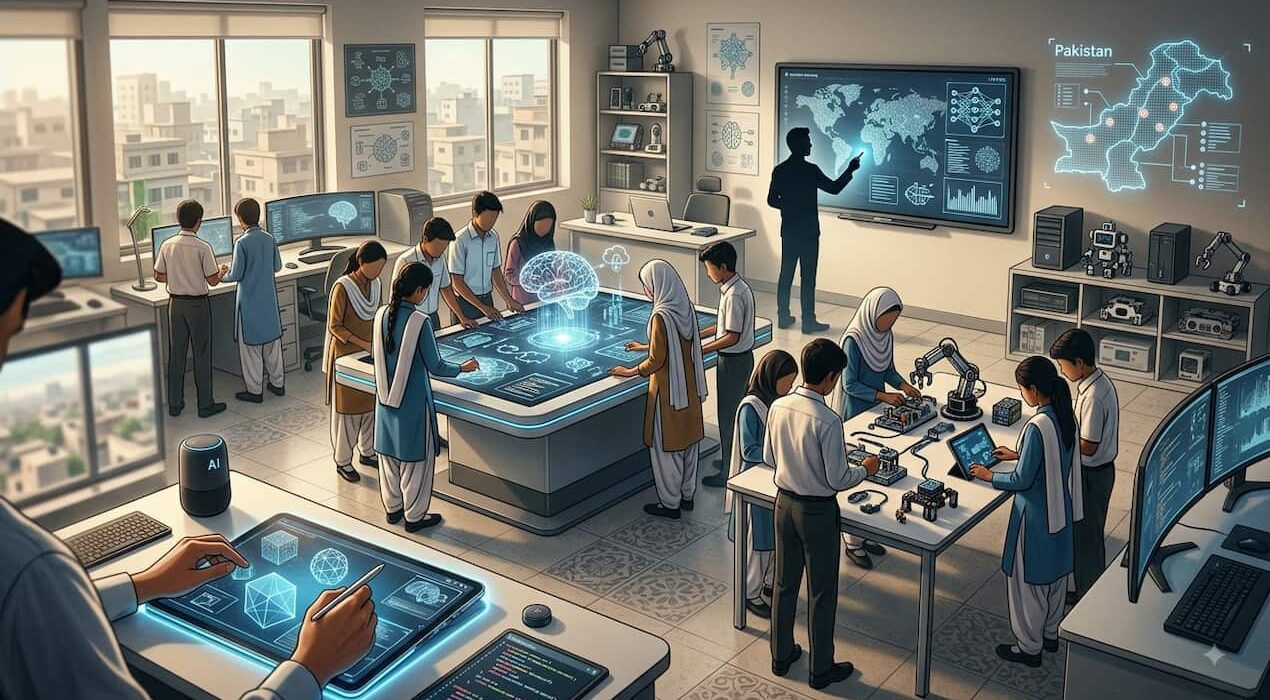
Pakistan needs a Classroom Thinking Reform to prepare students for a changing world. Many classrooms still focus on memorisation, rote learning, and exam scores. Meanwhile, global economies increasingly value creativity, technology, and problem-solving skills.
Lessons From Global Education Systems
Japan, Singapore, and Israel offer useful lessons for Pakistan. Their systems differ, but each country invests heavily in skills, teachers, and student development.
Japan performs strongly in mathematics, reading, and science. PISA 2022 placed Japanese students among the world’s top performers. More than 85% reached basic mathematics proficiency.
Singapore achieved even stronger results. Around 92% of its students reached at least Level 2 mathematics proficiency. The country also ranked first across mathematics, reading, and science.
These results show the value of clear goals and strong teacher development. They also highlight the importance of regular assessment and practical learning.
Israel offers another important example. The country spends about 6.1% of GDP on education, according to the OECD. That investment reflects a long-term focus on human capital and innovation.
Pakistan Needs Deep Classroom Change
Pakistan faces serious funding challenges. The Pakistan Economic Survey 2024-25 reported education spending at only 0.8% of GDP. UNICEF has also highlighted limited funding for infrastructure and teacher development.
However, money alone cannot solve the problem. Pakistan must also change how schools measure student success.
A student may memorise a chapter without understanding its main idea. Another learner may score well in mathematics but struggle with everyday problems.
Therefore, assessments should reward analysis, creativity, communication, and teamwork. Teachers should also encourage questions instead of demanding simple repetition.
Curriculum changes must reach classrooms. They should also connect lessons with real-world challenges and modern careers.
Pakistan does not need to copy other countries. Instead, it can adapt their strongest ideas to local needs.
A successful Classroom Thinking Reform should improve teaching, assessment, training, and curriculum together. Most importantly, schools should teach students how to think, question, create, and solve problems.
The future demands more than good marks. It demands confident learners who can apply knowledge in real life.