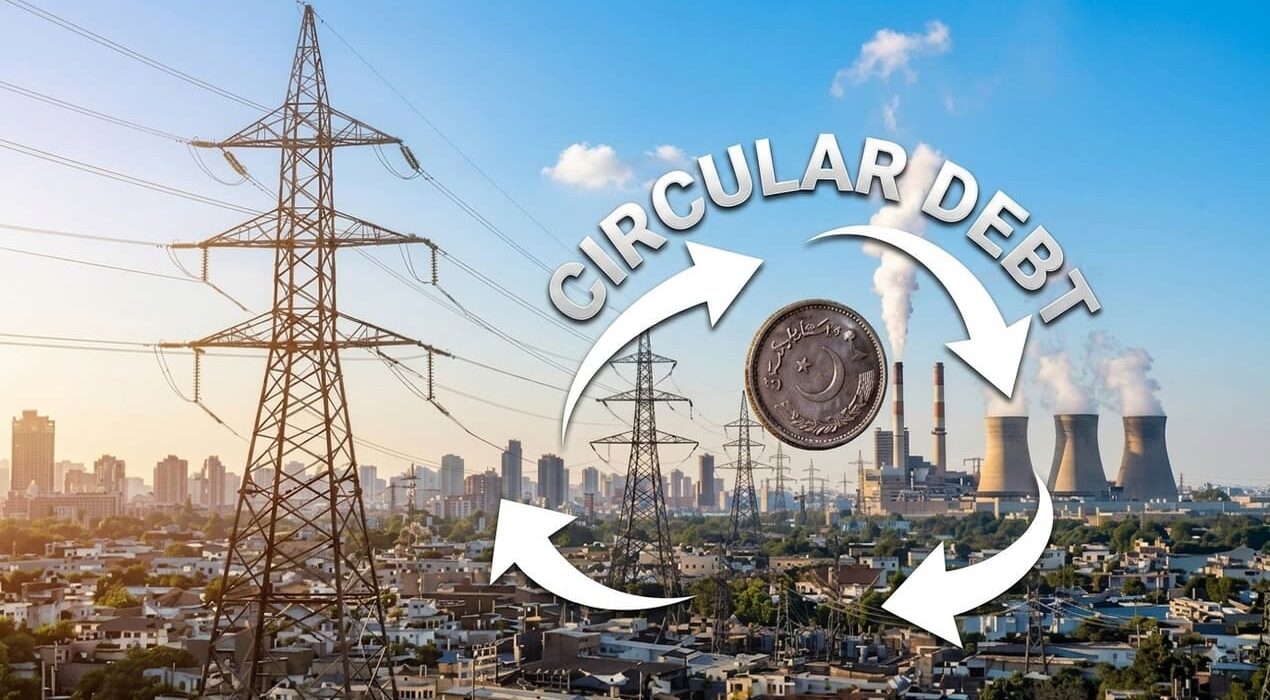
Circular Debt Surge Pakistan Power Sector Crisis Deepens
Pakistan faces a serious circular debt surge Pakistan issue. The debt jumped by Rs364 billion recently. This increase reflects deep problems in the power sector. Low recovery of electricity bills played a major role. In fact, recoveries dropped by 51% compared to last year. As a result, the financial gap widened quickly.
Causes Behind the Increase
Several factors pushed the debt higher. First, power sector inefficiency continues to hurt performance. In addition, delayed payments and disputes made matters worse. For example, K-Electric added Rs194 billion due to unpaid dues. This issue links to delays in tariff approval. Therefore, cash flow problems increased across the system. Moreover, interest charges added Rs14 billion more. The government passed these costs to consumers. As a result, honest users now face higher electricity bills.
Policy Decisions and Challenges
The government plans to privatise three power companies. These include Faisalabad, Gujranwala, and Islamabad distributors. However, this process may take longer than expected. Earlier, officials proposed bundling profitable and loss making firms. Now, they plan to sell only profitable ones. This decision may limit immediate relief for losses. Meanwhile, delays in tariff adjustments added Rs75 billion to the debt. Although the government paid Rs129 billion in loans, risks remain. Without these payments, debt could have crossed Rs600 billion.
Impact on Consumers and Future Outlook
Authorities continue reforms under IMF guidance. They promised timely tariff changes to recover costs. However, these measures increase pressure on consumers. For instance, higher tariffs and reduced subsidies affect household budgets. As a result, many people shift to solar energy. This trend reduces reliance on the national grid. In the long term, reforms may slow debt growth. However, they also change energy consumption patterns. Therefore, balancing affordability and sustainability remains a key challenge.