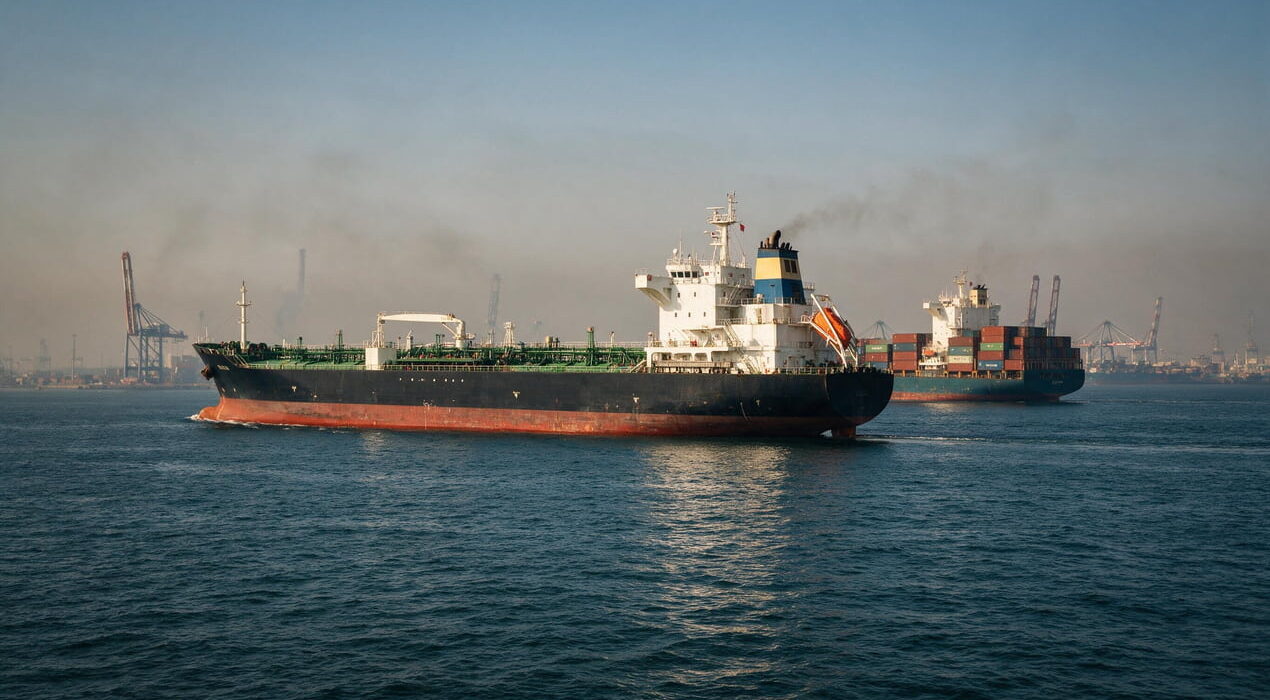
Pakistan Fuel Import Surge $1.3bn Rise Amid Hormuz Crisis
Pakistan is facing a sharp Pakistan fuel import surge due to global tensions. The Strait of Hormuz disruption has pushed energy costs higher. As a result, the country is paying more for oil and LNG. Between March and July 2026, the fuel import bill rose by about $1.3 billion. It reached nearly $7.8 billion, compared to $6.6 billion last year. Therefore, the increase is close to 20 percent.
The import bill jumped strongly in April and June. For example, it touched around $1.91 billion in June. However, costs eased slightly in July, falling to $1.28 billion. Despite this drop, the overall burden remains high. In addition, LNG imports added extra pressure. June alone included about $221 million worth of LNG.
Global Crisis Driving Energy Costs Up
The Iran war has disrupted global energy supply chains. Consequently, oil, LNG, and shipping costs have increased. Freight and insurance charges have also risen, making imports more expensive. According to global estimates, the crisis raised energy import costs by $330 billion worldwide. Europe, China, and India faced the biggest impact. Therefore, the crisis is not limited to one region.
India has seen a major jump in its oil import bill. It increased by over 56 percent to $63.4 billion. This happened even though import volumes stayed stable. Similarly, Bangladesh faced rising fuel costs. Its petroleum imports more than doubled in one year. As a result, both countries are also struggling with higher energy expenses.
Impact on Pakistan’s Economy
The Pakistan fuel import surge is putting pressure on foreign exchange reserves. It is also increasing inflation across the country. Higher fuel prices raise transport and electricity costs. In addition, industries face higher production expenses. This can slow economic growth and affect daily life. Therefore, managing energy costs has become critical.