Clean Air, Smarter Students: How Air Purifiers Boost Learning at a Fraction of the Cost
Improving student performance is never easy. Even the best education programs often cost thousands per student and bring only small gains. However, one overlooked tool might be changing that — air purifiers.
Surprising Findings from California
The idea first gained attention after a 2015 gas leak in Aliso Canyon, California. To reduce health risks, the gas company installed air purifiers in every classroom within five miles. Economist Michael Gilraine noticed an unexpected trend, test scores rose.
Students in schools with filters improved by about three months of learning in math and almost as much in English. These gains matched the famous Tennessee STAR experiment, which cut class sizes — but at more than 100 times the cost.
A Low-Cost, High-Impact Solution
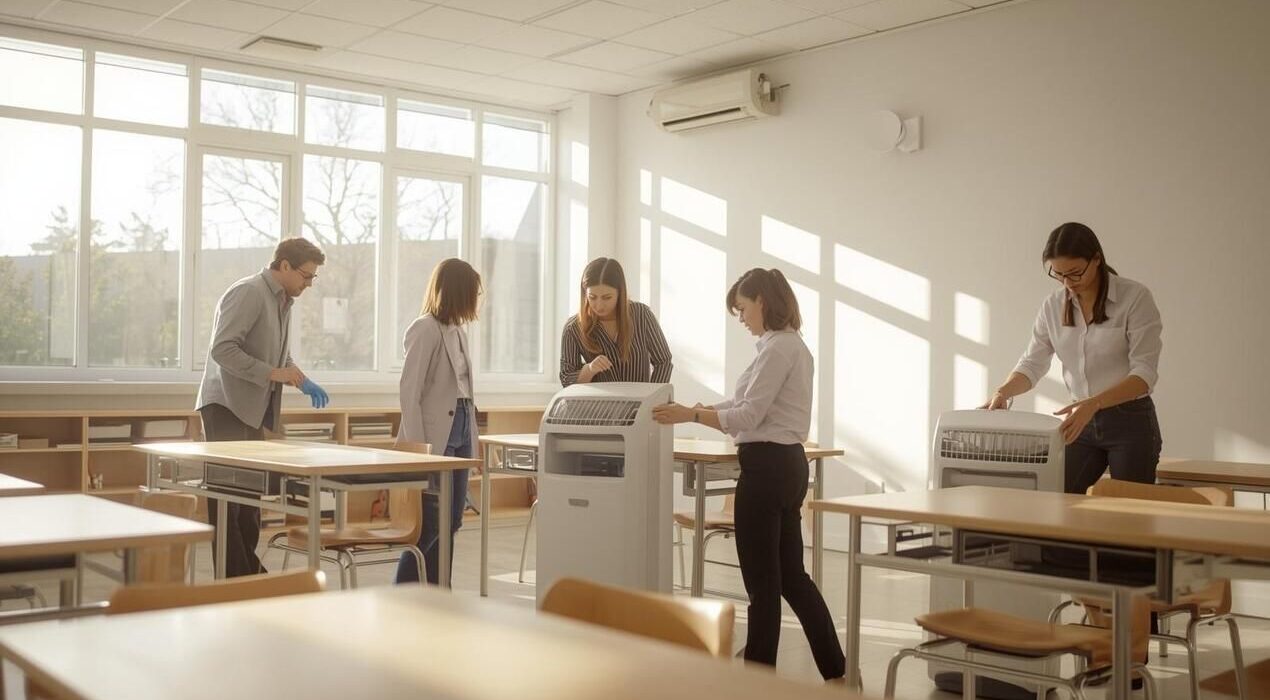
Air purifiers cost around $1,000 per classroom, or about $30 per student. Newer models are even cheaper. Research now shows they don’t just clean air — they also improve attendance and learning.
A recent study found that air purifiers reduced student absenteeism by 12.5%. In Sweden, illness-related absences dropped by more than half. Other studies show that better air quality improves focus, memory, and test performance.
Health, Equity, and Easy Implementation
Clean air benefits students’ brains and bodies. Fewer allergies and infections mean more time in school and less stress for teachers and families. Schools in low-income areas, often near pollution sources, stand to benefit most.
Unlike costly reforms, this fix is simple. Order purifiers online, plug them in, and change filters once a year. It’s a low-cost, high-reward way to help every student breathe and learn better.