Scientists Just Found a Tiny Genetic Switch That Could Feed Billions
A Breakthrough in Crop Science
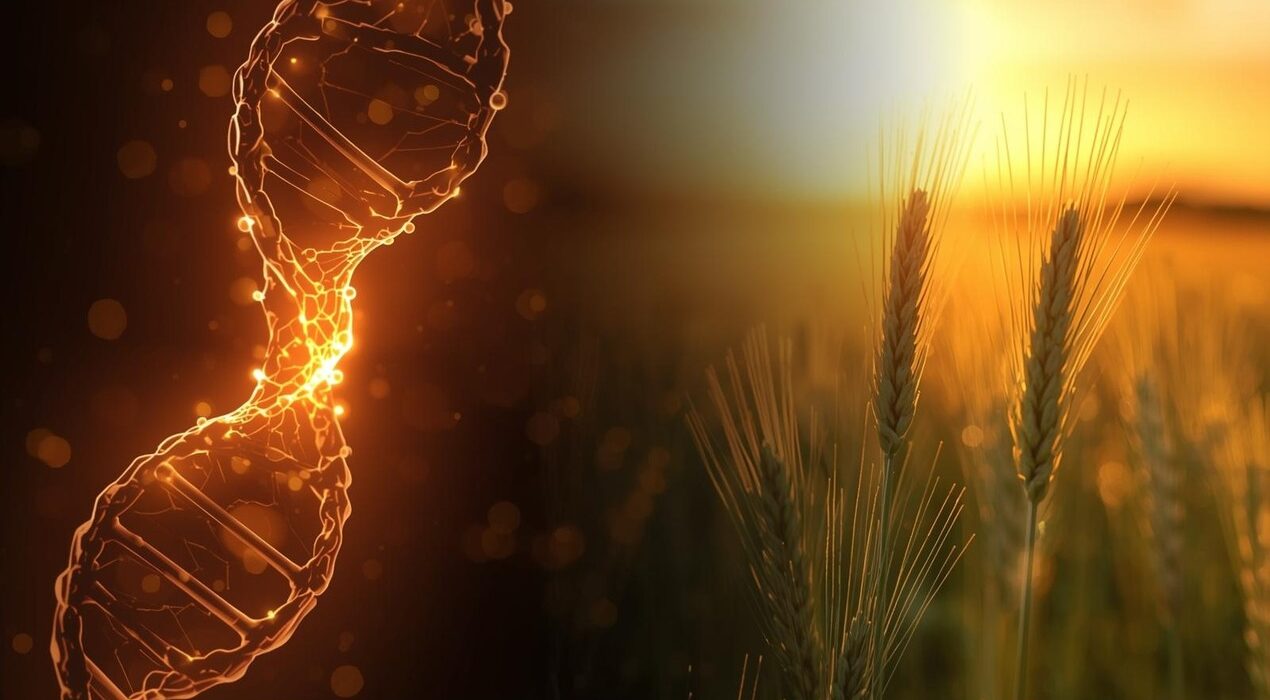
Researchers have discovered a tiny genetic switch that could change crop production forever. This tiny genetic switch activates a gene in wheat that lets one flower produce three grains instead of one. In addition, this change could help us grow more food without needing more land.
How It Works and Why It Matters
The team found a gene called WUSCHEL‑D1 (WUS-D1) becomes active early in flower development. As a result, the plant forms extra ovaries that develop into grains. For example, a standard wheat flour has one grain, but this variant produces three.
They also explained that this method could boost yield without expanding farmland or increasing fertilizer use. Therefore, this approach may offer a sustainable way to improve food security in a changing climate.
What It Means for Us
If breeders adopt this tiny genetic switch in crops, we could see more productive fields globally. This shift could benefit farmers, communities and consumers alike. In addition, it may help address hunger and resource limits in many regions.
However, the process is still under research. Scientists will need to test how the switch works in real-world conditions and in different crop types. Furthermore, they must ensure safety, sustainability and public trust before wide adoption.
What You Can Take Away
This discovery reminds us that even small changes at the genetic level can have huge impacts. It invites us to get involved—ask about crop science, support sustainable agriculture and understand how food is grown. As a result, we all become part of the future of farming and feeding billions of people.