Baby Formula May Contain Heat-Resistant Bacteria, Study Warns
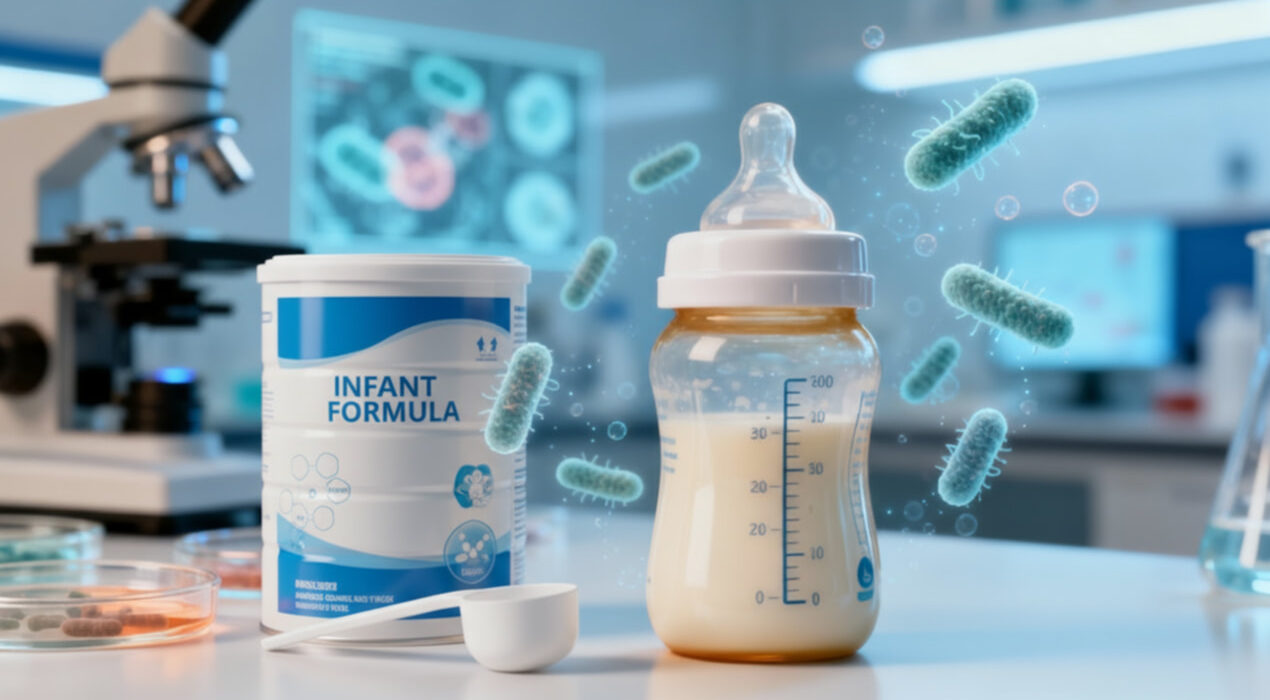
Baby formula is trusted by millions of parents worldwide. However, new research published in the Journal of Applied Microbiology reveals that powdered infant formula (PIF) can still harbor heat-resistant bacteria, even when prepared correctly. This finding highlights the need for greater awareness and improved preparation practices.
Why Preparation Methods Matter
The way parents prepare formula can influence a baby’s gut health. The gut microbiome helps build immunity and supports digestion. Formula-fed infants often develop a different microbiome compared to breastfed babies. In some cases, exposure to bacteria like Bacillus cereus may cause mild digestive issues, though severe infections are rare.
Contamination can occur during manufacturing, where bacteria such as Listeria or Clostridium may survive pasteurization. Even though safety testing is mandatory, some batches still show microbial growth. Therefore, following strict hygiene and preparation methods is vital to reduce risks.
Health agencies like the WHO and NHS recommend using freshly boiled water at around 70°C for formula preparation. However, only a portion of parents follow this guidance. Many use previously boiled or cooled water, and most home formula machines do not reach the proper temperature. As a result, bacteria may survive in prepared formula.
What the Study Found
Researchers examined 21 formula brands in the UK using different preparation methods. Almost all samples made with preparation machines contained bacteria. Even sterile water passed through these devices showed contamination, likely from internal filters.
Some bacteria, including B. cereus, survived heating even at 100°C. While infection risk is still low, experts believe public health guidelines should be updated. Parents can minimize risk by cleaning bottles and machines regularly and using hot water to prepare formula.