World Pneumonia Day: Prevention, Treatment, and Saving Lives
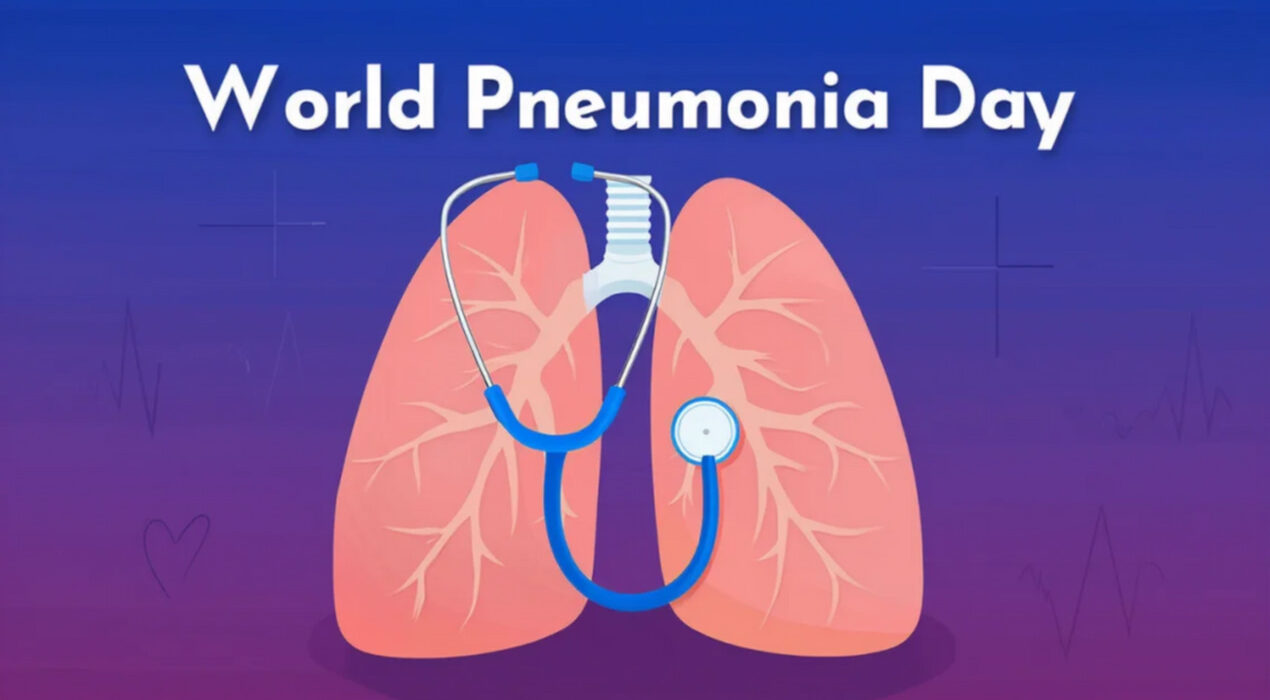
Pneumonia continues to be one of the deadliest infectious diseases worldwide. It claims more lives of children under five than any other infection. Older adults and people with chronic illnesses are also at high risk, especially in low- and middle-income countries. Tackling pneumonia requires stronger health systems so preventive measures reach everyone. Rapid diagnosis and proper treatment, including antibiotics and medical oxygen, are essential. The good news is that we already know what works. Urgent action can save lives and ensure that every breath counts.
Prevention and Primary Care
Preventing pneumonia starts with vaccines. Children should receive vaccines for Haemophilus influenzae type b (Hib), pneumococcus, measles, and pertussis. Exclusive breastfeeding for the first six months strengthens immunity. Proper nutrition and reducing exposure to tobacco smoke and indoor air pollution also help. In addition, primary health care must be strengthened. Health workers need training and tools to detect pneumonia early and manage it effectively. Quick treatment can prevent severe complications and save lives.
Equity, Accountability, and Oxygen Access
Equity ensures that all communities have access to care. Monitoring progress helps identify gaps in vaccines, oxygen, and treatment availability. Pneumonia control should be integrated into broader child-health, ageing, and environmental health programs. Access to medical oxygen is critical, particularly in low-resource settings. Every health facility should have reliable oxygen, pulse oximeters, and trained staff to use them safely. By combining prevention, strong health systems, and equitable care, we can reduce pneumonia deaths and protect the most vulnerable.