ADB Aqua Alert: Pakistan Nears Deep Water Crisis Without Urgent Action
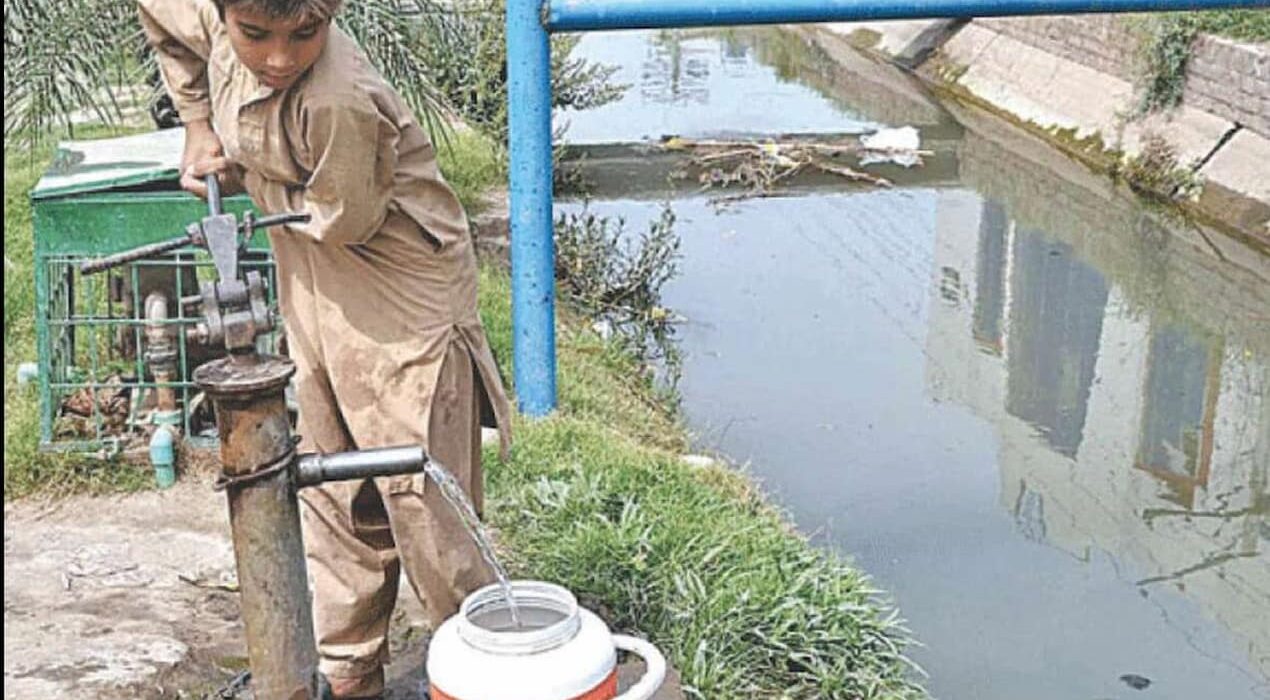
Nearly 80 percent of Pakistan’s population lacks access to safe drinking water, warns the Asian Development Bank. This ADB aqua alert signals a worsening national water crisis. Without urgent reforms, water insecurity will continue to damage health and livelihoods.
The ADB estimates Pakistan will need $35–42 billion over the next decade to improve water systems. Therefore, weak infrastructure and limited institutional capacity now threaten daily life. Rapid population growth has sharply reduced water available per person.
Per-capita water availability has fallen by 2,400 cubic metres since 1972. By 2030, it may drop to just 1,100 cubic metres. As a result, waterborne diseases continue to rise across communities.
Rural and Urban Systems Under Strain
Most Pakistanis live in rural areas; however, rural water services remain ineffective. Authorities rarely monitor supplies, while policies fail to reflect real demand. In addition, agriculture, industry, and energy sectors all struggle because of water shortages.
Cities face growing pressure as well. Urban water demand rises by nearly 10 percent each year. Meanwhile, untreated wastewater, flooding, and aging pipes weaken public health systems.
Pakistan also lacks sufficient water storage capacity. Its canal network performs poorly and needs urgent repair. Excessive agricultural water use further drains groundwater and spreads contamination.
Outdated irrigation methods and reverse water flows now threaten river systems. Consequently, environmental risks continue to grow nationwide
Funding Gaps and Urgent Solutions
Pakistan has strengthened its water governance framework over time. However, funding remains far below actual needs. High water losses and weak billing reduce revenue in cities.
Urban water utilities also attract limited private investment. As cities expand, untreated discharges place further pressure on ecosystems.
The ADB urges large-scale storage projects, stronger institutions, and skilled partnerships. Based on current rates, reforms could cost up to Rs12 trillion. While water security has slightly improved, swift and inclusive action remains critical.