Aldi $4 Almond Butter Challenges US Supermarkets Growth
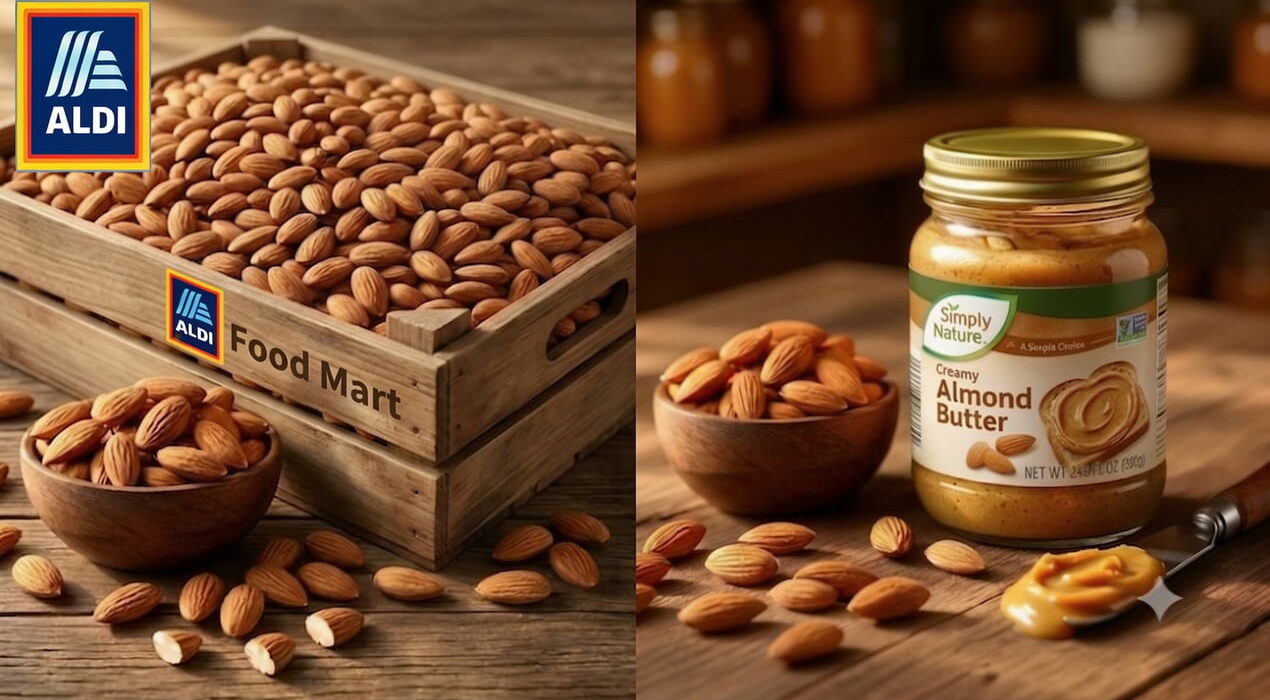
The Aldi $4 almond butter is changing how people shop in the US. Many customers now notice huge price differences. For example, Mary Porter visited a new Manhattan store. She found almond butter for $4 instead of $22 nearby. As a result, she felt surprised and excited. She also praised Aldi’s low prices and good quality. In addition, her basket included fresh fruits and vegetables.
Hidden Store, Busy Inside
The store sits under a luxury building called The Ellery. However, many people miss it at first glance. The building promotes expensive stores instead. Inside, the atmosphere feels very different. Shoppers move quickly through tight aisles with full baskets. Therefore, the store stays lively even during weekdays.
Aldi is expanding fast across the United States. The company plans to invest $9 billion in growth. It aims to open 800 new stores soon.
Moreover, Aldi targets busy urban areas like Manhattan. This strategy marks a shift from its suburban focus. The brand entered the US market in 1976. Since then, it has grown to nearly 2,800 locations. As a result, its reach continues to expand.
Strategy Focuses on Value
Aldi follows a simple and efficient business model. It offers fewer products but keeps prices low. Therefore, customers save money on daily essentials. Experts say this lean approach works well. Aldi attracts middle and higher-income shoppers too. Many households now look for better value due to rising costs.
Although Walmart dominates the market, Aldi stays competitive. It focuses on efficiency instead of size. As a result, it continues to grow steadily. Urban locations also bring challenges. High rents and transport issues increase costs. However, Aldi manages logistics carefully with nightly deliveries.
Global Success Supports Growth
Aldi has already proven success in Europe and the UK. It gained popularity by offering quality products at low prices. As a result, traditional supermarkets lost customers over time. Today, Aldi holds a strong position in many markets. In the US, it still has a smaller share. However, its steady growth shows strong potential for the future.